New & Now
Sumo Museum “Kehaya-za” (Katsuragi City) — Visitor Guide
What is Sumo Museum “Kehaya-za”?
Katsuragi City Sumo Museum “Kehaya-za” opened in May 1990 to preserve traditions related to Taima no Kehaya, who is regarded in local tradition as the founder of sumo, to promote sumo as Japan’s national sport, and to collect sumo-related materials.
Sumo museums are rare in Japan, and in the Kansai region this museum is unique, welcoming everyone from sumo fans to researchers. With the recent increase in inbound tourism, many international visitors have also come to experience sumo firsthand.
The origins of sumo: Taima no Kehaya and Nomi no Sukune
Japan’s oldest historical chronicle, the Nihon Shoki (compiled in the Nara period), records that during the reign of Emperor Suinin (the 11th emperor), a test of strength took place between Taima no Kehaya and Nomi no Sukune.
According to the account, Taima no Kehaya of Taima in Yamato Province was famed for extraordinary strength and often boasted that no one could match him. After hearing this, the emperor asked his retainers if anyone could compete with him. A retainer recommended Nomi no Sukune from Izumo Province. The emperor agreed, and the two were summoned to face each other on the seventh day of the seventh month in the seventh year of Emperor Suinin’s reign.
The two fought for a long time, kicking at each other, but Taima no Kehaya was ultimately defeated and lost his life. As a reward, Nomi no Sukune was granted Taima no Kehaya’s land. This contest is said to be Japan’s oldest sumo bout held before the Emperor and the origin of sumo as the national sport.
Taima no Kehaya Mound
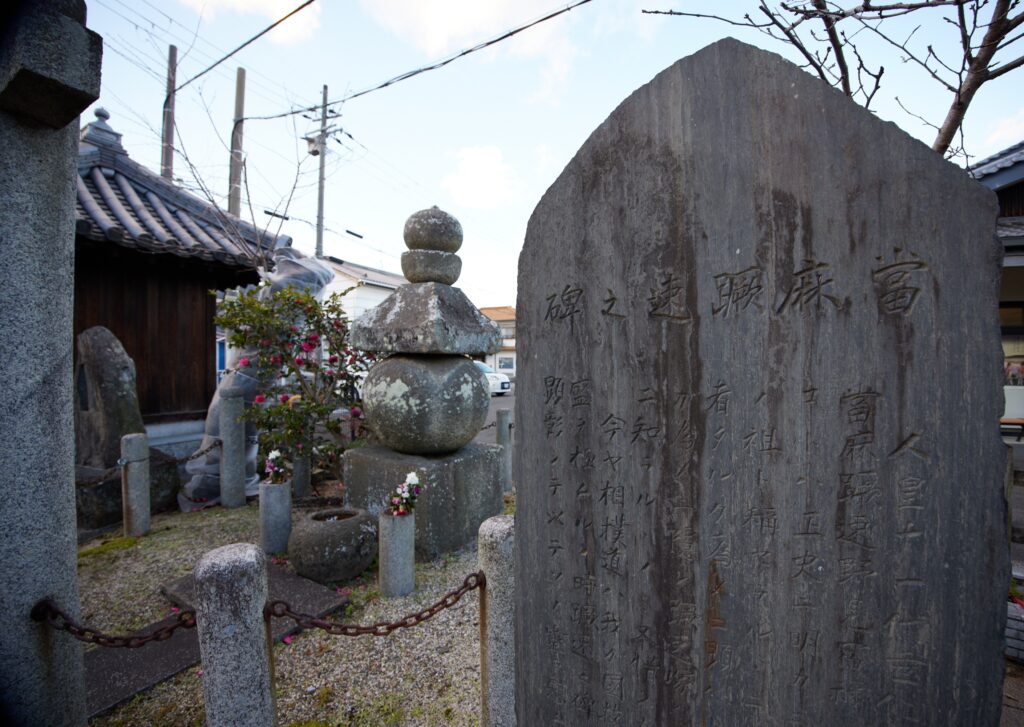
Next to the museum stands a five-ring stone pagoda known as the “Taima no Kehaya Mound.” It is said to have been built in the Kamakura period in memory of Taima no Kehaya and has been carefully preserved by the local community.
Every July, a memorial service called the “Kehaya Memorial Service” is held on the anniversary of his death. After the service, a “Wanpaku Sumo Tournament” takes place, featuring spirited matches by local elementary school students.
What you can do at the museum
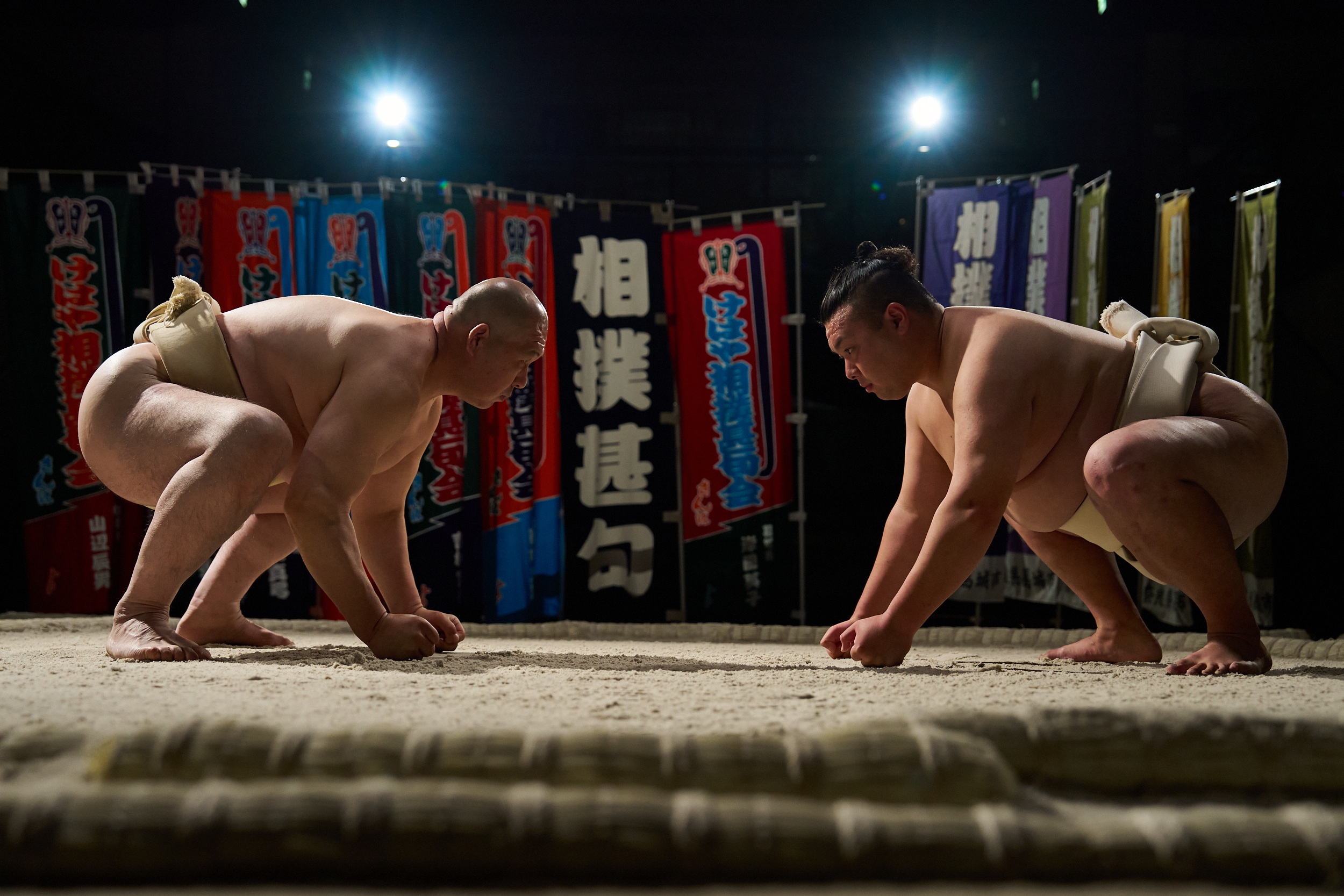
See the dohyo up close
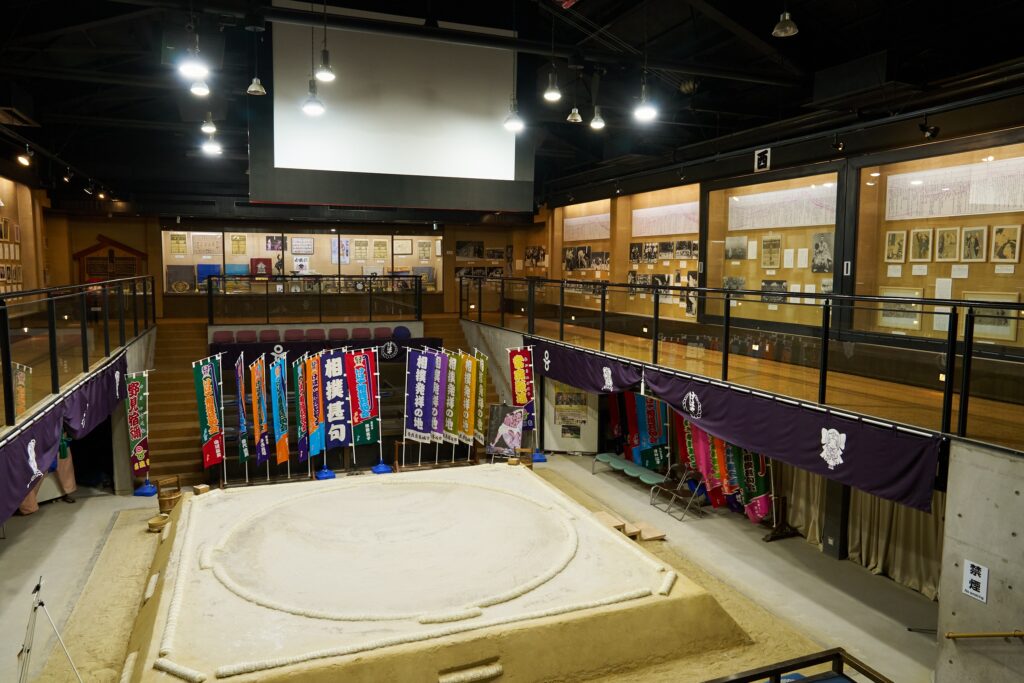
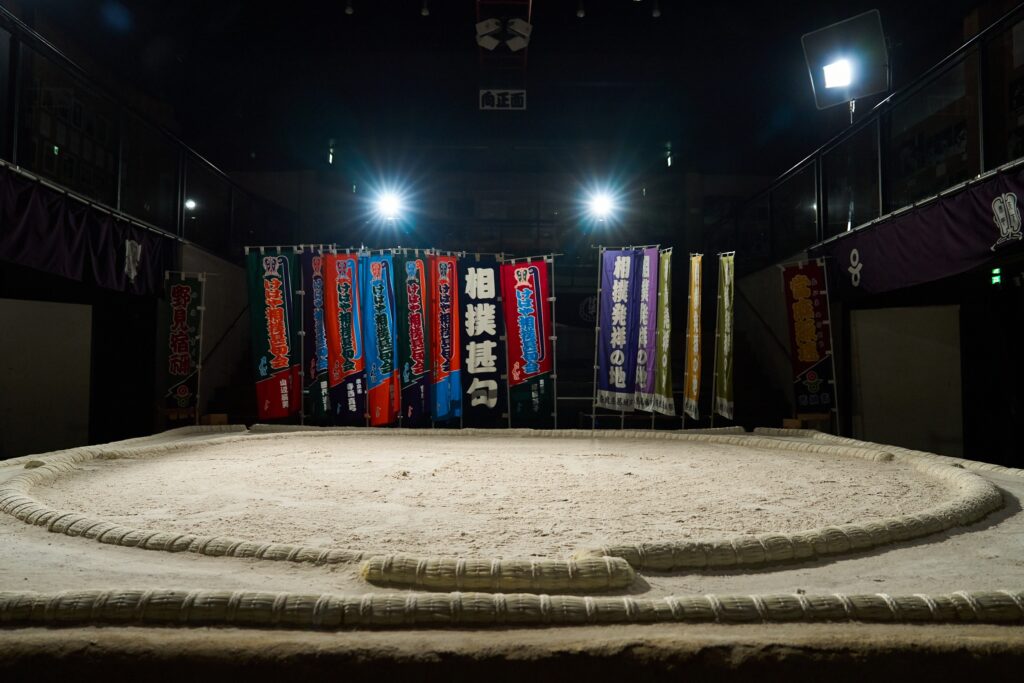
The dohyo (sumo ring) in the center of the first floor is built to the same size as the ring used in official tournaments. Because it is an exhibition dohyo, anyone—children and adults alike—can step onto it to feel its scale and try shio-maki (the traditional salt-throwing ritual). There are also masu box seats at the front and opposite side, offering the atmosphere of a grand sumo tournament.
_sizedown-1024x683.jpg)
Listen to Sumo Jinku
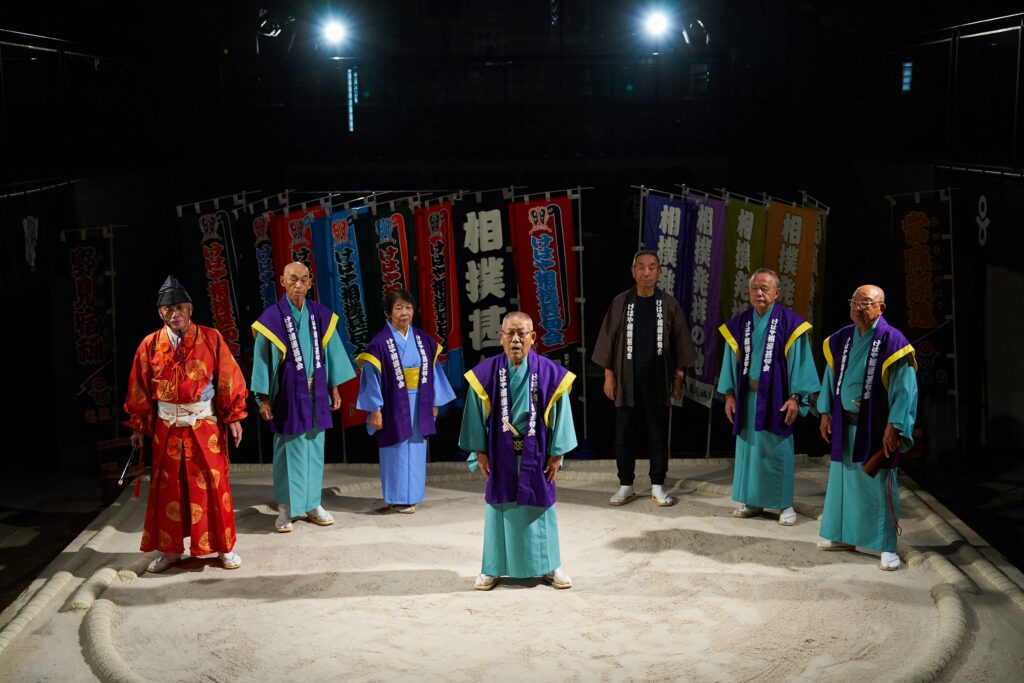
Sumo jinku is a traditional folk song performed by sumo wrestlers at events such as regional tours, characterized by the call-and-response “Dosukoi, hoi.” At the museum, the “Kehaya Sumo Jinku Association” holds open practice sessions on the first Sunday and the second Thursday of each month, and performs for visitors.
Try sumo
On the museum’s dohyo, you can try sumo while wearing a mawashi (sumo belt) or character costumes, to get a feel for being a wrestler (inquiries required).
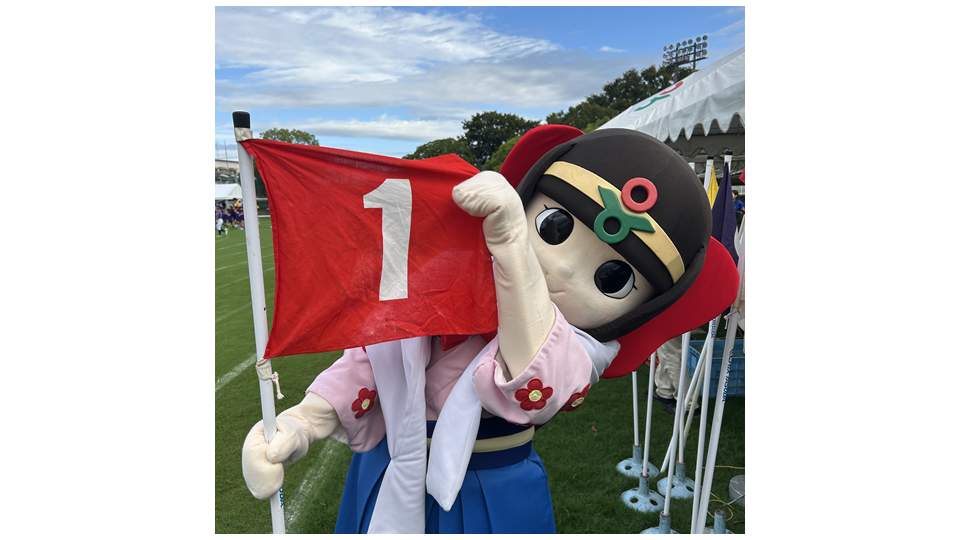
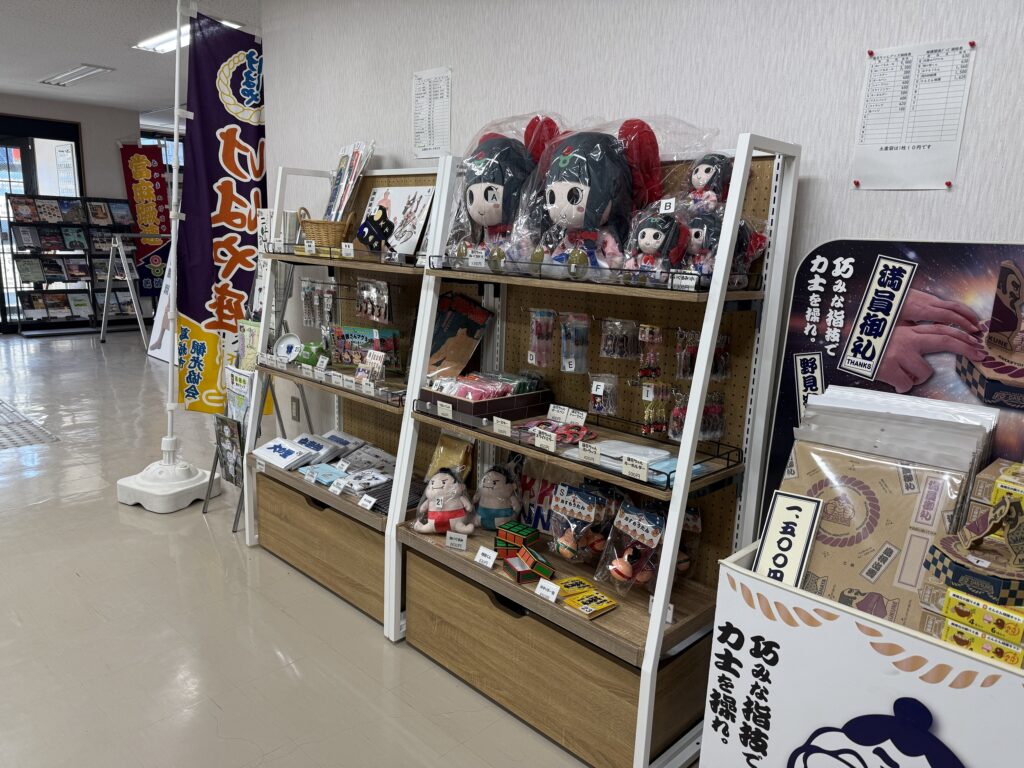
There is also a shop selling Grand Sumo goods and items featuring Katsuragi City’s mascot character, Renka-chan, which are popular as souvenirs.
Learn about sumo history
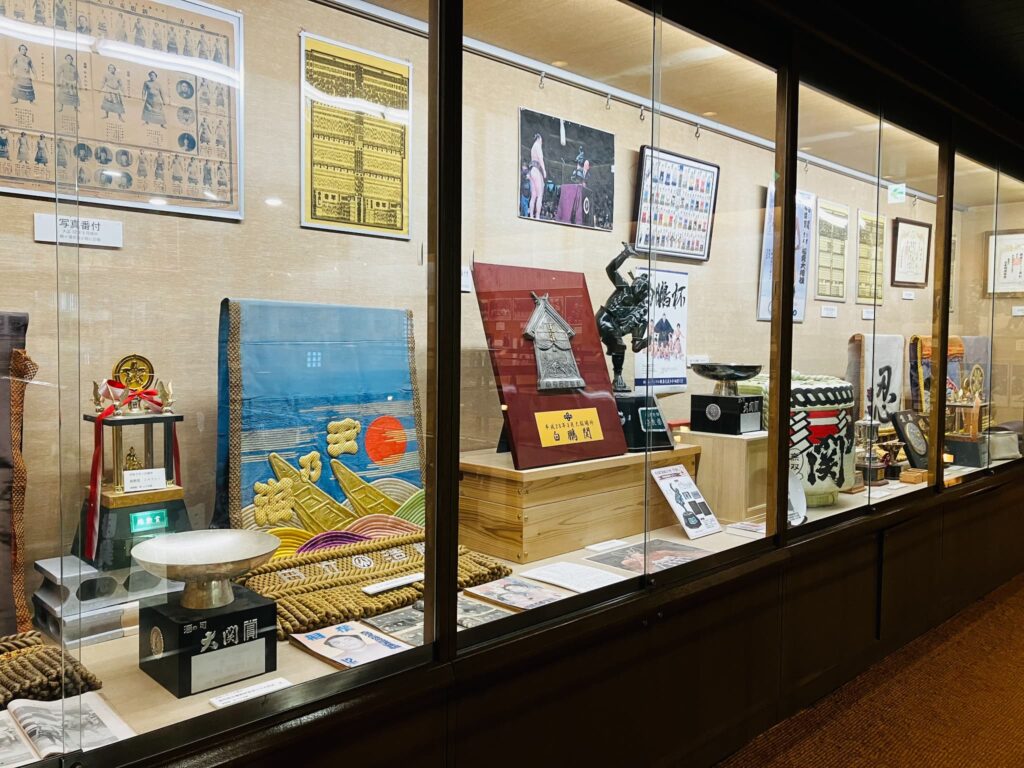
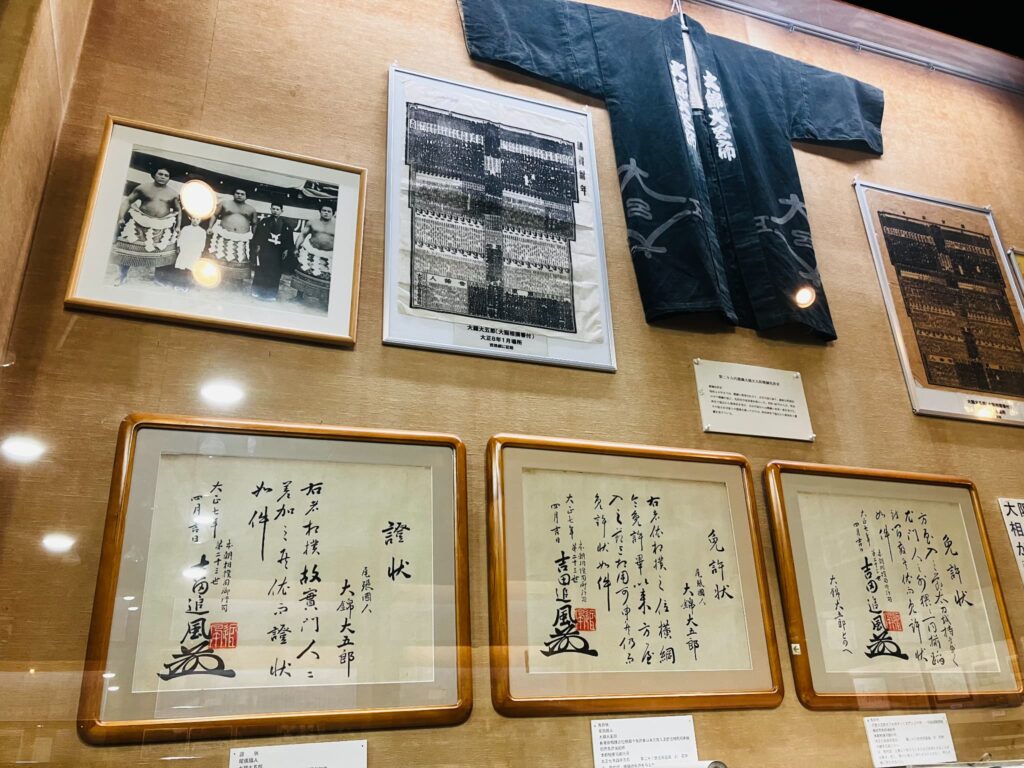
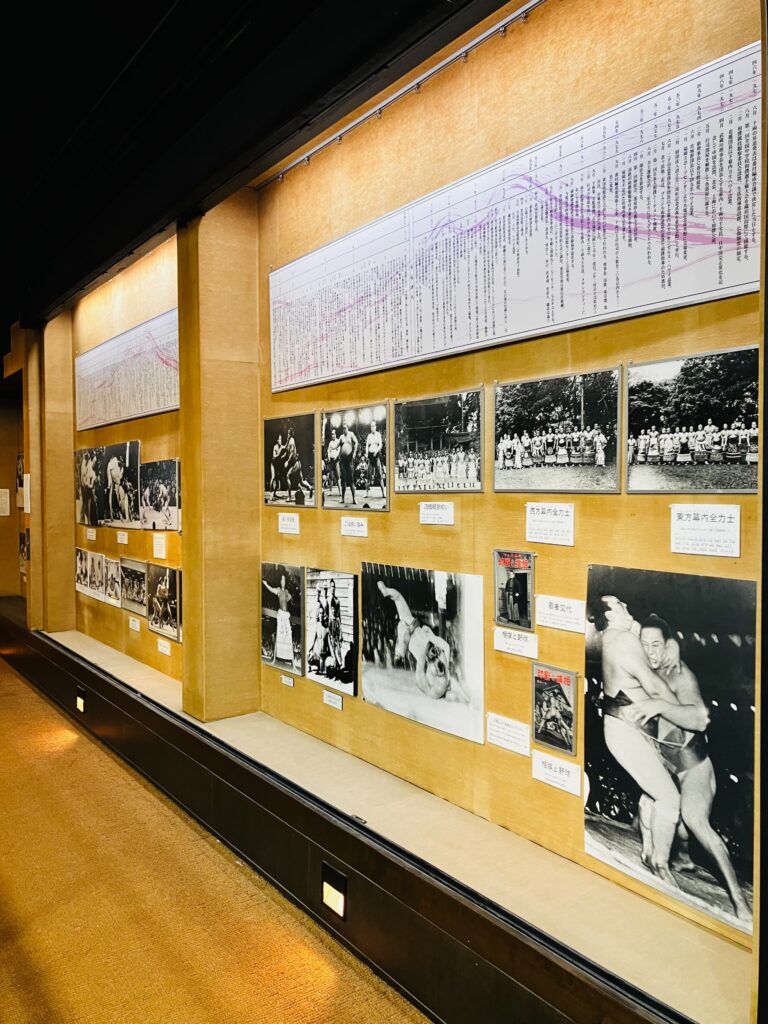
On the second floor, the museum exhibits a chronological history of sumo, materials on local wrestlers, and many other sumo-related resources. The collection includes more than 13,000 items, and limited-time special exhibitions are also held. Tablet devices are available for loan to help explain sumo techniques and materials in greater depth.
Visitor Information
Opening hours: 10:00 a.m. – 5:00 p.m.
Closed: Tuesdays and Wednesdays (open on public holidays), and during the year-end/New Year period
Admission
- Ages 16 and over: 300 yen
- Elementary & junior high school students: 150 yen
- Preschool children: Free
Group discount
- Ages 16 and over: 250 yen
- Elementary & junior high school students: 120 yen
- Preschool children: Free
Visitors presenting a disability certificate or rehabilitation handbook are admitted free. One caregiver is also admitted free.
If you use the municipal Taima Tourist Parking Lot, the parking fee is half-price with museum admission.
Access
- About a 5-minute walk from Taimadera Station (Kintetsu Minami-Osaka Line)
- Parking available
Contact
Katsuragi City Sumo Museum “Kehaya-za” (closed Tuesdays and Wednesdays; open on public holidays)
Address: 83-1 Taima, Katsuragi City
Tel: 0745-48-4611
HOME » New & Now » Sumo Museum “Kehaya-za” (Katsuragi City) — Visitor Guide