What Is the Uraga Brick Dock? – Japan’s Only Surviving Brick Dry Dock in Uraga, Yokosuka
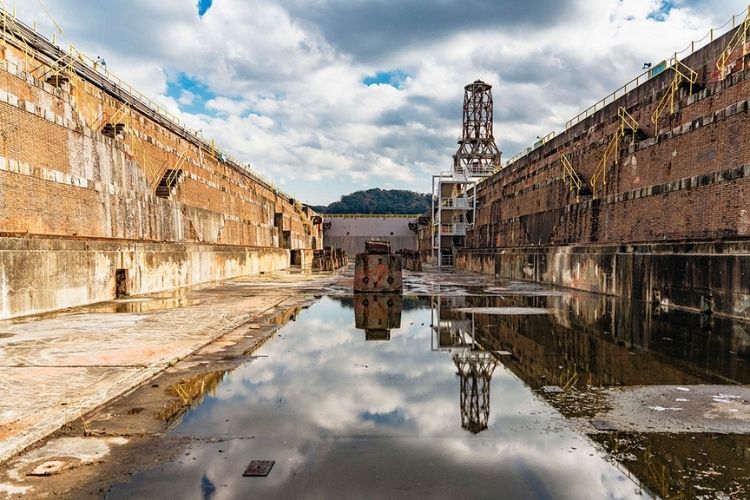
When you exit Uraga Station and head downhill, you’ll spot the vast remains of a former shipyard—massive structures and cranes (some partially dismantled) stretching across the waterfront. This area is the former Uraga Works of Sumitomo Heavy Industries, a place that supported shipbuilding for more than a century.
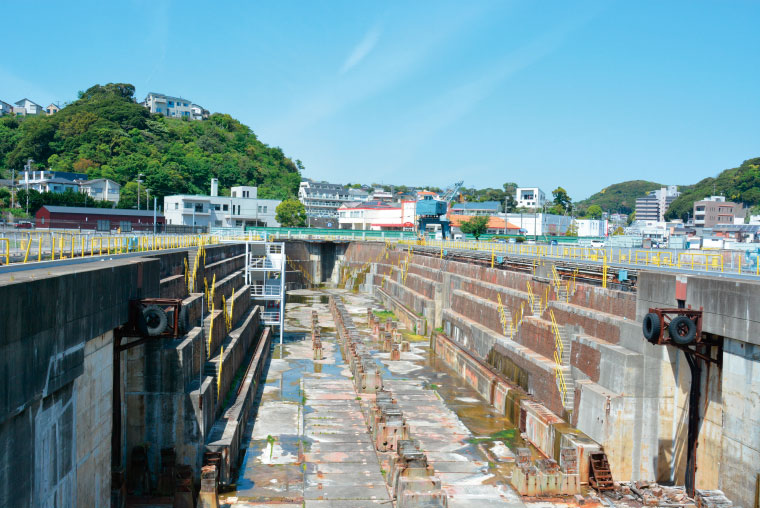
At the heart of the site is the Uraga Brick Dock (浦賀レンガドック) — also known as the Uraga Dock—completed in 1899 (Meiji 32). Until the yard closed in 2003 (Heisei 15), it supported the construction and repair of more than 1,000 vessels. The Uraga Brick Dock is regarded as the only surviving brick-built dry dock in Japan, and is recognized as a valuable industrial heritage site.
Note: The dock is not open to the public on a daily basis. Visits are offered on designated dates through limited guided tours.
Highlights of the Uraga Brick Dock
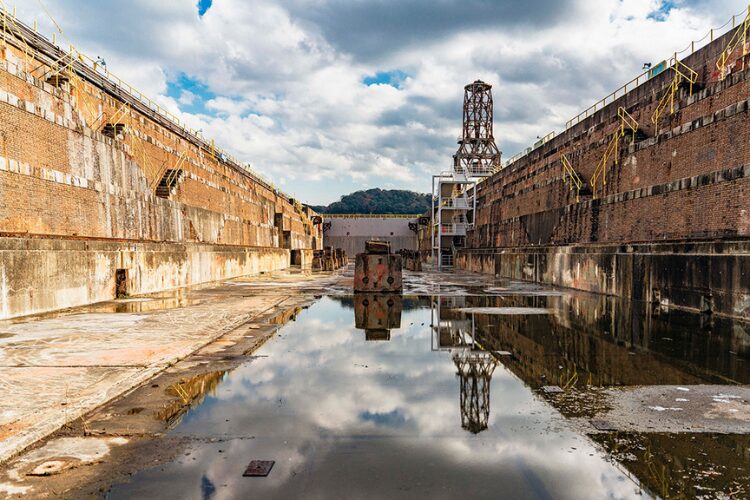
A Rare Brick Dry Dock Still Standing Today
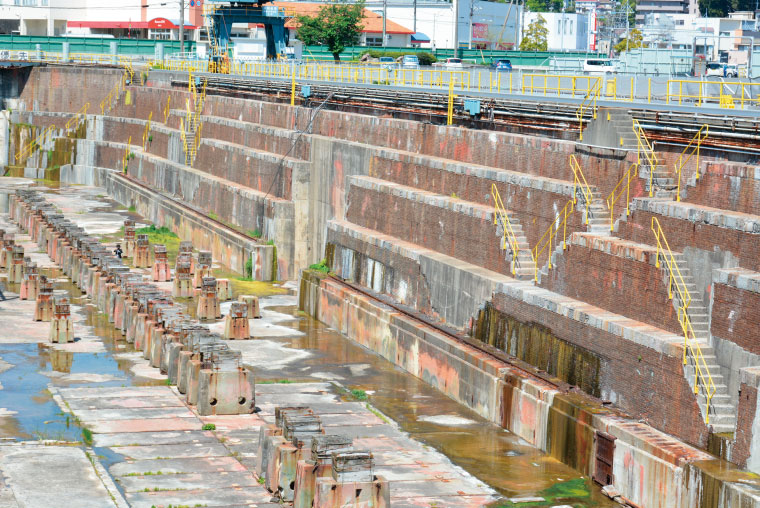
What makes the Uraga Brick Dock remarkable is that a brick-built dry dock constructed in the Meiji era has survived to the present day. Surviving examples of brick dry docks are extremely limited in Japan, which is why the site is valued as a rare piece of the nation’s industrial history.
A Landmark That Still Feels Like a Shipyard
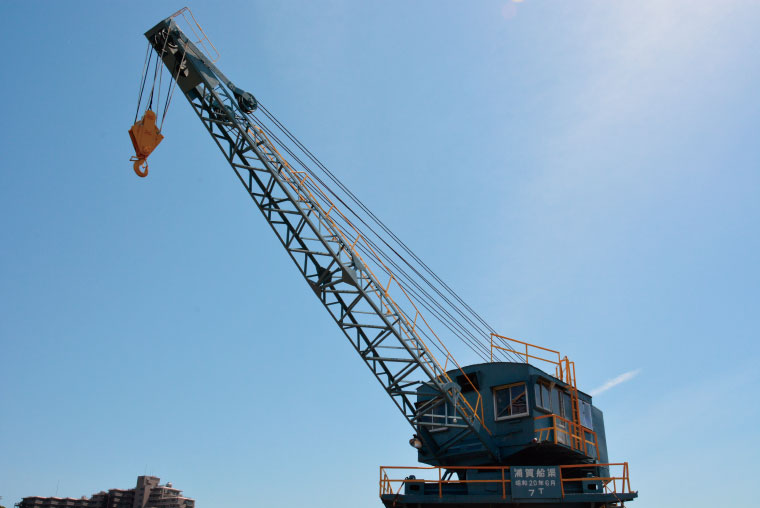
Beyond the dock itself, the surrounding area still includes remnants that evoke the shipyard in its working years. One notable example is a surviving dockside crane,, a striking reminder of the industrial landscape of the time.
Uraga: A Shipbuilding Town with Deep Roots
Uraga is often described as a “gateway to the sea,” but it also has deep ties to shipbuilding. Near the mouth of the Nagakawa River (now largely covered and turned into an underground channel), local tradition connects the area to the construction of Ho-o Maru—a Western-style sailing ship often cited as an early milestone in Japan’s modern shipbuilding history, with key contributions associated with Saburosuke Nakajima, a retainer of the Uraga Magistrate’s Office.
The Kanrin Maru, known for its historic Pacific voyage, is also said to have been repaired in this vicinity before departure. Together, these stories have long been passed down as part of Uraga’s role in the origins of modern shipbuilding in Japan.
In later years, shipbuilding in Uraga became formally organized as a company enterprise. Historical materials describe the business as founded in 1896 (Meiji 29) and formally registered in 1897 (Meiji 30). Then, in 1899 (Meiji 32), the brick dry dock was completed, and the site operated for many years as a base for ship construction and repairs.
Until the shipyard closed in 2003 (Heisei 15), a wide range of vessels—such as the training ships Nippon Maru and Kaio Maru, Seikan ferries, and Japan Maritime Self-Defense Force escort ships—were built here, and the surrounding town was shaped by the people who worked at the yard.
How to Visit (Guided Tour Information)

The Uraga Brick Dock is not open to the public at all times. Visits are available through limited guided tours held on designated dates.
For tour dates and how to apply, please check the official website of the NPO Yokosuka City Guide Association.
Tour inquiries / applications
NPO Yokosuka City Guide Association (Office)
TEL: 046-822-8256
FAX: 046-827-1682
Tour status on the day (held / canceled)
You can also confirm via the Yokosuka Calendar or the Yokosuka City Call Center.
Call Center: 046-822-2500 (7:15–20:00)
Summary
The Uraga Brick Dock is a rare industrial heritage site where a Meiji-era brick-built dry dock still remains today. Because visits are limited to designated public-opening dates and guided tours, please check the latest information on availability and application details before you go.
Access
The site is located in the Uraga area (around Uraga Station).
(Tour meeting point) Uraga Dock Main Gate
Address: Uraga 4-7, Yokosuka
Approx. 10 minutes on foot from Keikyu Line Uraga Station (estimate).
Travel time may vary depending on your route and walking pace.
Before visiting, please confirm the latest guidance regarding tour dates, accessible areas, and meeting locations.
Reference Information: Uraga Brick Dock Overview
Official listing name: Uraga Dock (Sumitomo Heavy Industries Former Uraga Factory Dock No. 1)
Site area: 27,789.7 m²
Zoning: Industrial
Building coverage / Floor-area ratio: 60 / 200
District designations: Port district (industrial port zone) / Type II height district (20 m limit) / Outside urban function inducement area / Outside residential inducement area
Port plan: Industrial land
Coastline (revetment / quay walls, etc.):
- Steel sheet-pile vertical revetment: 113 m (completed 1984)
- Cast-in-place concrete gravity quay wall: 60 m (completed 1945)
- Cast-in-place concrete gravity quay wall: 50 m (completed 1955)
- Slope
Main facilities:
- Two restroom facilities / drainage pump facility
- Brick Dock Utilization Center (193.77 m²)
- Hammerhead crane (7 t)
Donation date: March 26, 2021
Construction History
Groundbreaking ceremony: Feb. 24, 1897 (Meiji 30)
Completion: Nov. 26, 1899 (Meiji 32)
Dimensions
Shaku is a traditional Japanese unit of length (1 shaku ≈ 0.303 m).
At the time of opening:
- Length (bottom): 450 shaku (136.35 m)
- Width (lower opening): 59 shaku (17.88 m)
- Depth (center of bottom): 29.7 shaku (9 m)
Current:
- Length (bottom): 180.3 m
- Width (lower opening): 25.7 m
- Depth (center of bottom): 10.9 m
Materials
Construction materials:
- Dock walls / dock bottom: brick
- Stairs / connecting passages / bottom paving stones: cut andesite (Shin-Komatsu stone)
Brick manufacturer: Nezaki Brick Partnership (Anjo, Aichi; currently operating as Okada Brick Works)
Brick bond: French bond
Examples of Ships Built Here
Pre-war: Destroyer Nagatsuki, and others
Post-war: Seikan ferry Towada Maru, and others / escort ships such as Harusame, Hatsuyuki, Takanami, and others / training ship Nippon Maru
Discover More in Yokosuka
Yokosuka’s Culinary Delights