New & Now
Exhibition on Sumo Wrestlers from Nara Prefecture Now Open at Katsuragi City Sumo Museum “Kehaya-za”
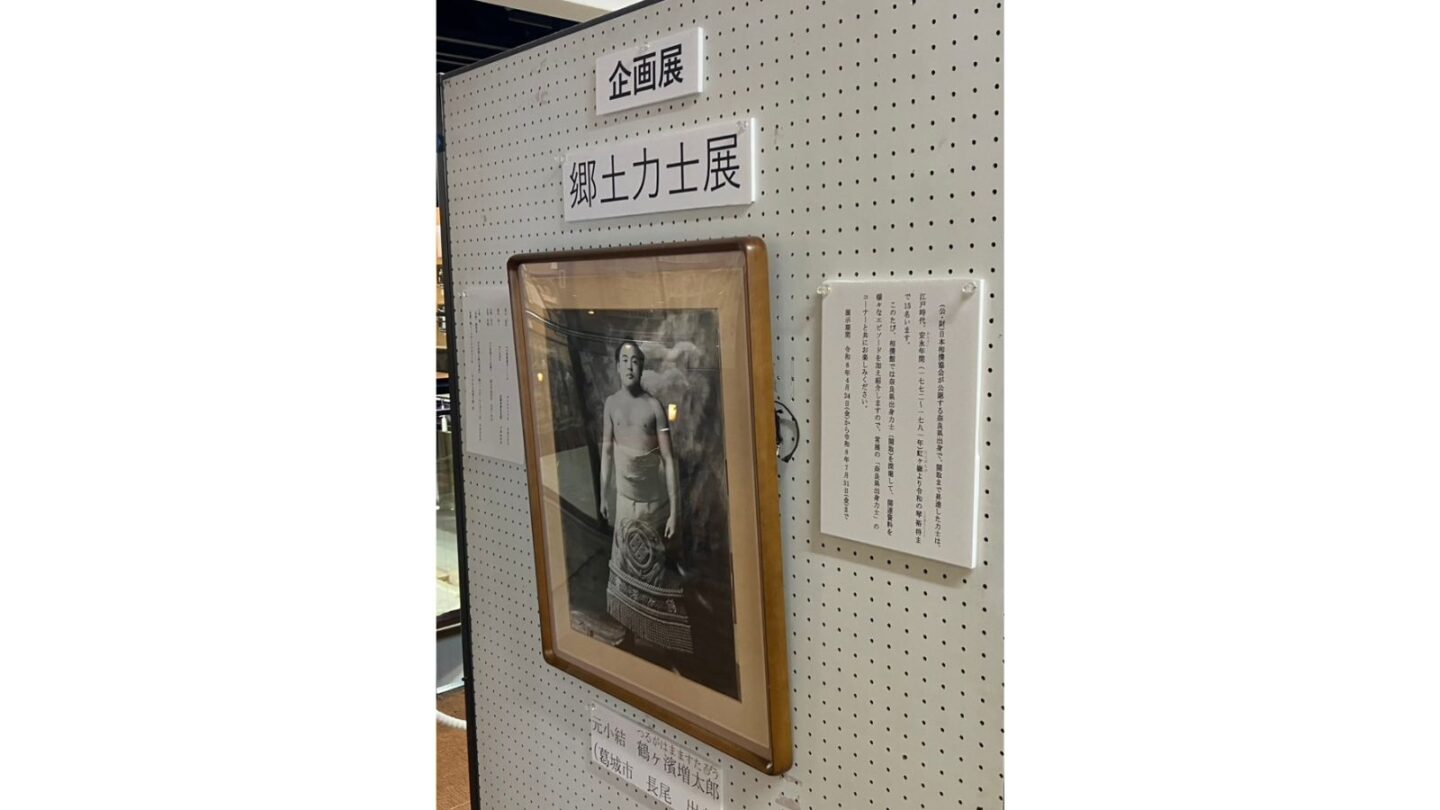
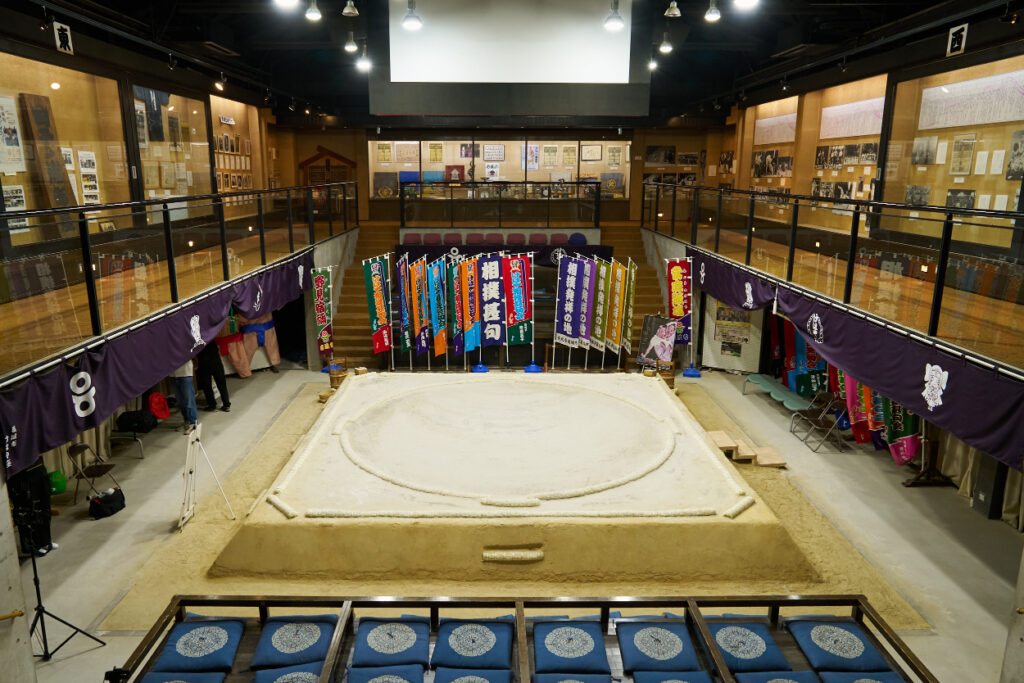
The special exhibition “Local Sumo Wrestlers Exhibition,” which introduces sumo wrestlers from Nara Prefecture, is being held at Katsuragi City Sumo Museum “Kehaya-za” until Friday, July 31, 2026.
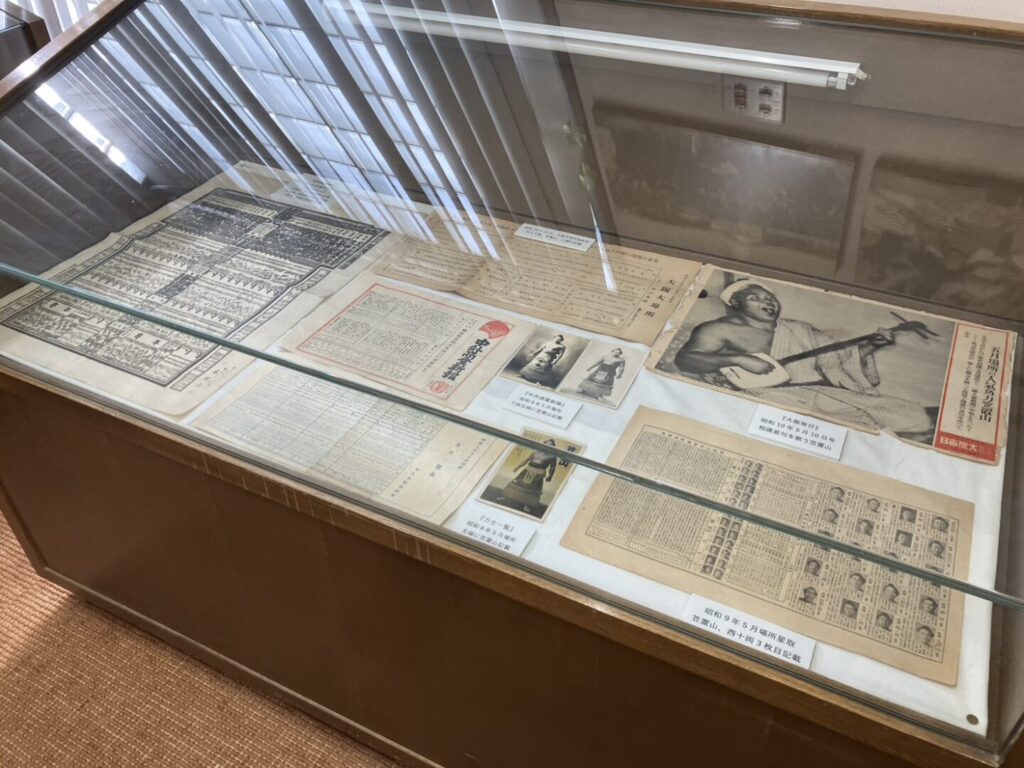
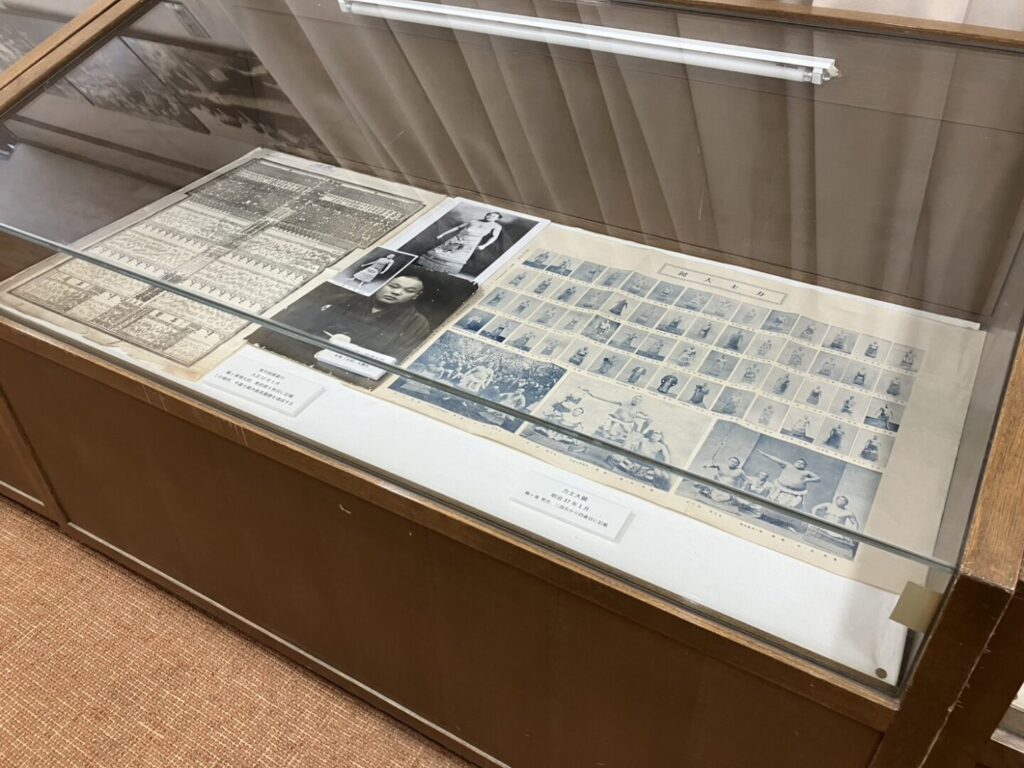
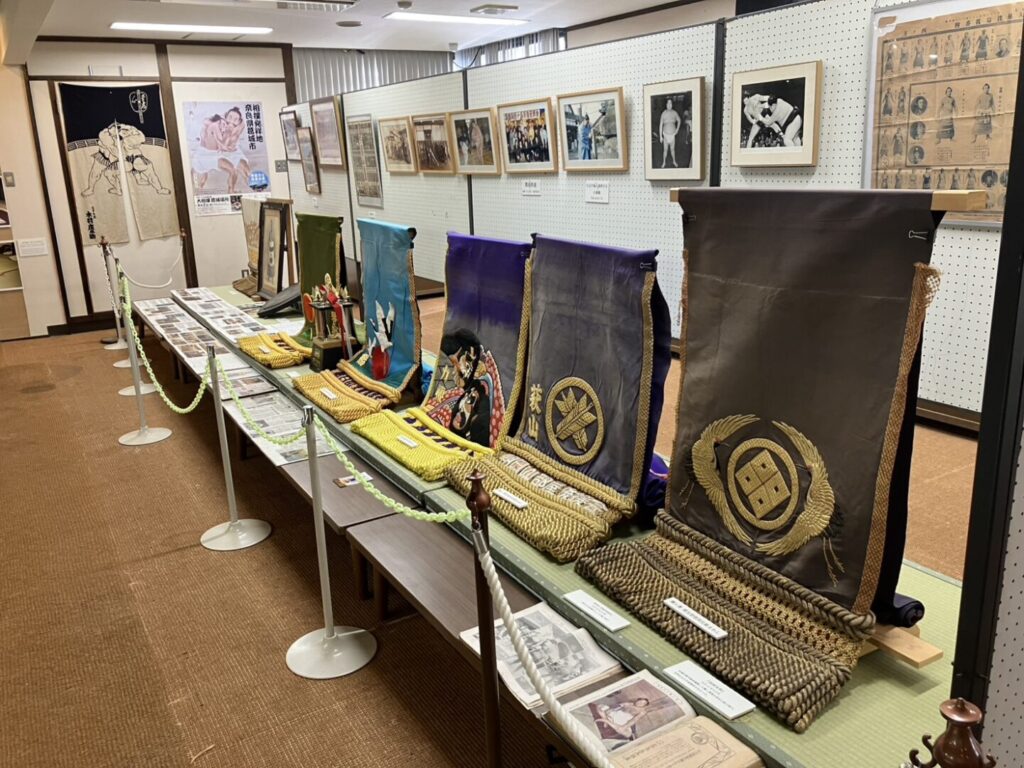
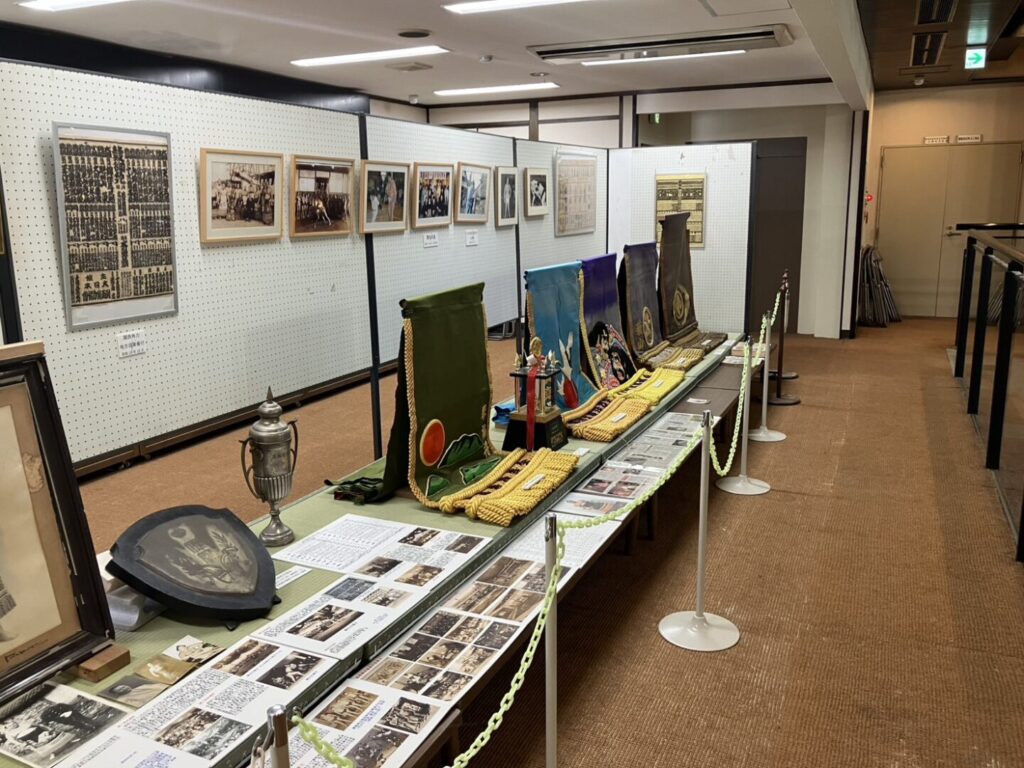
The exhibition presents Nara Prefecture’s connection with sumo through kesho-mawashi ceremonial sumo aprons, championship plaques, trophies, commemorative items, and other materials related to wrestlers who reached sekitori status, meaning the salaried ranks of juryo or higher.
Katsuragi City is known as a place connected to Taima no Kehaya, an ancient strongman and legendary figure associated with the origins of sumo. The city has a deep historical connection with sumo culture.
In Katsuragi City, where stories of sumo’s origins have been passed down, visitors can discover the history of sumo wrestlers connected to the local area.
The Origins of Sumo and Katsuragi City
_sizedown-1024x768.jpg)
Katsuragi City is known as a place connected to Taima no Kehaya.
The Nihon Shoki, one of Japan’s earliest historical chronicles, records a contest of strength between Taima no Kehaya, who lived in the village of Taima in Yamato Province, in what is now Nara Prefecture, and Nomi no Sukune, who was summoned from Izumo Province. This contest, said to have taken place on the seventh day of the seventh month in the seventh year of Emperor Suinin’s reign, is considered one of the origins of sumo, often regarded as Japan’s national sport. It is also said to have been Japan’s first recorded sumo match held in the presence of the emperor.
In Katsuragi City, an annual memorial ceremony known as Kehaya Hoyo is held every July to honor Taima no Kehaya. Through this tradition, the city continues to preserve its deep connection with sumo.
For Visitors New to Sumo
Sumo is a traditional Japanese sport with a long history. Wrestlers, known as rikishi, compete on a ring called a dohyo. A wrestler wins by forcing the opponent out of the ring, or by making any part of the opponent’s body other than the soles of the feet touch the surface of the dohyo.
The term sekitori refers to a sumo wrestler in the salaried ranks of juryo, the second-highest professional division, or higher. A kesho-mawashi is a decorative ceremonial apron worn mainly during ring-entering ceremonies.
By learning not only about the sport itself, but also about the lives of sumo wrestlers and their connections to local communities, visitors can gain a deeper appreciation of sumo culture.
An Exhibition Introducing Sumo Wrestlers from Nara Prefecture
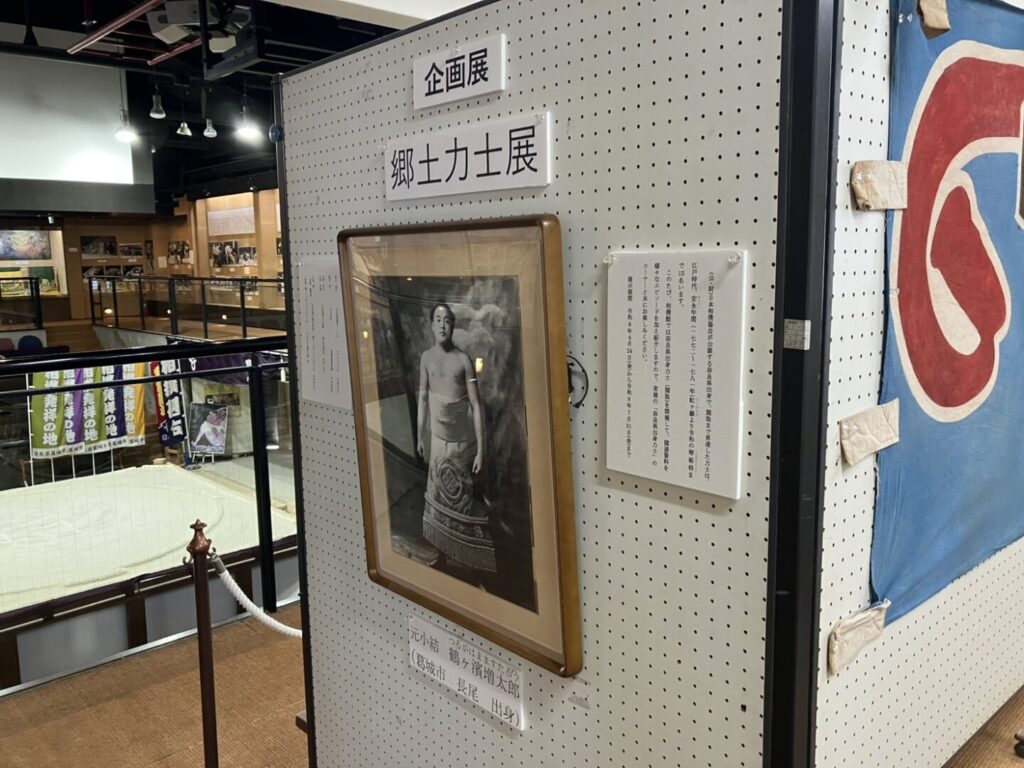
The “Local Sumo Wrestlers Exhibition” is being held at Katsuragi City Sumo Museum “Kehaya-za” to introduce sumo wrestlers from Nara Prefecture and express hopes for their continued success.
According to the Japan Sumo Association, 15 sumo wrestlers from Nara Prefecture have reached sekitori status. The exhibition traces the history of locally connected wrestlers, from Nijigatake Somaemon in the Edo period to Kotoyusho Yoshihiro, who retired in 2024.
Tsurugahama Masutaro, a Sumo Wrestler from Katsuragi City
The exhibition also introduces Tsurugahama Masutaro, a sumo wrestler from Katsuragi City.
Tsurugahama won the top-division championship at the January 1923 tournament of Tokyo sumo as a maegashira, or rank-and-file wrestler. In this context, the term refers to a wrestler in the top division below the titled ranks of yokozuna, ozeki, sekiwake, and komusubi.
The kesho-mawashi used by Tsurugahama at the time features embroidery of two cranes. It is one of the notable items on display, offering a glimpse into the history of a sumo wrestler connected to Katsuragi City.
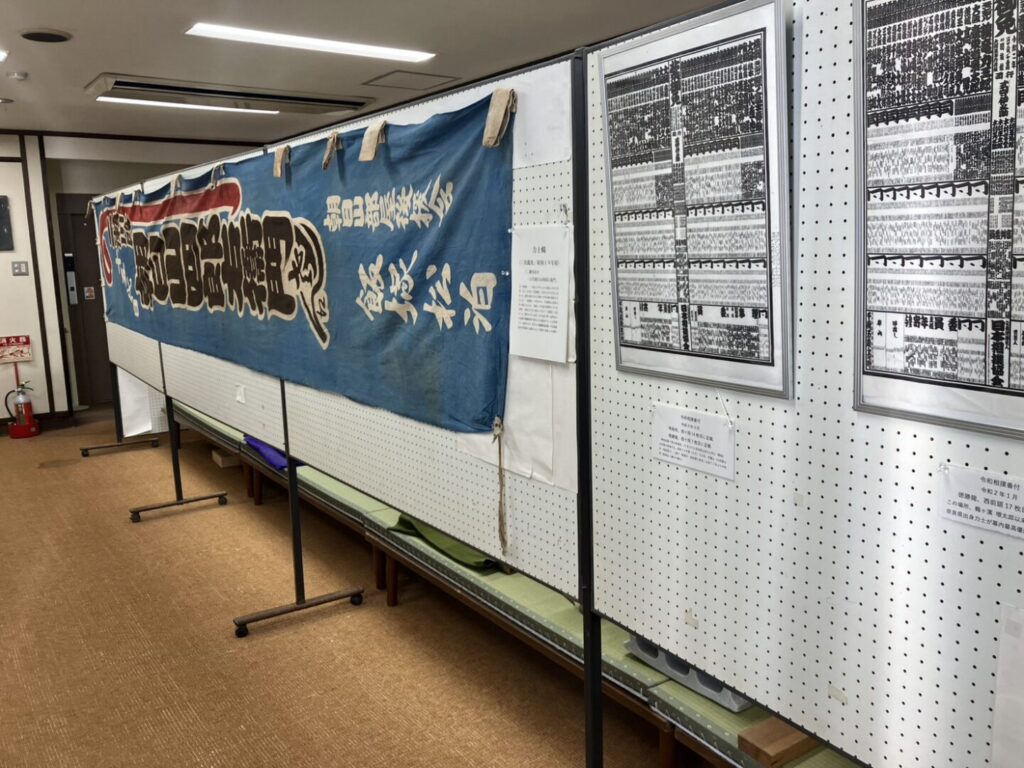
Materials Related to Yamatonishiki Yukio and Tokushoryu Makoto Also on Display
The exhibition also features materials related to Yamatonishiki Yukio, a sumo wrestler from Tawaramoto Town.
Yamatonishiki won the final tournament of the Kansai Sumo Association, an independent professional sumo organization that existed in Japan from 1933 to 1937.
Visitors can see items such as a championship plaque, trophies, and kesho-mawashi ceremonial sumo aprons.
The exhibition also includes materials related to Tokushoryu Makoto, a sumo wrestler from Nara City. Tokushoryu won the January 2020 tournament while ranked at makujiri, the lowest-ranked position in makuuchi, sumo’s top division.
Items on display include a daruma doll, a traditional Japanese good-luck figure, made to commemorate his championship victory, as well as the trophy for the Outstanding Performance Prize he received at the same tournament.
Exhibition Information
- Exhibition: Local Sumo Wrestlers Exhibition
- Period: Until Friday, July 31, 2026
- Venue: Katsuragi City Sumo Museum “Kehaya-za”
Admission: Included in the museum admission fee
- Adults (high school students and older): 300 yen
- Children (elementary and junior high school students): 150 yen
- Children below elementary school age: Free of charge
Closed: Tuesdays and Wednesdays
Contact: Katsuragi City Sumo Museum “Kehaya-za”
Phone: 0745-48-4611
Opening Hours: 10:00–17:00