New & Now
Spring Exhibition “Kofun and the World of Yomi — Inside Corridor-Style Stone Chambers” Now Open at Katsuragi City History Museum
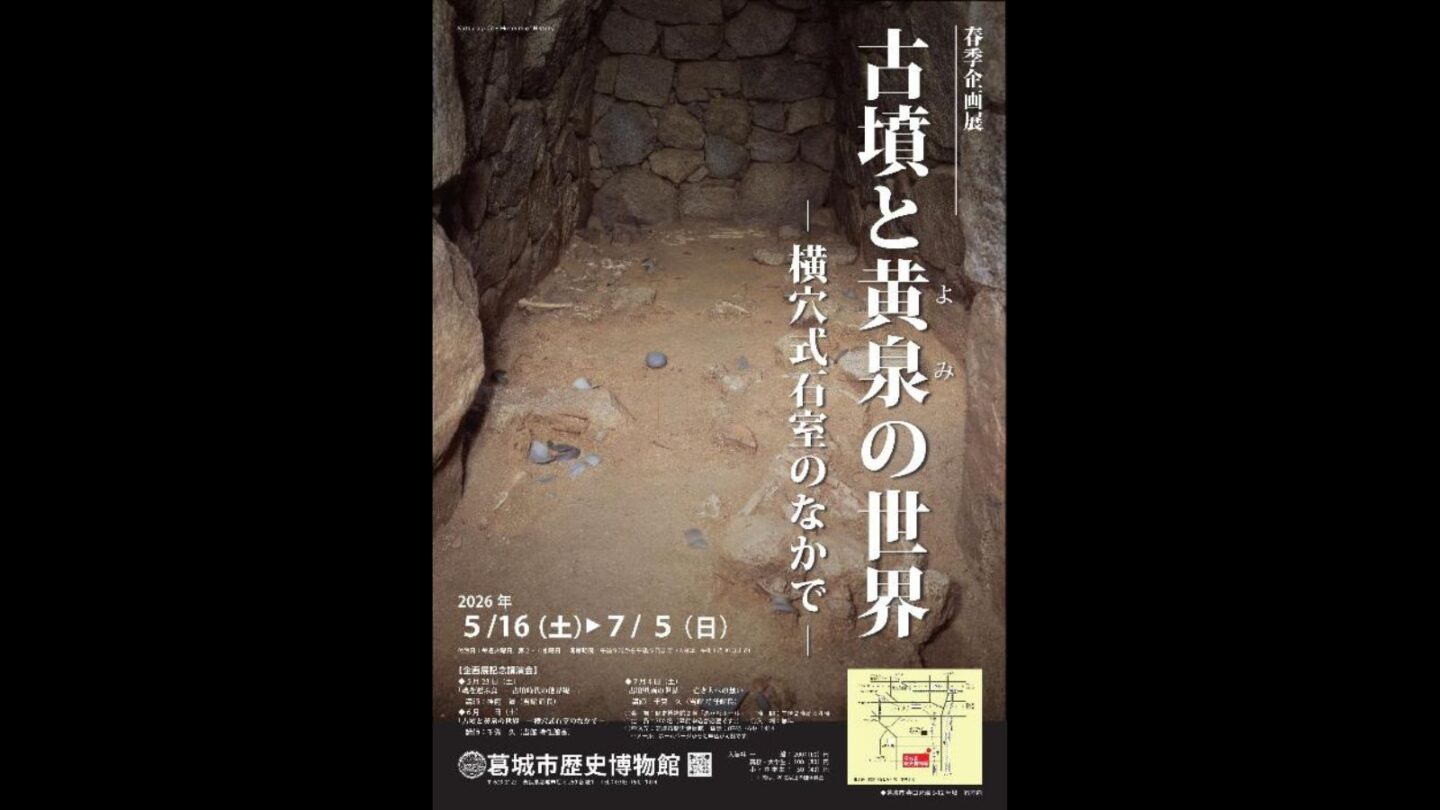
Katsuragi City History Museum in Katsuragi City, Nara Prefecture, is holding its spring exhibition, “Kofun and the World of Yomi — Inside Corridor-Style Stone Chambers,” from Saturday, May 16 to Sunday, July 5, 2026. Yomi refers to the realm of the dead in Japanese mythology.
This exhibition introduces how people in the Kofun period of ancient Japan imagined the world after death, using Sueki and Hajiki pottery discovered in the Teraguchi Oshimi Kofun Cluster as key materials.
Through excavated artifacts and research materials found in ancient tombs, visitors can trace the thoughts of the people who placed pottery for the deceased, as well as their ideas about the afterlife, including Yomi.
Tracing Views of the Afterlife in the Kofun Period Through Excavated Materials
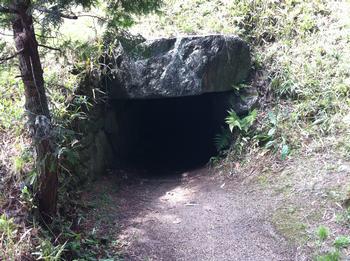
The spring exhibition “Kofun and the World of Yomi — Inside Corridor-Style Stone Chambers” presents research materials and photographic panels related to the Teraguchi Oshimi Kofun Cluster in Katsuragi City. The exhibition focuses on the arrangement of pottery found inside the tombs and the vessels placed for the deceased.
In many tombs of the Teraguchi Oshimi Kofun Cluster, Sueki and Hajiki pottery vessels placed for the deceased were found in the positions where they had originally been placed.
Through these excavated materials, the exhibition traces how people in the Kofun period thought about the world after death and what feelings they may have held for those who had passed away.
Views of the Other World Seen Through the Teraguchi Oshimi Kofun Cluster
The Teraguchi Oshimi Kofun Cluster is a group of ancient burial mounds located at the eastern foot of Mt. Katsuragi. It is estimated that more than 200 tombs were built there, and the site is thought to have continued to be used from the late 5th century to the early 7th century.
The cluster is also notable for having adopted corridor-style stone chambers from an early stage. Some tombs contained blacksmithing tools among the grave goods, and the people buried there are thought to have been involved in iron production. These groups are also thought to have included many toraijin, people who came to ancient Japan from the Asian continent.
By looking at materials excavated from this kofun cluster, the exhibition introduces not only the lives and techniques of the people of the time, but also their prayers for the deceased and their views of the world after death.
Key Terms to Help You Enjoy the Exhibition
Kofun
Kofun are ancient burial mounds. In Japan, many kofun were built across the country from around the 3rd to the 7th century. The Kofun period is named after these large burial mounds.
Yomi
Yomi is a term that refers to the world after death in Japanese mythology and related traditions. In this exhibition, it is used as a key idea for considering how people in the Kofun period imagined the other world and the realm of the dead.
Corridor-Style Stone Chamber
A corridor-style stone chamber is a type of burial facility built inside a kofun by stacking stones. It has an entrance from the side and contains a space where the deceased were buried.
Sueki and Hajiki Pottery
Sueki and Hajiki are types of pottery used in ancient Japan. Sueki is known as hard, gray pottery fired at high temperatures. Hajiki, also known in English as Haji pottery or Haji ware, is reddish-brown, unglazed earthenware.
Toraijin
Toraijin refers to people who came to ancient Japan from the Asian continent, as well as communities connected to them. In this article, the term is used in relation to groups thought to have been connected with iron production in ancient Katsuragi.
Event Information
Exhibition Period
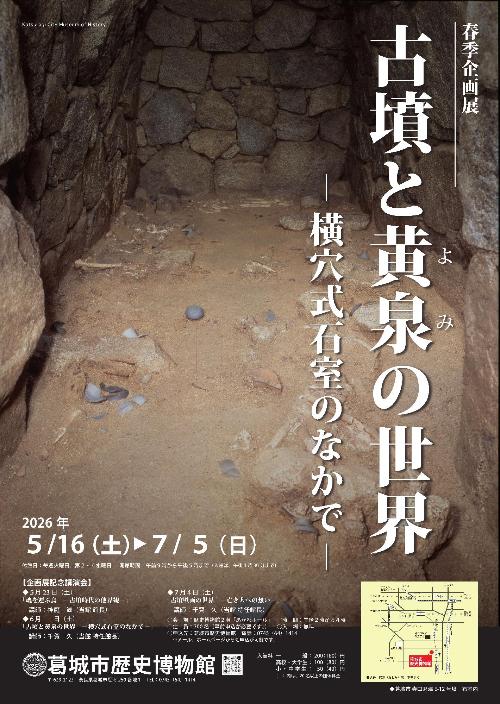
Saturday, May 16 – Sunday, July 5, 2026
Venue
Katsuragi City History Museum, 1st Floor Special Exhibition Room
Opening Hours
9:00 AM – 5:00 PM
*Last entry is at 4:30 PM.
Closed
Tuesdays, and the 2nd and 4th Wednesdays of the month
Admission
Adults: 200 yen / Group rate for 20 or more: 160 yen
High school and university students: 100 yen / Group rate for 20 or more: 80 yen
Elementary and junior high school students: 50 yen / Group rate for 20 or more: 40 yen
*Admission is free for visitors with a disability certificate and one accompanying caregiver. Please present your disability certificate at reception.
Parking
Parking is available for 30 vehicles.
*The number of available spaces may vary when tour buses use the parking lot.
History Lectures “Invitation to Katsuragi Studies”
During the exhibition period, related history lectures titled “Invitation to Katsuragi Studies” will also be held.
Advance registration is required. Please note that visitors without advance registration cannot attend on the day of the lecture.
Commemorative Lectures for the Spring Exhibition
Lecture 1: “Birds That Carry the Soul — Views of the Other World in the Kofun Period”
Date & Time: Saturday, May 23, 2026, from 2:00 PM
Lecturer: Shigeru Kanba, Director of Katsuragi City History Museum
Lecture 2: “Kofun and the World of Yomi — Inside Corridor-Style Stone Chambers”
Date & Time: Saturday, June 13, 2026, from 2:00 PM
Lecturer: Hisashi Chiga, Special Director of Katsuragi City History Museum
Lecture 3: “The World of Kofun Wall Paintings — Thoughts for the Deceased”
Date & Time: Saturday, July 4, 2026, from 2:00 PM
Lecturer: Hisashi Chiga, Special Director of Katsuragi City History Museum
Capacity
200 participants per lecture
Venue
Akane Hall, 2nd Floor, Katsuragi City History Museum
Lecture Fee
Free
Registration and Inquiries
Those who wish to attend the history lectures can register by calling Katsuragi City History Museum directly, using the lecture registration form, or applying at the museum reception desk.
History Museum Lecture Registration Form (Japanese page)
Registration and Inquiries
Katsuragi City History Museum
Phone: 0745-64-1414
Address
250-1 Oshimi, Katsuragi City, Nara Prefecture
Related Links
Katsuragi City Official Website: Spring Exhibition “Kofun and the World of Yomi — Inside Corridor-Style Stone Chambers” (Japanese page)