%20--%3e%3csvg%20version='1.1'%20id='レイヤー_1'%20xmlns='http://www.w3.org/2000/svg'%20xmlns:xlink='http://www.w3.org/1999/xlink'%20x='0px'%20y='0px'%20viewBox='0%200%2077.4%2077.4'%20style='enable-background:new%200%200%2077.4%2077.4;'%20xml:space='preserve'%3e%3cstyle%20type='text/css'%3e%20.st0{fill:%23D1181B;}%20.st1{fill:%23FFFFFF;}%20%3c/style%3e%3ctitle%3elogo_b%3c/title%3e%3cdesc%3eCreated%20with%20Sketch.%3c/desc%3e%3cpath%20id='Fill-34'%20class='st0'%20d='M26.7,56.1c-2,2-5.2,2-7.2,0c-2-2-2-5.2,0-7.2c2-2,5.2-2,7.2,0C28.6,50.9,28.6,54.1,26.7,56.1'/%3e%3cpath%20id='Fill-35'%20class='st1'%20d='M54.8,30.3H22.9l5.8-10.1H49L54.8,30.3z%20M64.4,20.1c-1.1-1.6-2.4-3-3.8-4.4H16.8%20c-1.4,1.3-2.7,2.8-3.8,4.4h10.4L8,46.8c0.5,2,1.2,3.9,2.1,5.7l10.3-17.9c0.1,0.1,0.3,0.2,0.5,0.2h36.4l10,17.4%20c0.9-1.8,1.5-3.8,2-5.8L54.3,20.1H64.4z'/%3e%3cpath%20id='Fill-36'%20class='st1'%20d='M38.7,7C21.2,7,7,21.2,7,38.7s14.2,31.7,31.7,31.7s31.7-14.2,31.7-31.7S56.2,7,38.7,7%20M38.7,77.4%20C17.4,77.4,0,60.1,0,38.7S17.4,0,38.7,0s38.7,17.4,38.7,38.7S60.1,77.4,38.7,77.4'/%3e%3c/svg%3e)
역사의 산책길 (세키도 - 들리는 길)
다마시 세키도는 가마쿠라가도 우에노 도로를 따라 위치하고 있었습니다. 그래서 종종 전투가 행해지고,진이 놓여 있어, 지금도 그 흔적이 남아 있습니다. 그런 역사가 남아 있은 세키도의 거리를 어슬렁 어슬렁 걸어보지 않겠습니까?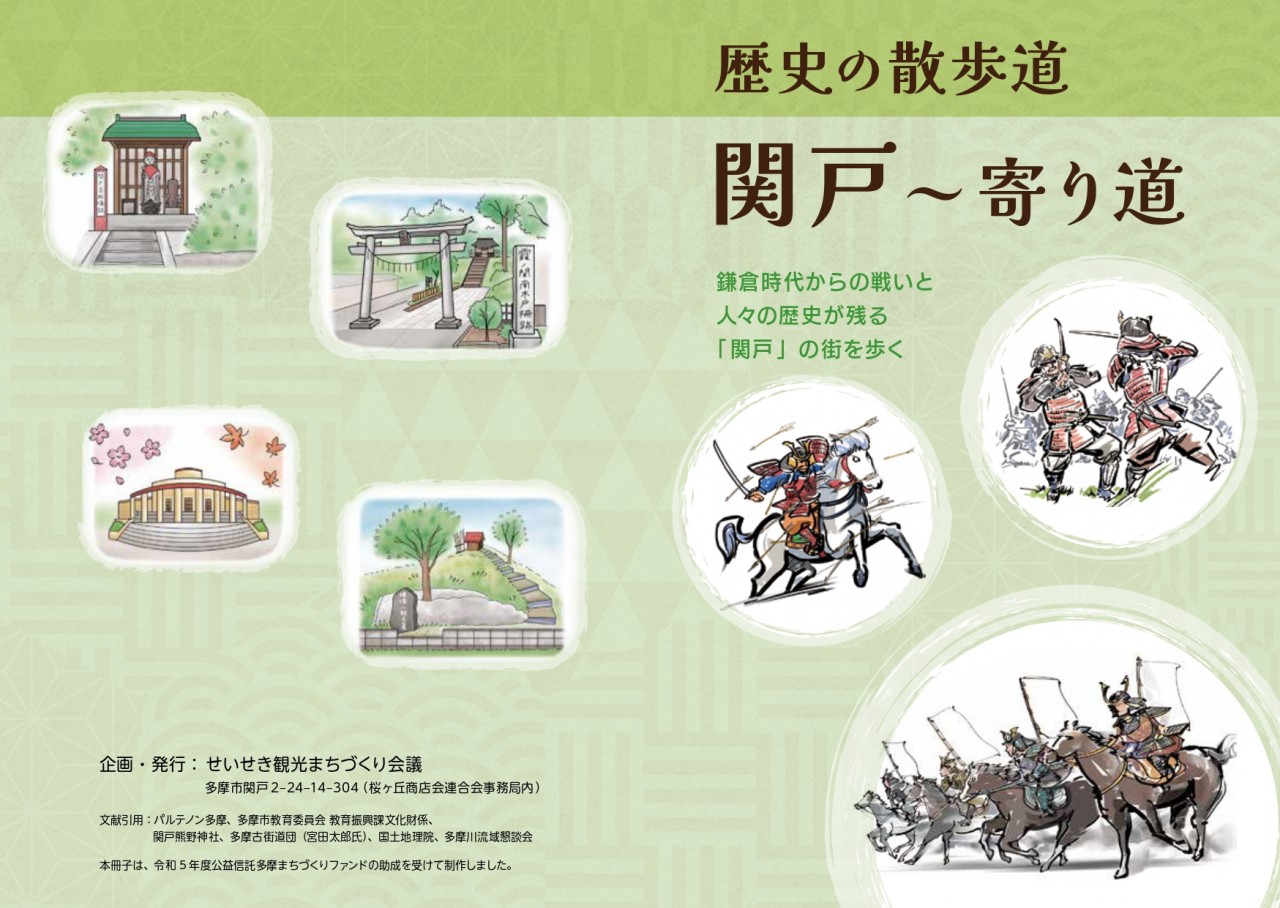
1. 세키도노와타시 아토
가마쿠라 가도의 세키도 ~ 후추 · 나카가와라를 연결하여 다마가와를 건너는 교통 수단으로 이용되었지만, 1937년에 세키도교가 개통되어 역할을 다했습니다.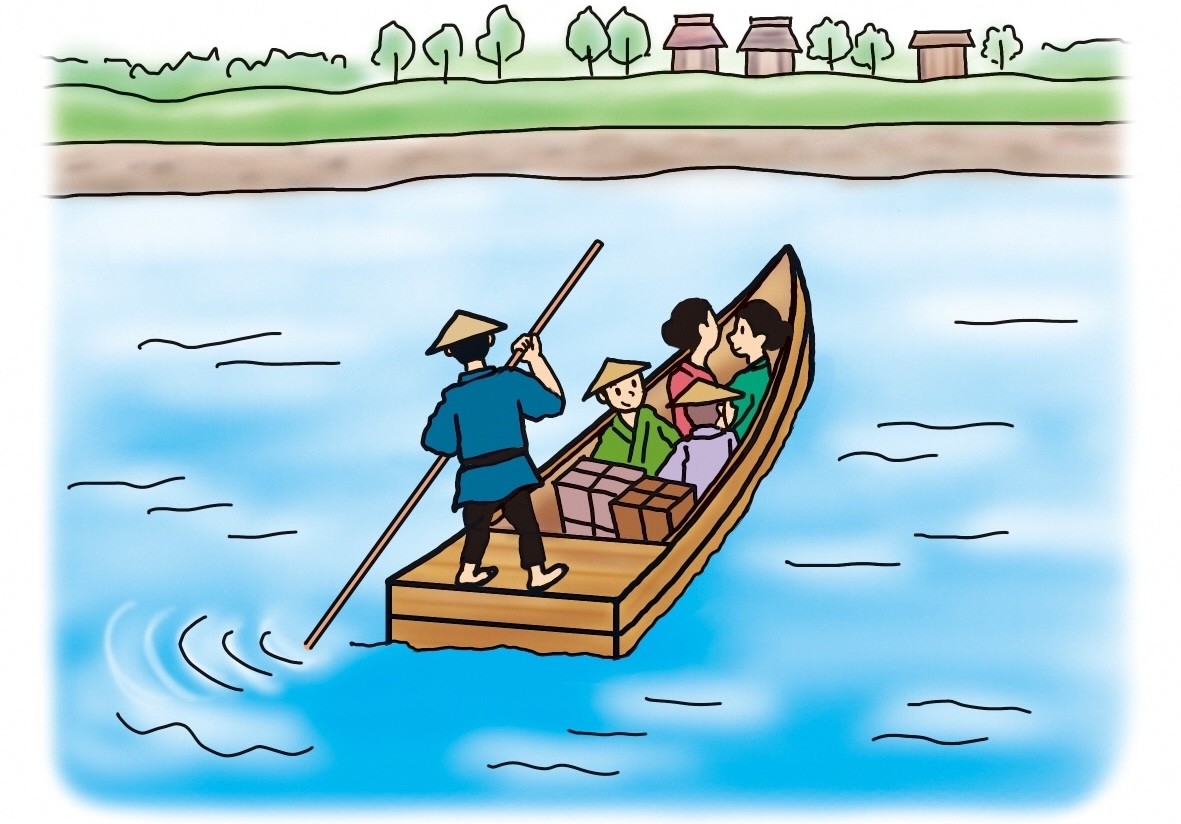
2. 도쿠가와 이에야스 존구 휴식 장소
도쿠가와 이에야스의 유언에 따라 닛코토쇼구에 분령하기 위해 신구를 이송하는 도중의 휴식장소. 그 기념으로 작은 사당(금산대권현)가 세워졌습니다.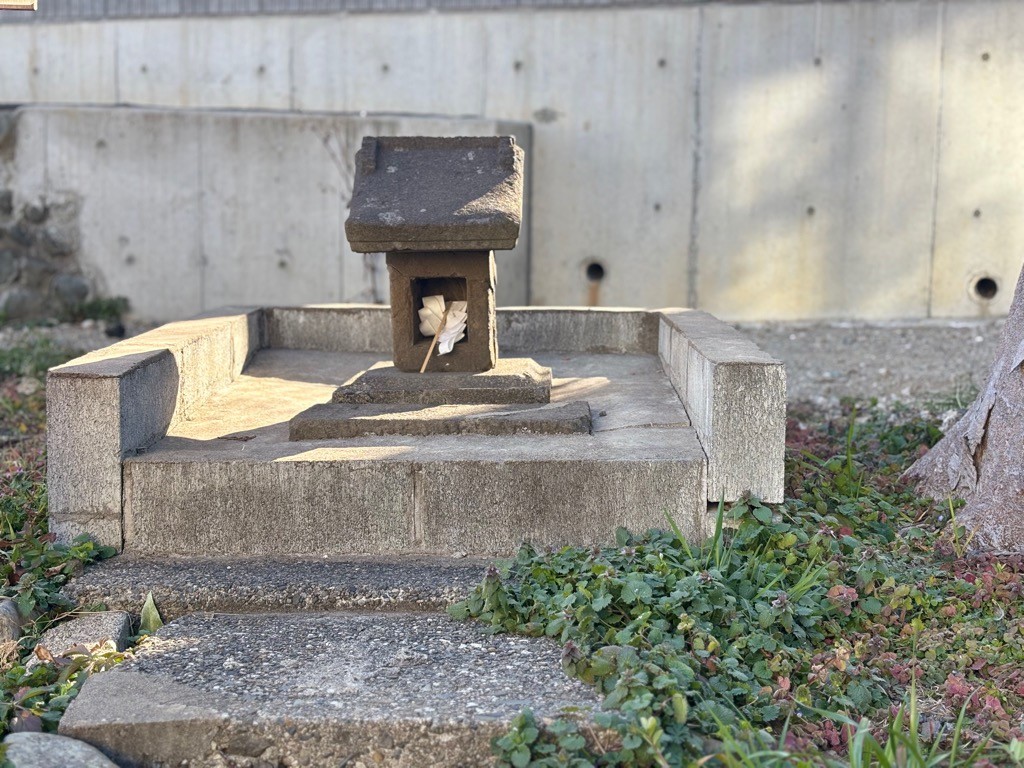
3. 세키도 옛 전쟁터
카마쿠라 말기 1333년, 호조 야스이에의 막부 군과, 닛타 요시사다의 군이 싸운 옛 전쟁터. 그 결과, 닛타 군측이 승리하고,가 전쟁 직후에 카마쿠라 막부는 멸망했습니다.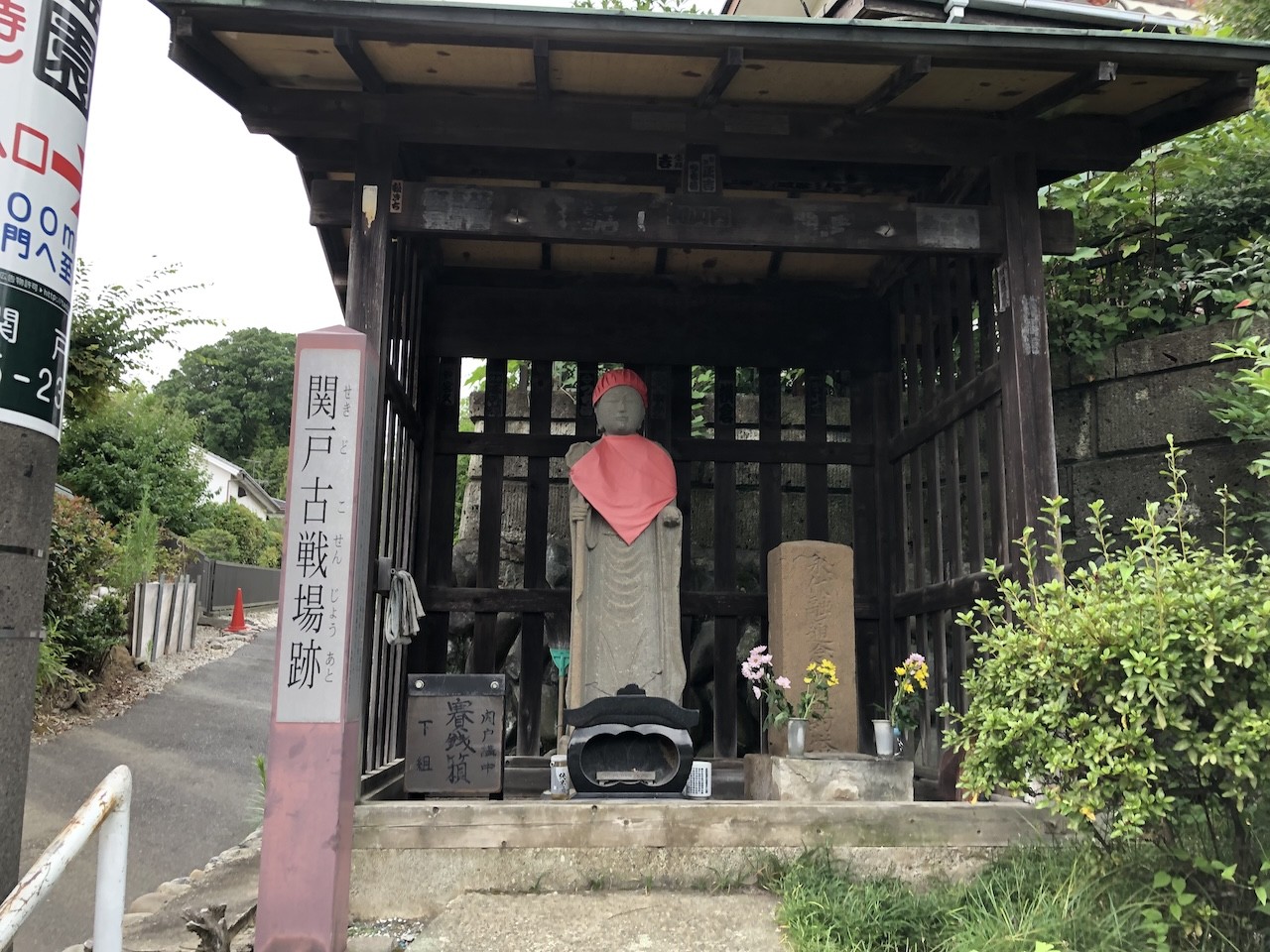
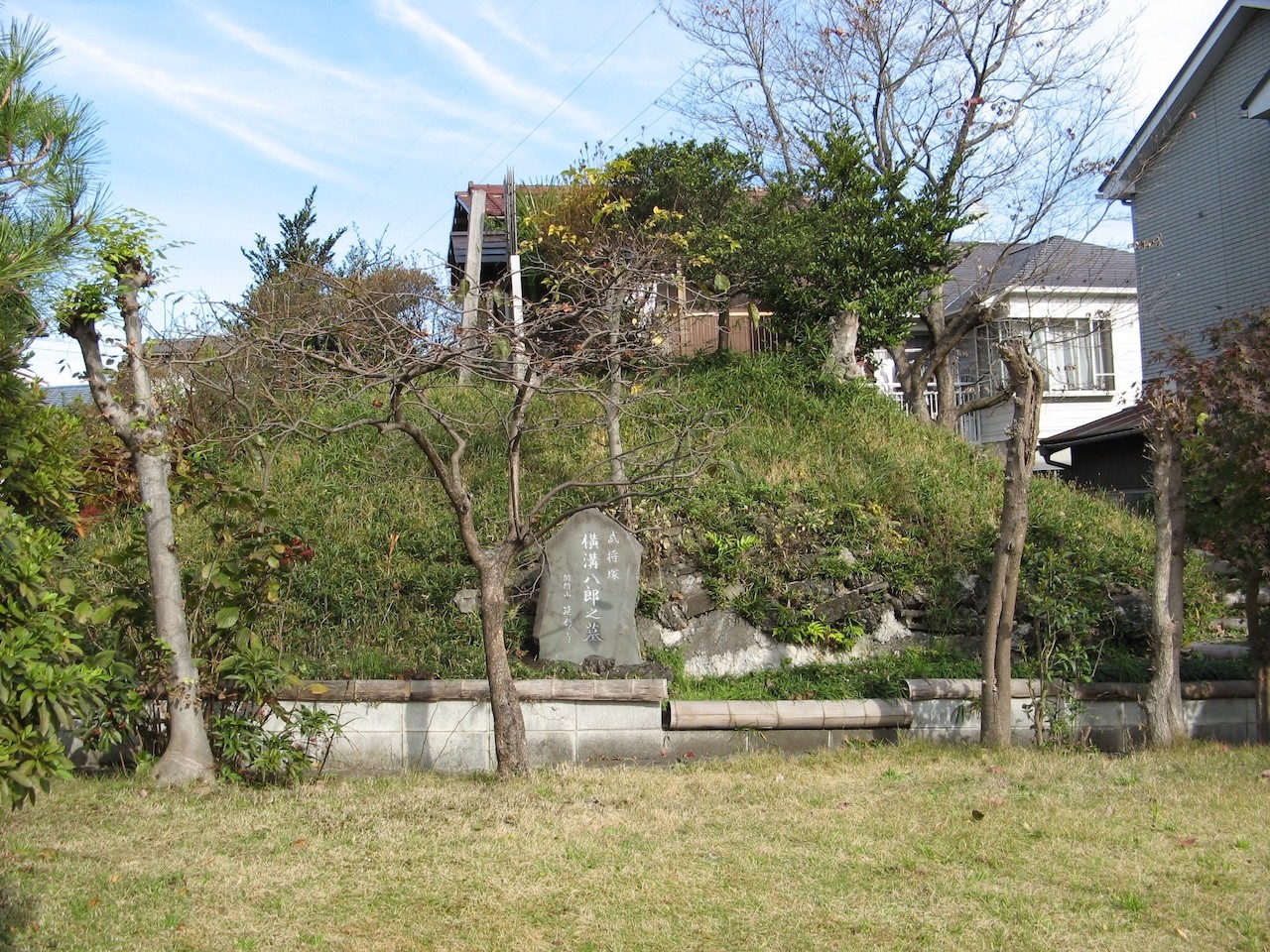
4. 요코미조 하치로의 무덤
호조 야스이에의 하인의 무덤. 아래에 비석이 있습니다. 1333년 세키도전투에서 야스이에를 지키며 분전.활의 명수였지만,가 땅에서 전사. 야스이에는 가마쿠라로 패주※ 무덤까지는 개인 소유의 땅을 지나갑니다. 조용히 참배를.
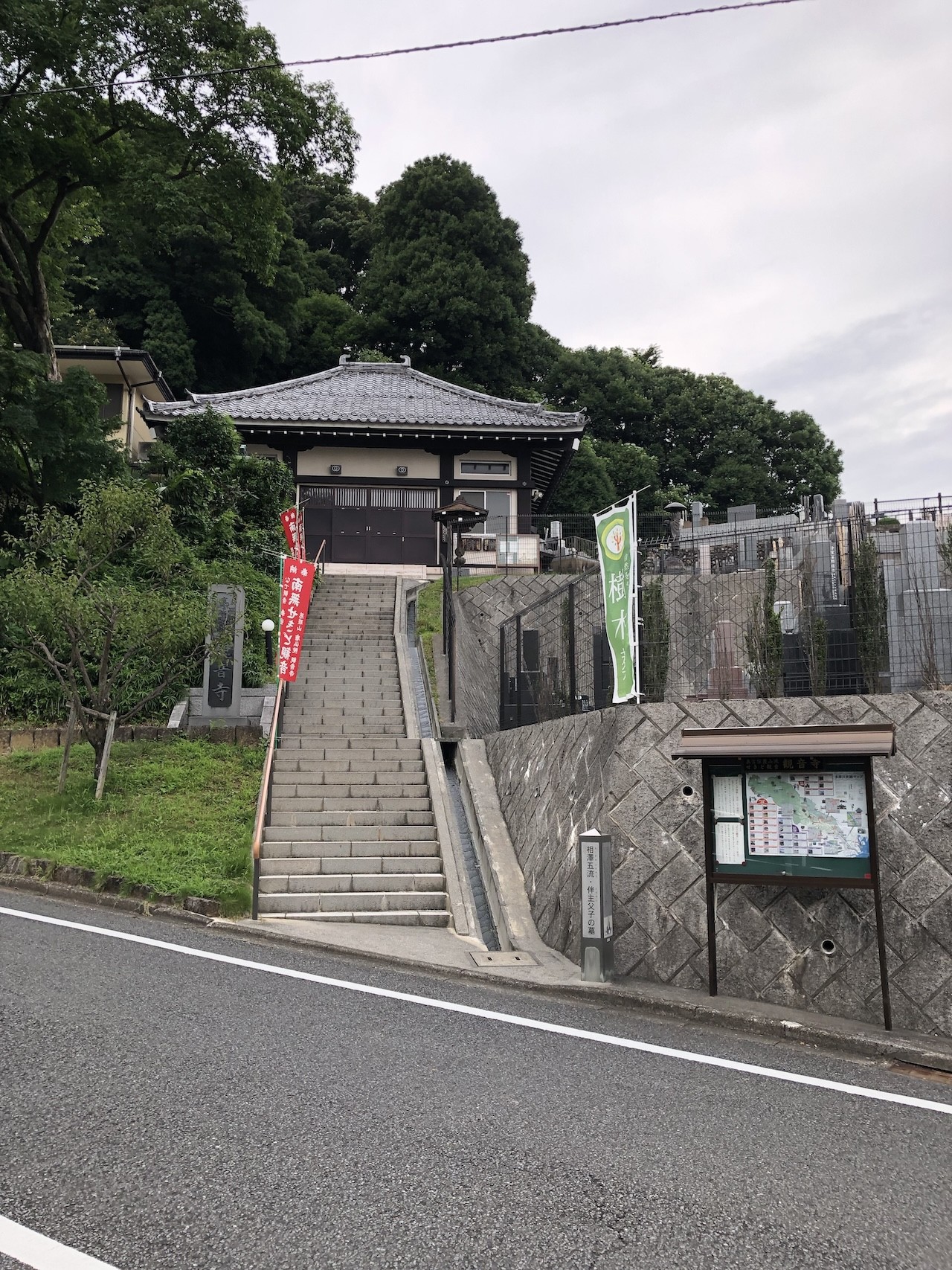
5.간논지절/ 아이자와 고류 · 반슈의 무덤
진언종풍산파.개산 개기는 알 수 없지만, 사전에서는 겐큐 3년 (1192)에 당나라의 승려가 관음상을 안치하고 일 암을 세운 것이 시작이라고 합니다. 세키도가 낳은 에도 시대의 문화인, 아이자와 고류 · 반슈 부자의 무덤이 있습니다.
6. 구마노 신사 /관소 흔적
1489년, 와카야마 현의 쿠마노 산샤를 권청했다고 전해지는 세키도의 수호신. "세키도"의 지명과 유래가 되는, 카마쿠라 막부가 설치한 관 소의 울타리터(도쿄도 지정사적)도 있습니다.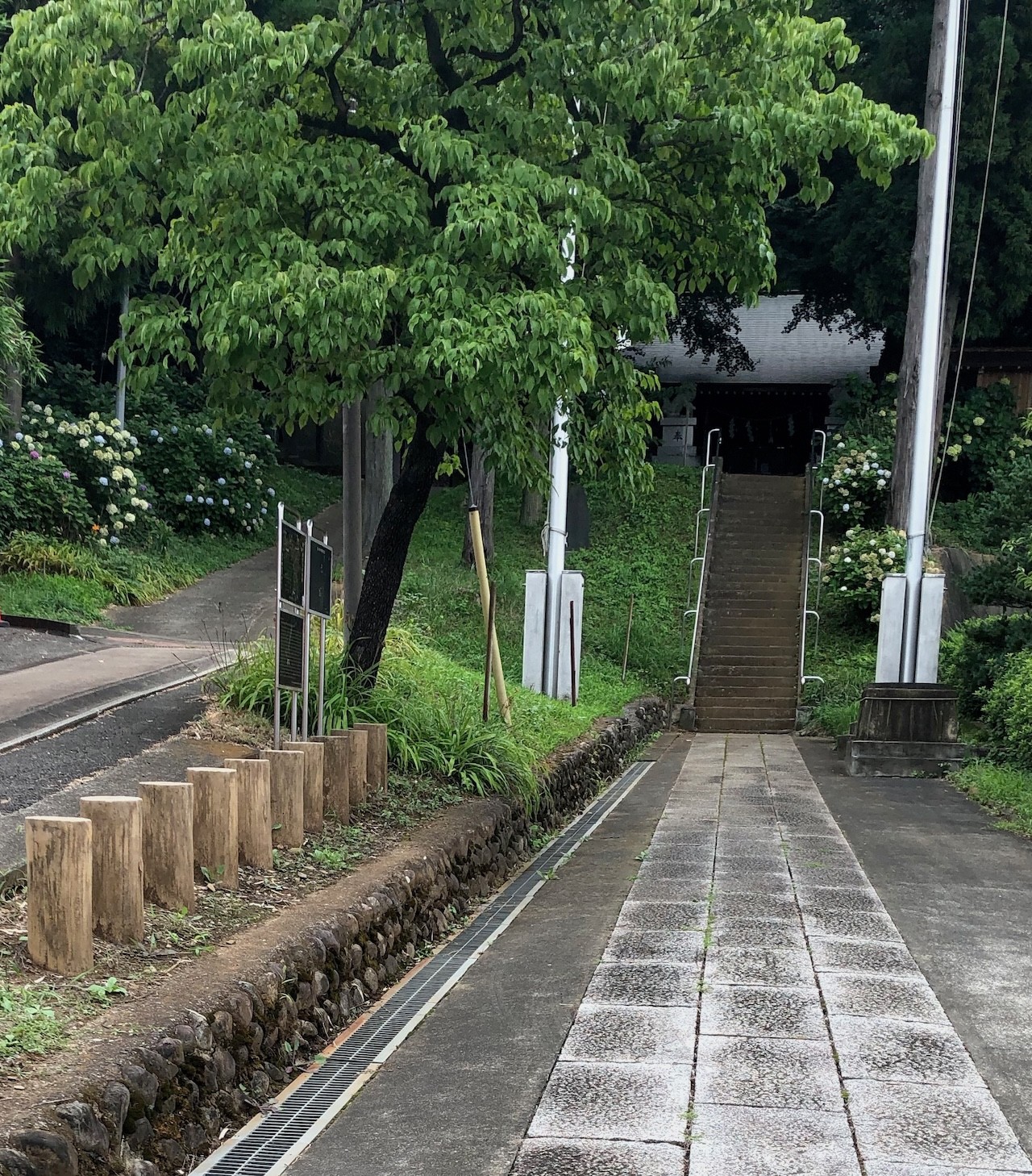
← 다마시 TOP로 돌아가기