Yokosuka Museum of Art Reopens September 5, 2026: Renovation Highlights and Exhibitions
After nearly ten months of renovation work, the Yokosuka Museum of Art will reopen on Saturday, September 5, 2026. From opening day, visitors can explore special exhibitions drawn from the museum’s collection, including works by artists with close connections to Yokosuka.
The museum’s setting beside Tokyo Bay remains as much a part of the visit as the art itself.
A More Comfortable and Engaging Museum Experience
The Yokosuka Museum of Art closed its main building and the Taniuchi Rokuro Pavilion on November 4, 2025. During the closure, the museum carried out maintenance on the building’s facilities and exterior.
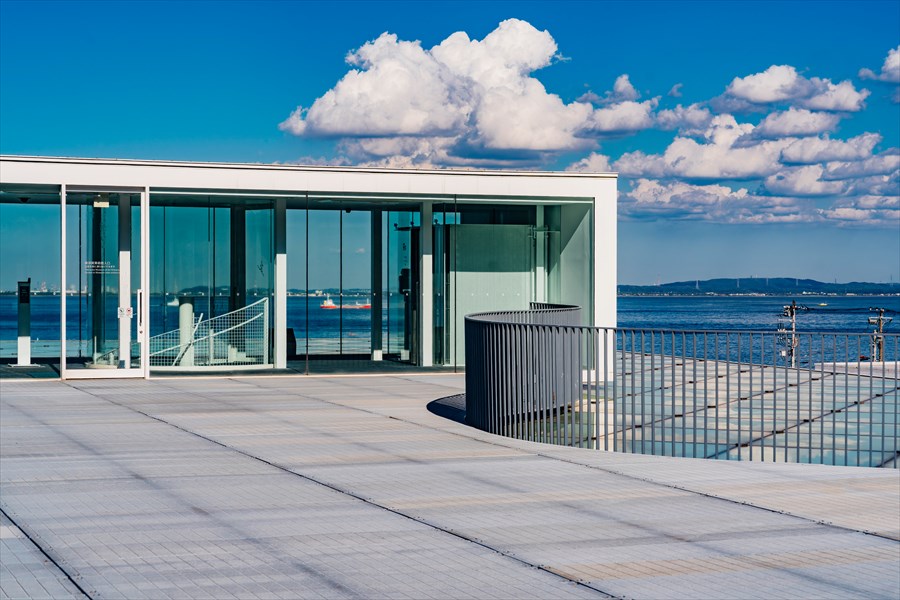
The reopening also changes how visitors can explore the collection. The museum is making its artwork database publicly available and expanding its audio guides and videos in sign language, helping visitors engage with the art in greater depth and at their own pace.
What Is the Yokosuka Museum of Art?
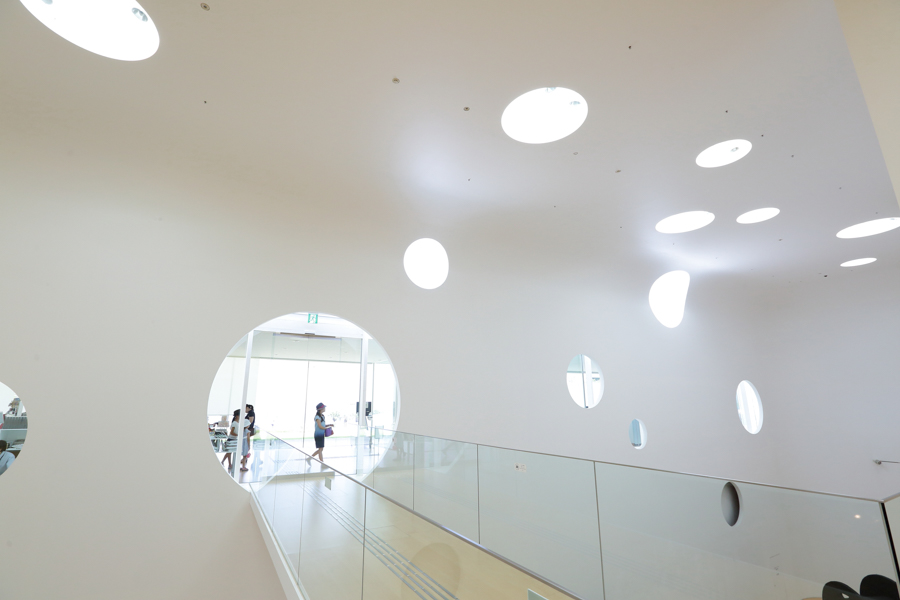
The Yokosuka Museum of Art opened on April 28, 2007, as part of celebrations marking the 100th anniversary of Yokosuka becoming a city.
Its collection focuses on modern and contemporary Japanese art. It includes works by artists associated with Yokosuka and the Miura Peninsula, works depicting the region, and art inspired by the sea. The museum now holds more than 6,000 works, primarily paintings and sculptures.
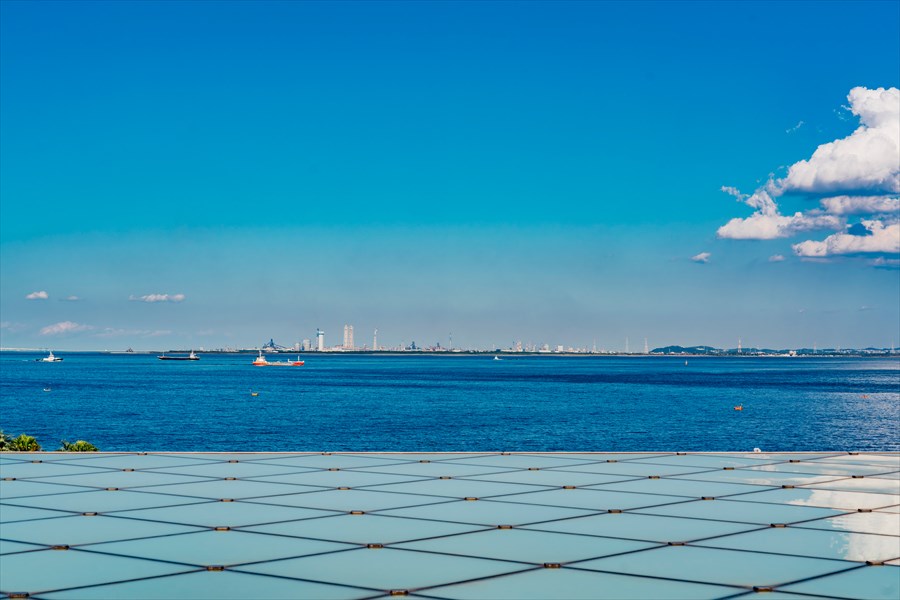
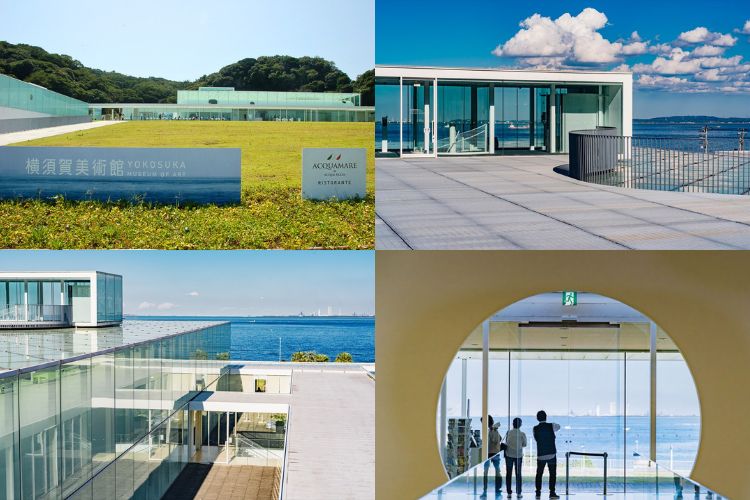
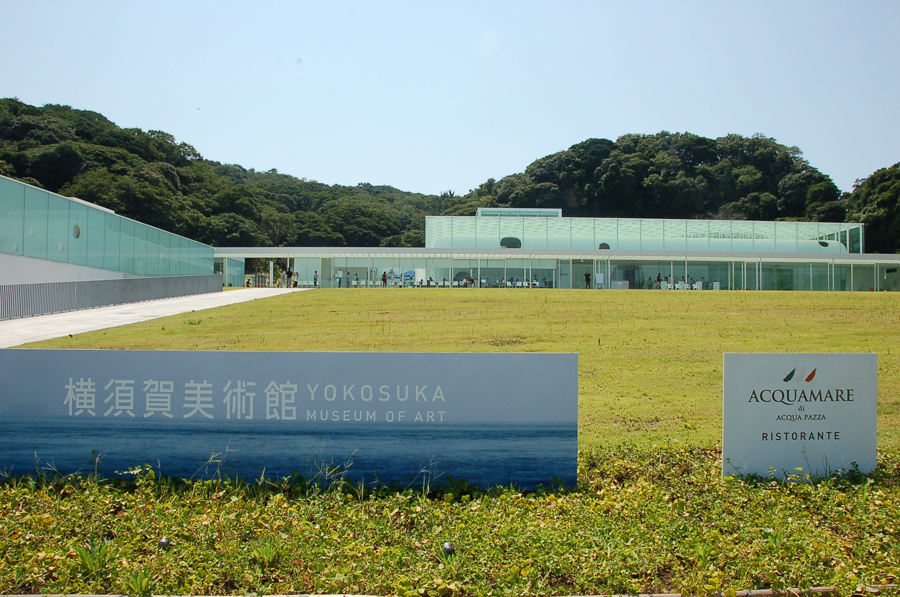
Located in the Kannonzaki area, the museum faces Tokyo Bay and is surrounded on three sides by forest.
The building was designed by architect Riken Yamamoto, the winner of the 2024 Pritzker Architecture Prize. Its steel-paneled inner structure is enclosed within a glass outer shell, with circular openings framing views of the sea and forest. Much of the building is set below ground, reducing its height and helping it blend into the surrounding landscape.
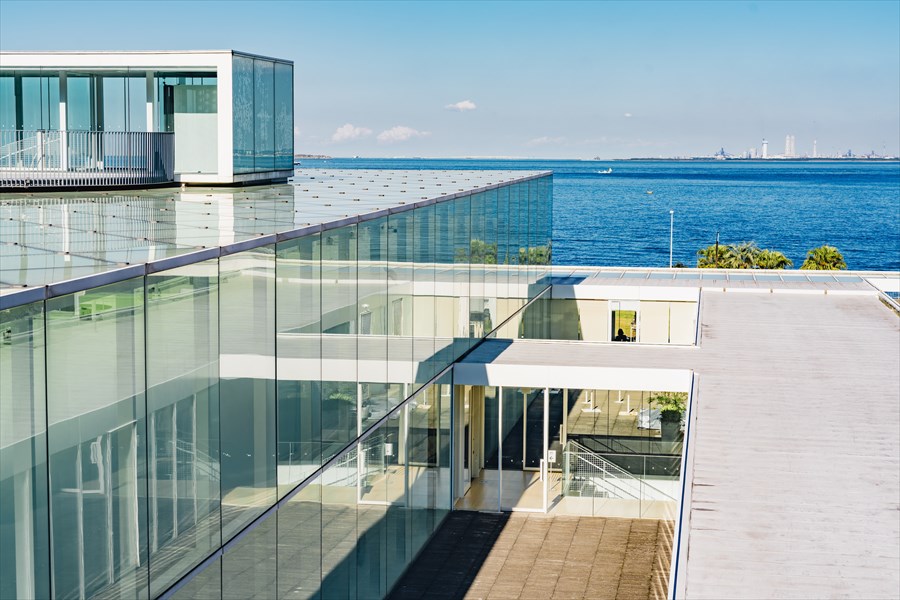
The setting is part of the experience. Views of the sea, forest, and sky change with the weather and time of day, while the building frames the surrounding landscape from within.
Reopening Exhibitions Throughout the Museum
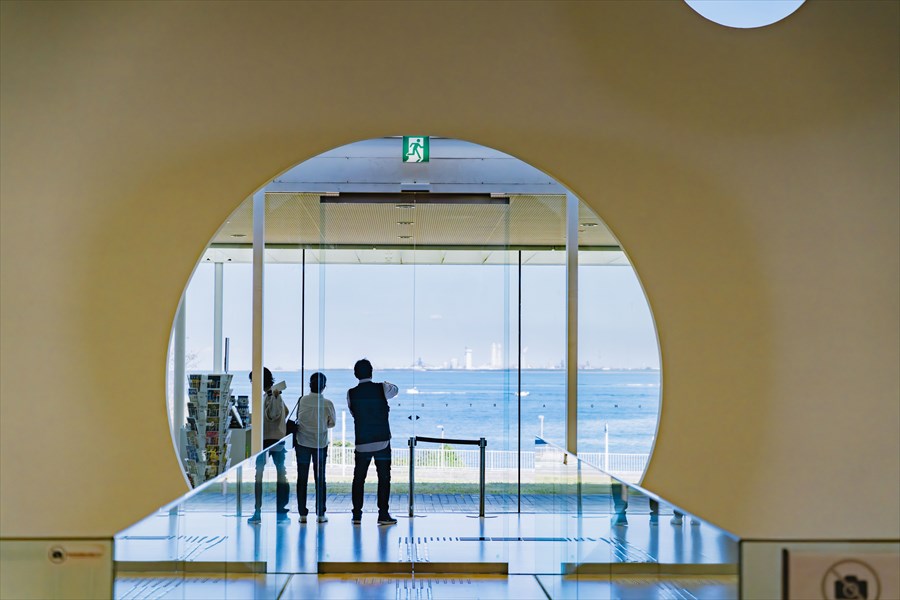
From opening day, exhibitions across the special exhibition galleries, collection galleries, and Taniuchi Rokuro Pavilion will look back on the museum’s first 19 years while also introducing recent acquisitions and donations.
The Museum’s Entire Shimada Shozo Collection on Display for the First Time
The special exhibition galleries on the ground floor will host “Reopening Exhibition: Shimada Shozo—Works from the Yokosuka Museum of Art Collection.”
Born in Yokosuka, Shimada Shozo was a painter and the first director of the Yokosuka Museum of Art. He developed a distinctive approach to figurative painting, placing everyday scenes and human figures within geometric spatial compositions. He called these figures “katachibito,” literally meaning “form people.”
For the first time, the museum will display its entire collection of approximately 130 works by Shimada. The exhibition includes oil paintings depicting Yokosuka, drawings created in Paris, prints, and personal tools such as the artist’s easel and palette.
Dates: September 5–November 3, 2026
Closed: September 7, October 5, and November 2
Admission: Adults ¥1,200; high school and university students and visitors aged 65 or older ¥1,000; junior high school students and younger free
Admission includes entry to the collection exhibition and the Taniuchi Rokuro Pavilion.
Special Section: Maruyama Junko, Breathing Garden
The collection galleries on the second basement level (B2F) will introduce recently acquired works alongside “Special Section: Maruyama Junko, Breathing Garden.”
Maruyama Junko is a Yokosuka-based artist who works with everyday materials that retain traces of people’s lives and memories. Her art explores themes of recycling and circulation.
For this exhibition, she combines discarded materials and soap to create an unfamiliar landscape with a sense of growth and movement. Workshop participants have also helped create a flower garden from plastic shopping bags. The work will continue to expand and change during the exhibition.
The broader collection exhibition will present approximately 40 recently acquired works. Highlights include photographs and prints depicting Yokosuka in the 1960s, as well as sound sculptures that visitors can experience firsthand.
Dates: September 5, 2026–January 17, 2027
Closed: September 7, October 5, November 2, December 7, and December 29, 2026–January 4, 2027
Admission: Adults ¥450; high school and university students and visitors aged 65 or older ¥350; junior high school students and younger free
This ticket covers the full collection exhibition, including Breathing Garden, as well as the Taniuchi Rokuro Pavilion.
The Moon, Stars, and Night Sky of Taniuchi Rokuro
Moonlight, stars, and imagined night skies fill the Taniuchi Rokuro Pavilion for “Reopening Exhibition: 2026 Taniuchi Rokuro Exhibition 1—The Moon’s Glow, the Stars’ Twinkle: Cover Illustrations for Shukan Shincho and Illustrations for Sky in a Bottle.”
From the launch of the weekly magazine Shukan Shincho in 1956 until his death in 1981, Taniuchi Rokuro created more than 1,300 cover illustrations.
The exhibition brings together covers depicting the moon, stars, and night sky. Works recently donated by his heirs will also be shown, including original illustrations from Sky in a Bottle, a picture book for which Taniuchi wrote the text and created the artwork.
Dates: September 5, 2026–January 17, 2027
Closed: September 7, October 5, November 2, December 7, and December 29, 2026–January 4, 2027
Admission: Included with admission to the collection exhibition
Admission to the collection exhibition and the Taniuchi Rokuro Pavilion will be free on Tuesday, November 3, 2026. A separate paid ticket will still be required for the Shimada Shozo exhibition.
Exploring the Art, Architecture, Sea, and Forest
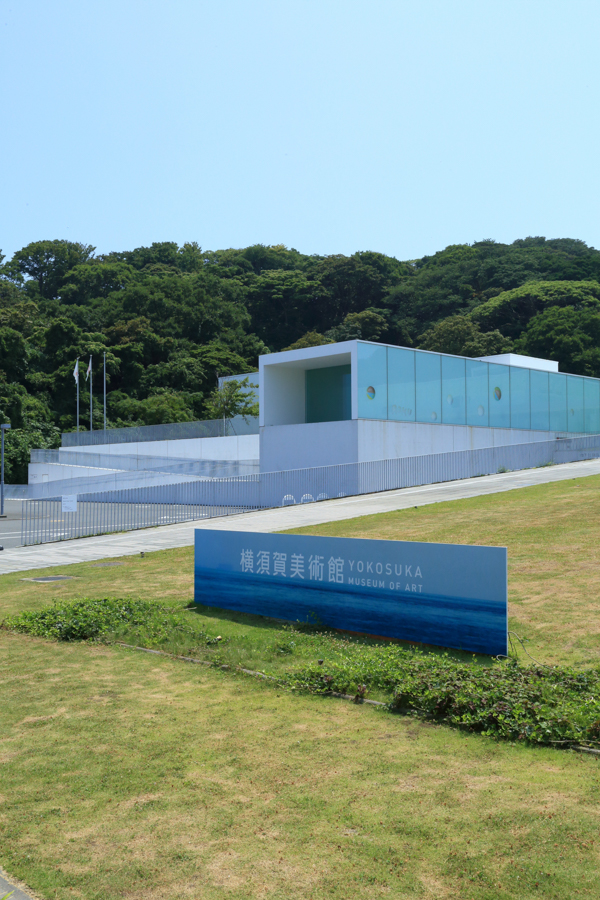
For a first visit, start with the special exhibition galleries on the ground floor before continuing to the collection galleries on B2F. The Taniuchi Rokuro Pavilion offers a separate space devoted to Taniuchi’s work.
After viewing the exhibitions, step outside to the Umi no Hiroba Space, the lawn facing the sea, or visit the rooftop plaza. From the museum grounds, visitors can watch ships crossing Tokyo Bay and enjoy views of the surrounding greenery of Kannonzaki.
Visitor Information
Reopening date: Saturday, September 5, 2026
Museum hours: 10:00 a.m.–6:00 p.m.
Rooftop plaza hours: 9:00 a.m.–7:00 p.m.
Regular closing days: The first Monday of each month. If the first Monday falls on a public holiday, the museum will remain open and observe a substitute closing day. Additional closures apply during the year-end and New Year holidays and exhibition changeovers.
Address: 4-1 Kamoi, Yokosuka City, Kanagawa 239-0813, Japan
Reservations: Advance timed-entry reservations are generally not required.
Exhibition dates, admission fees, and closing days vary. Check the museum’s official website before visiting.
Access to the Yokosuka Museum of Art
From Maborikaigan Station on the Keikyu Line
From Maborikaigan Station, walk to the Keikyu Bus stop in front of Seiyu and take a bus bound for Kannonzaki.
Get off at “La Vista Yokosuka Kannonzaki Terrace and Yokosuka Museum of Art.” The bus ride takes approximately 10 minutes, followed by a two-minute walk to the museum.
From Uraga Station on the Keikyu Line
Take a Keikyu Bus bound for Kannonzaki and get off at the final stop, Kannonzaki. The bus ride takes approximately 15 minutes, followed by a five-minute walk to the museum.
From Yokosuka Station on the JR Yokosuka Line
Take a Keikyu Bus bound for Kannonzaki and get off at “La Vista Yokosuka Kannonzaki Terrace and Yokosuka Museum of Art.” The bus ride takes approximately 40 minutes, followed by a two-minute walk to the museum.
Visiting by Car
The museum is approximately 3 kilometers, or about five minutes by car, from Maborikaigan IC on the Yokohama-Yokosuka Toll Road.
On August 26, 2026, the museum parking garage introduced a camera-based license-plate recognition system. No parking ticket is issued when entering.
Before leaving, enter your vehicle’s license plate number at a payment machine and pay the parking fee. There is no payment machine at the exit, so be sure to complete payment before driving out of the parking garage.
Parking garage hours: 8:00 a.m.–10:00 p.m.
Capacity: 120 standard vehicles
Parking fee: ¥320 for the first hour, then ¥160 for each additional 30 minutes
Daily maximum: ¥1,600
As of April 2026, the first hour is no longer free for museum visitors. The parking garage may become crowded during national holidays and peak travel periods, so consider using public transportation.