New & Now
Sumo Column Vol. 4: What Is Kojo? Words Spoken at Yokozuna and Ozeki Promotion Ceremonies — Part 1
What Is Kojo?
Kojo (口上) is a Japanese term for formal words spoken to convey a greeting, announcement, message, or statement.
The term is commonly used for formal greetings and announcements, as well as for addresses to an audience in traditional performing arts.
In professional sumo, kojo also plays an important role in the promotion ceremony held when a wrestler is promoted to Yokozuna or Ozeki. Envoys formally announce the promotion, and the wrestler responds with words of acceptance, gratitude, and determination for the future.
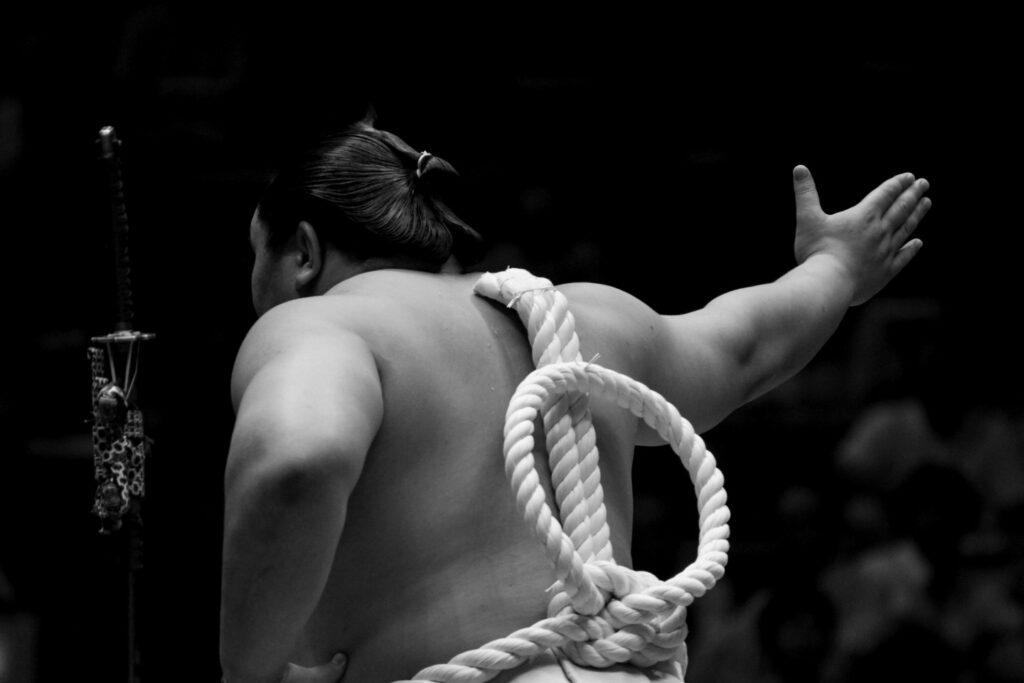
As introduced in the first installment of this sumo column series, promotions to Yokozuna and Ozeki are decided through meetings held after an official Grand Sumo Tournament, including the Banzuke-ranking meeting and meetings of the Nihon Sumo Kyokai (Japan Sumo Association) Board of Directors.
For promotion to Yokozuna, the process includes a recommendation by the Yokozuna Deliberation Council, followed by formal decisions within the Nihon Sumo Kyokai.
Sumo Column Vol.1: Yokozuna and the Banzuke in Grand Sumo
What Is the Yokozuna Deliberation Council?
The Yokozuna Deliberation Council is an advisory body that responds to consultations from the Nihon Sumo Kyokai and offers opinions on the recommendation of Yokozuna and other matters concerning the rank.
In the January 1950 tournament, all three Yokozuna at the time—Terukuni, Azumafuji, and Haguroyama—withdrew during the tournament, leading to growing criticism over the role and responsibilities of Yokozuna.
The Nihon Sumo Kyokai even considered a system under which a Yokozuna could be demoted to Ozeki based on performance. However, because of the long-established tradition and authority associated with the Yokozuna rank, this approach was reconsidered.
Against this background, the Yokozuna Deliberation Council was established in May 1950. Its members are outside experts appointed by the chairman of the Nihon Sumo Kyokai.
The council’s internal rules state that a wrestler recommended for Yokozuna should possess outstanding dignity and competitive ability, and that promotion is generally based on two consecutive tournament championships as an Ozeki or an equivalent level of achievement.
These are internal guidelines of the Yokozuna Deliberation Council and are distinct from the rules governing the Banzuke itself.
Reference
Material held by the Katsuragi City Sumo Museum “Kehayaza”
Sumo Daijiten (Encyclopedia of Sumo), written by Motoi Kanazashi, supervised by the Nihon Sumo Kyokai, Gendaishokan, January 2002
What Is a Promotion Ceremony?
When a wrestler is newly promoted to Yokozuna or Ozeki, the Nihon Sumo Kyokai normally sends two envoys—an association director and a judging committee member from the wrestler’s ichimon, a group of affiliated sumo stables—to the wrestler’s stable or another designated location to formally announce the promotion.
The wrestler and his stablemaster receive the formal message from the envoys. The wrestler then gives his own kojo: a formal acceptance expressing gratitude and his determination to continue training and improving in his new rank.
A Banzuke-ranking meeting is held within three days after the end of each official tournament, and promotions to Yokozuna, Ozeki, and Juryo, the second-highest division, are announced ahead of the full Banzuke release. When a wrestler is newly promoted to Yokozuna or Ozeki, a promotion ceremony is normally held.
There is one important exception. If an Ozeki records losing records in two consecutive tournaments and is demoted to Sekiwake, he can return to Ozeki by winning at least 10 bouts in the following tournament. Because this is considered a return to the rank rather than a new promotion, no envoys are sent for another promotion ceremony.
A recent example is Aonishiki, who won the July 2026 tournament with a 12–3 record as a Sekiwake and returned to Ozeki for the September tournament. Because this was a return to his former rank rather than a new promotion, no promotion ceremony was held.
The Kojo That Draws Attention at Promotion Ceremonies
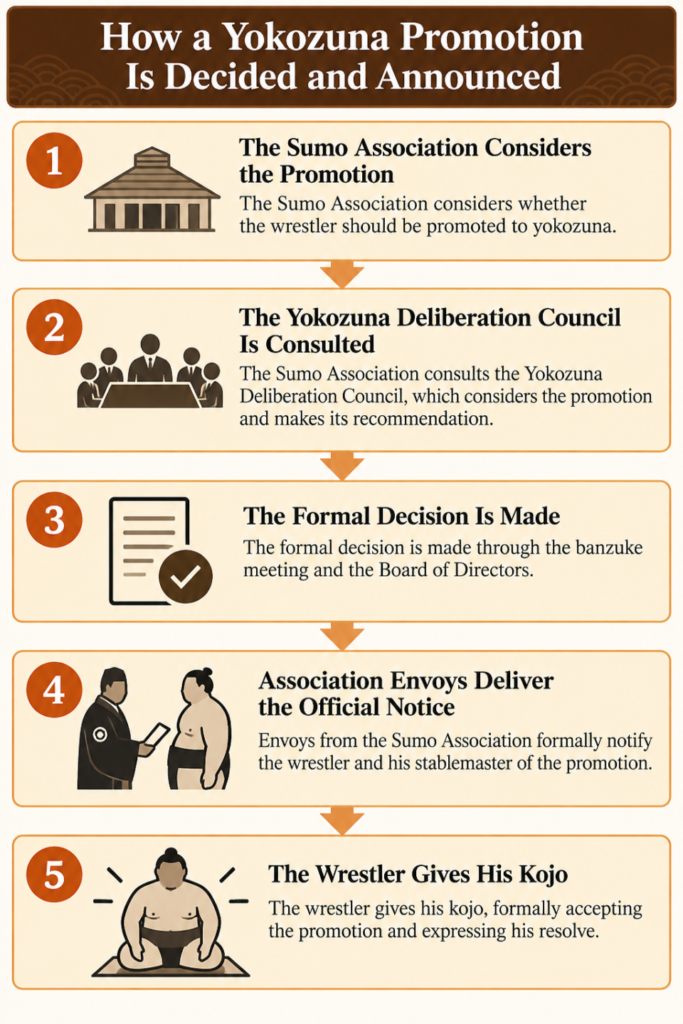
At a promotion ceremony, the envoys from the Nihon Sumo Kyokai formally announce the promotion. The wrestler then typically responds with words such as “Tsutsushinde o-uke itashimasu”—roughly, “I humbly accept”—before stating his determination for the future.
In his kojo, the newly promoted Yokozuna or Ozeki often speaks about continuing to train, living up to the dignity of the new rank, and dedicating himself to the path of sumo.
Today, the words chosen for a kojo often attract attention in their own right. In earlier periods, however, many wrestlers used much simpler language.
For example, when promoted to Ozeki, Wakanohana I simply said, “I gratefully accept,” while Taiho said, “I am happy to accept. I will continue to do my best.”
Over the years, wrestlers have used expressions such as isshokenmei (“with complete dedication”), shojin (“devotion to continued improvement”), shingitai (“mind, technique, and body”), and sumo-do (“the way of sumo”), as well as phrases expressing a determination not to dishonor the name of Yokozuna.
The actual kojo delivered by the 75th Yokozuna, Onosato, can be seen in the official Nihon Sumo Kyokai YouTube video, “The Birth of the 75th Yokozuna! Onosato Yokozuna Promotion Ceremony Digest / SUMO”.
About Promotion to Yokozuna
There are several theories concerning the origins of the Yokozuna tradition. In the historical lineage recognized by the Nihon Sumo Kyokai, Akashi Shiganosuke is counted as the first Yokozuna, while Onosato Daiki is the 75th.
A major milestone in the development of the modern Yokozuna tradition came in 1789, when the Yoshida Tsukasa family granted Yokozuna licenses to Tanikaze Kajinosuke and Onogawa Kisaburo.
At that time, Yokozuna was not yet the highest rank on the Banzuke as it is today. It was closer to a special title that permitted a wrestler to wear the ceremonial white rope and perform a distinctive ring-entering ceremony.
The status of Yokozuna gradually evolved. From 1890, the word “Yokozuna” began to appear on the Banzuke, and in 1909 it was formally recognized as the highest rank in professional sumo.
Today, a Yokozuna is expected to possess not only exceptional strength and competitive results, but also dignity.
The usual benchmark for promotion is two consecutive tournament championships as an Ozeki, or an equivalent level of performance. A wrestler may therefore still be promoted without winning two consecutive tournaments if his overall results and performance are judged to be of an equivalent standard.
Even so, consecutive championships have remained one of the most important benchmarks in decisions over Yokozuna promotion.
From the 63rd Yokozuna, Asahifuji, through the 70th, Harumafuji, eight consecutive wrestlers were promoted after winning two tournaments in a row as Ozeki.
More recently, the 75th Yokozuna, Onosato, won the March and May 2025 tournaments consecutively before earning promotion to Yokozuna.
There have also been rare cases since the individual championship system began in 1909 in which wrestlers were promoted to Yokozuna without having previously won a top-division championship.
The 30th Yokozuna, Nishinoumi III, the 38th Yokozuna Terukuni, and the 60th Yokozuna Futahaguro had not won a top-division championship at the time of their Yokozuna promotions.
Nishinoumi and Terukuni later won championships as Yokozuna. Futahaguro, however, retired without ever winning a top-division championship, making his case especially unusual in Yokozuna history.
Wrestlers Promoted to Yokozuna Immediately After Two Consecutive Championships as Ozeki
The following wrestlers won two consecutive tournaments as Ozeki and were promoted to Yokozuna immediately afterward.
- 22nd Yokozuna Tachiyama — June 1910 and February 1911
- 27th Yokozuna Tochigiyama — May 1917 and January 1918
- 35th Yokozuna Futabayama — January and May 1937
- 44th Yokozuna Tochinishiki — May and September 1954
- 48th Yokozuna Taiho — July and September 1961
- 52nd Yokozuna Kitanofuji — November 1969 and January 1970
- 53rd Yokozuna Kotozakura — November 1972 and January 1973
- 63rd Yokozuna Asahifuji — May and July 1990
- 64th Yokozuna Akebono — November 1992 and January 1993
- 65th Yokozuna Takanohana — September and November 1994
- 66th Yokozuna Wakanohana — March and May 1998
- 67th Yokozuna Musashimaru — March and May 1999
- 68th Yokozuna Asashoryu — November 2002 and January 2003
- 69th Yokozuna Hakuho — March and May 2007
- 70th Yokozuna Harumafuji — July and September 2012
- 75th Yokozuna Onosato — March and May 2025
Four-Character Expressions Used in Yokozuna Promotion Kojo
Yokozuna promotion kojo sometimes include four-character idioms or other four-character expressions that symbolize the wrestler’s determination.
| Yokozuna | Year | Expression Used in the Kojo | Meaning |
|---|---|---|---|
| 58th Yokozuna Chiyonofuji Mitsugu | 1981 | Isshokenmei (一生懸命) | To devote oneself wholeheartedly and give one’s full effort |
| 61st Yokozuna Hokutoumi Nobuyoshi | 1987 | Isshokenmei (一生懸命) | To devote oneself wholeheartedly and give one’s full effort |
| 62nd Yokozuna Onokuni Yasushi | 1987 | Isshokenmei (一生懸命) | To devote oneself wholeheartedly and give one’s full effort |
| 65th Yokozuna Takanohana Koji | 1994 | Futo Fukutsu (不撓不屈) / Fushaku Shinmyo (不惜身命) | An unyielding spirit in the face of hardship / To devote oneself completely, without sparing oneself |
| 66th Yokozuna Wakanohana Masaru | 1998 | Kennin Fubatsu (堅忍不抜) | Remaining firm and persevering without giving in to hardship |
| 68th Yokozuna Asashoryu Akinori | 2003 | Isshokenmei (一生懸命) | To devote oneself wholeheartedly and give one’s full effort |
| 69th Yokozuna Hakuho Sho | 2007 | Seishin Itto (精神一到) | The idea that wholehearted concentration can overcome even great difficulty |
| 70th Yokozuna Harumafuji Kohei | 2012 | Zenshin Zenrei (全身全霊) | To devote all of one’s physical and mental strength |
| 71st Yokozuna Kakuryu Rikisaburo | 2014 | Isshokenmei (一生懸命) | To devote oneself wholeheartedly and give one’s full effort |
| 74th Yokozuna Hoshoryu Tomokatsu | 2025 | Kihaku Issen (気魄一閃) | A fierce, unwavering determination to move forward |
| 75th Yokozuna Onosato Daiki | 2025 | Yuiitsu Muni (唯一無二) | One and only; something with no equal or substitute |
The Determination Behind Each Kojo
Four-character expressions such as isshokenmei have appeared in promotion kojo for many years.
Later examples such as Takanohana’s futo fukutsu and fushaku shinmyo, and Wakanohana’s kennin fubatsu, drew attention to the way a wrestler could use a distinctive phrase to express his own determination.
Four-character expressions are not the only language used in these ceremonies. Phrases such as shingitai (“mind, technique, and body”), sumo-do (“the way of sumo”), “not to dishonor the name of Yokozuna,” and shojin (“to devote oneself to continued improvement”) have also long appeared in promotion kojo.
For example, Nishonoseki Oyakata, the stablemaster of the 75th Yokozuna Onosato and himself the former Yokozuna Kisenosato, said at his Ozeki promotion, “I will devote myself to training so as not to dishonor the name of Ozeki.”
When he was promoted to Yokozuna, he said, “I will devote myself to training so as not to dishonor the name of Yokozuna.”
Some wrestlers choose distinctive or elaborate expressions, while others place their determination into only a few simple words. A kojo can therefore reveal something about how each wrestler intends to approach the responsibilities of his new rank.
What Words Will the Next Yokozuna Choose?
This installment of the sumo column has explored Yokozuna promotion ceremonies and the kojo delivered by wrestlers when they accept the rank.
At the September 2026 tournament, Yokozuna Onosato defeated Ozeki Aonishiki on the final day to win the championship.
At his own promotion ceremony, Onosato said that he would aim to become a “yuiitsu muni” (唯一無二), or one-of-a-kind, Yokozuna. Looking back at those words offers another perspective on the responsibility and determination that come with sumo’s highest rank.
When the next Yokozuna is promoted, what words will he choose for his kojo?
Beyond wins, losses, and changes in the Banzuke, the words a wrestler chooses can offer another way to understand the determination behind his promotion.
The next installment, “The Kojo at Yokozuna and Ozeki Promotion Ceremonies — Part 2,” will turn to promotion ceremonies and kojo for the rank of Ozeki.
Previous Sumo Columns
Traveler’s Tips
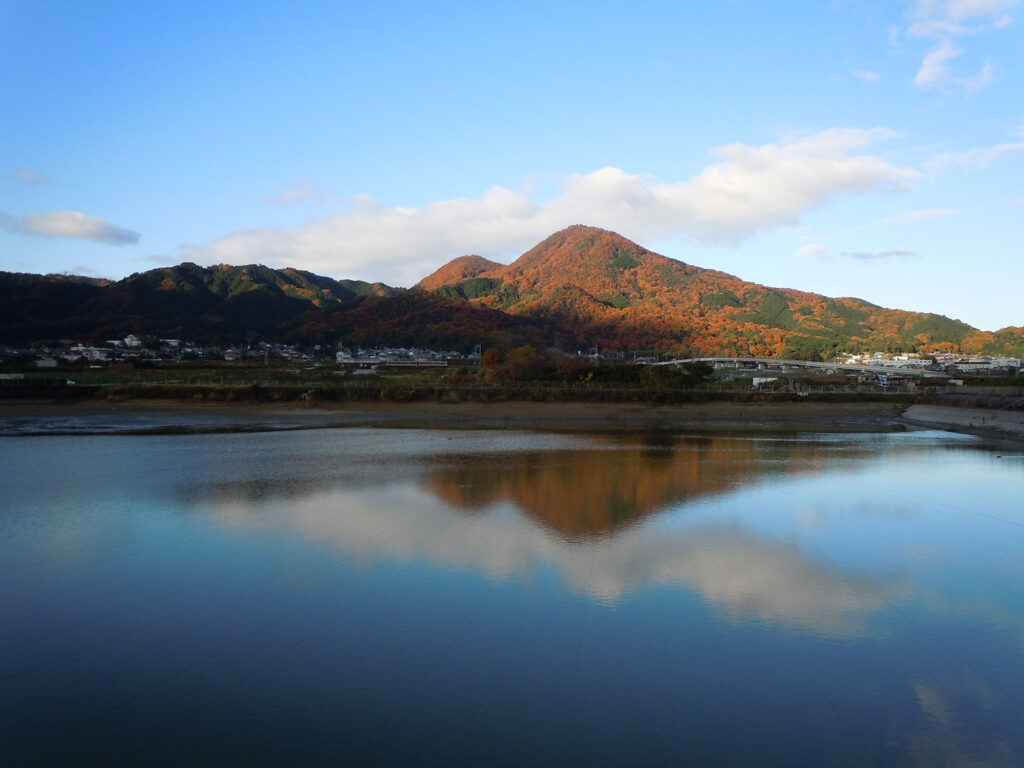
Why Is Katsuragi Connected to Sumo?
Katsuragi is home to the legend of Taima no Kehaya (當麻蹶速), a figure associated with traditions surrounding the origins of sumo.
The Nihon Shoki (Chronicles of Japan), compiled in the 8th century, tells of a contest of strength held before Emperor Suinin between Taima no Kehaya of ancient Yamato and Nomi no Sukune (野見宿禰), who was summoned from Izumo.
This tradition is one of the reasons Katsuragi has a deep connection with sumo. Today, visitors can learn about the legend of Taima no Kehaya and the history and culture of sumo at the Katsuragi City Sumo Museum “Kehayaza.”
Interested in Learning More About Sumo?

At the Katsuragi City Sumo Museum “Kehayaza,” visitors can explore the history and culture of sumo through exhibits and historical materials.
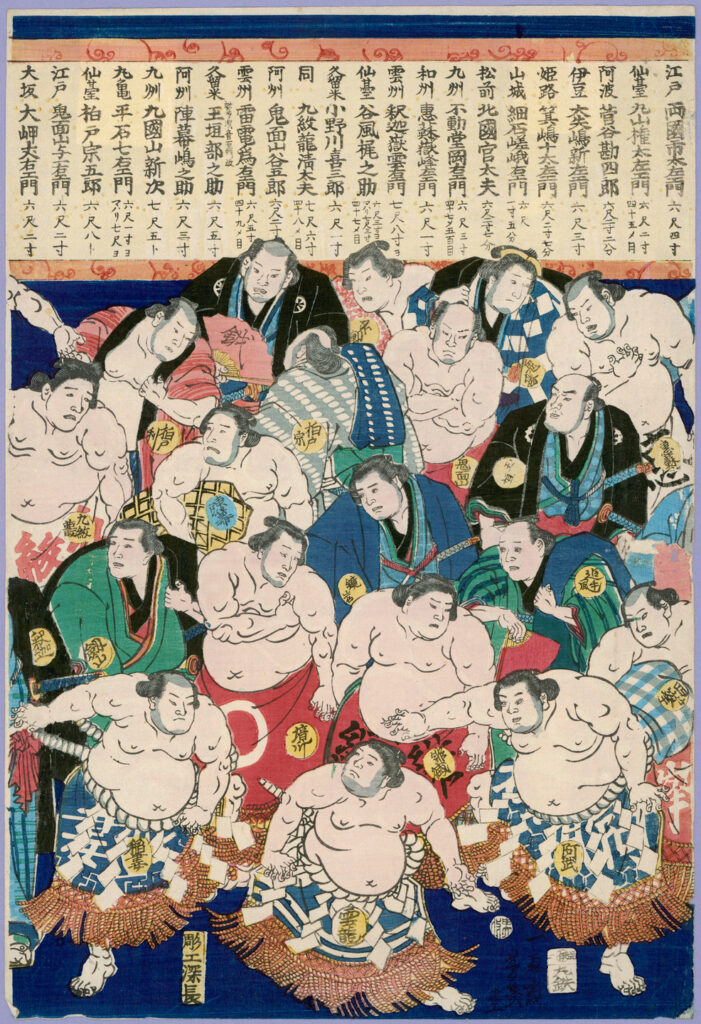
The museum has a full-size display dohyo (sumo ring), the same size as those used in Grand Sumo tournaments, and visitors are allowed to step onto it. Its collection also includes more than 13,000 sumo-related items, including banzuke, win-loss records, and books.
Seeing an actual banzuke can help visitors connect what they have read in this article with the real-world traditions of sumo.
Katsuragi City Sumo Museum “Kehayaza” is about a 5-minute walk from Taima-dera Station on the Kintetsu Minami Osaka Line, making it an easy place to visit while exploring Katsuragi.
HOME » New & Now » Sumo Column Vol. 4: What Is Kojo? Words Spoken at Yokozuna and Ozeki Promotion Ceremonies — Part 1