%20--%3e%3csvg%20version='1.1'%20id='レイヤー_1'%20xmlns='http://www.w3.org/2000/svg'%20xmlns:xlink='http://www.w3.org/1999/xlink'%20x='0px'%20y='0px'%20viewBox='0%200%2077.4%2077.4'%20style='enable-background:new%200%200%2077.4%2077.4;'%20xml:space='preserve'%3e%3cstyle%20type='text/css'%3e%20.st0{fill:%23D1181B;}%20.st1{fill:%23FFFFFF;}%20%3c/style%3e%3ctitle%3elogo_b%3c/title%3e%3cdesc%3eCreated%20with%20Sketch.%3c/desc%3e%3cpath%20id='Fill-34'%20class='st0'%20d='M26.7,56.1c-2,2-5.2,2-7.2,0c-2-2-2-5.2,0-7.2c2-2,5.2-2,7.2,0C28.6,50.9,28.6,54.1,26.7,56.1'/%3e%3cpath%20id='Fill-35'%20class='st1'%20d='M54.8,30.3H22.9l5.8-10.1H49L54.8,30.3z%20M64.4,20.1c-1.1-1.6-2.4-3-3.8-4.4H16.8%20c-1.4,1.3-2.7,2.8-3.8,4.4h10.4L8,46.8c0.5,2,1.2,3.9,2.1,5.7l10.3-17.9c0.1,0.1,0.3,0.2,0.5,0.2h36.4l10,17.4%20c0.9-1.8,1.5-3.8,2-5.8L54.3,20.1H64.4z'/%3e%3cpath%20id='Fill-36'%20class='st1'%20d='M38.7,7C21.2,7,7,21.2,7,38.7s14.2,31.7,31.7,31.7s31.7-14.2,31.7-31.7S56.2,7,38.7,7%20M38.7,77.4%20C17.4,77.4,0,60.1,0,38.7S17.4,0,38.7,0s38.7,17.4,38.7,38.7S60.1,77.4,38.7,77.4'/%3e%3c/svg%3e)
Explore a Full-Sized Sumo Ring and Thousands of Sumo-Related Materials
Katsuragi City Sumo Museum "Kehaya-za," located in Katsuragi City, Nara Prefecture, opened in May 1990 to honor Taima no Kehaya, a figure mentioned in the Nihon Shoki (Chronicles of Japan) and associated with one of the oldest legends concerning the origins of sumo. Katsuragi City is known as the birthplace of sumo.
The museum features a sumo ring (dohyo) built to the same dimensions as those used in professional sumo tournaments, and visitors are free to step onto it.
The museum also houses a large collection of sumo-related materials and regularly holds special exhibitions.
Full-Sized Sumo Ring and Hands-On Experiences
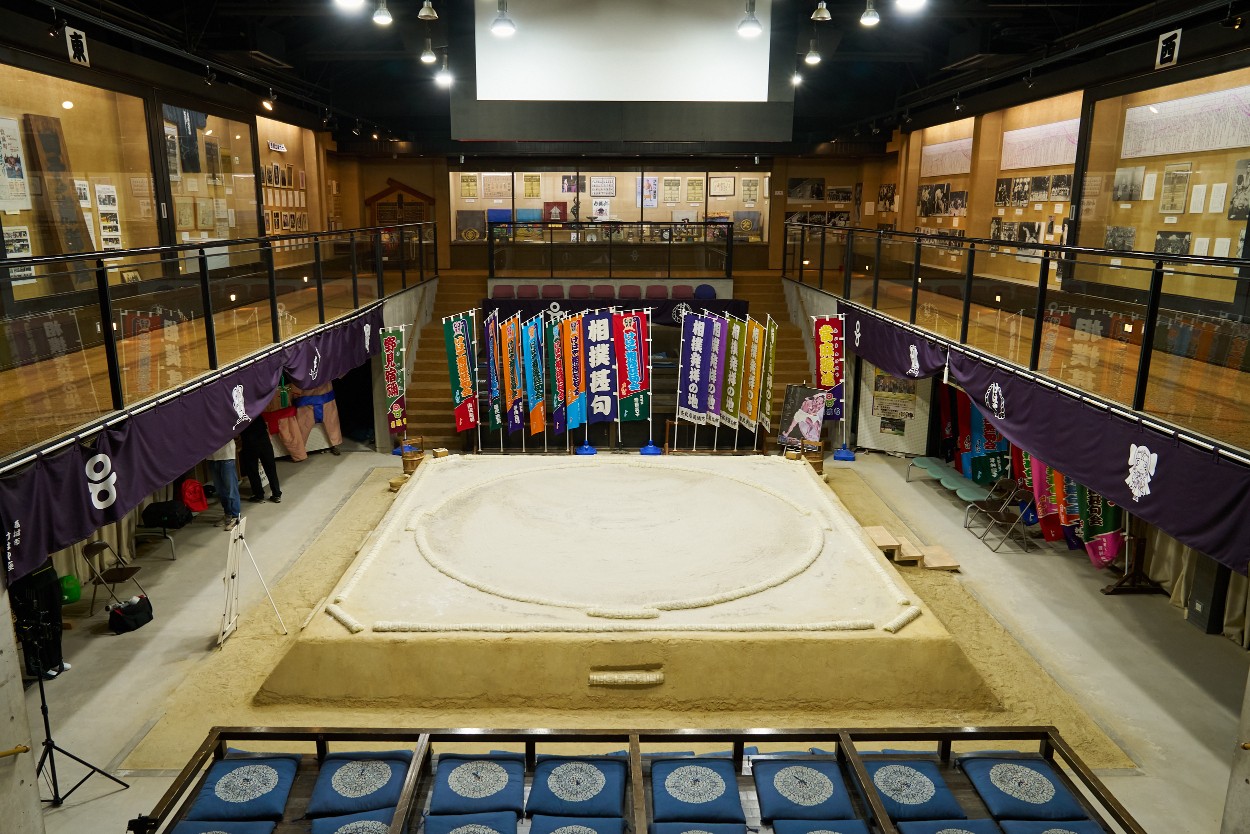
Inside Katsuragi City Sumo Museum "Kehaya-za," there is a sumo ring built to the same dimensions as those used in professional sumo tournaments.
In professional sumo, the ring is traditionally regarded as a sacred space, and access is generally limited to authorized individuals, such as sumo wrestlers and referees.
However, the ring at Kehaya-za is for exhibition use, so visitors of all ages and genders may step onto it without removing their shoes.
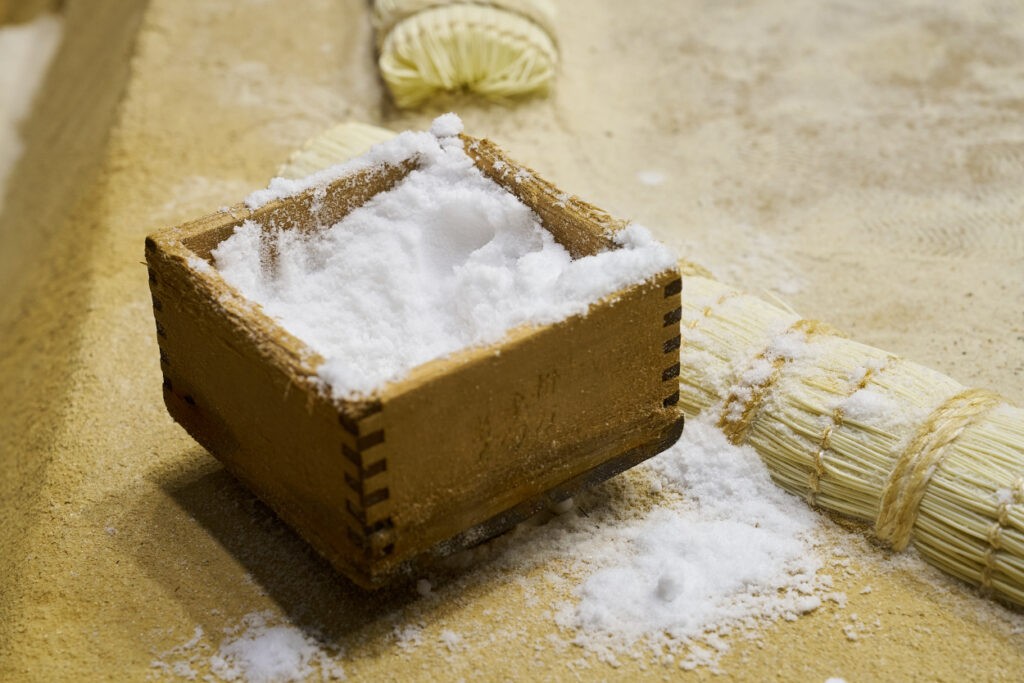
Visitors can enjoy the following experiences on the sumo ring inside Kehaya-za:
- Step onto the sumo ring
- Throw salt onto the ring
- Try on a costume or a sumo mawashi
Traditional sumo folk songs known as Sumo Jinku are played inside the museum, and the facility also features replica masu box-seat areas similar to those found in professional sumo venues.
Together, these features offer visitors an immersive introduction to the world of sumo.
Collection and Exhibitions
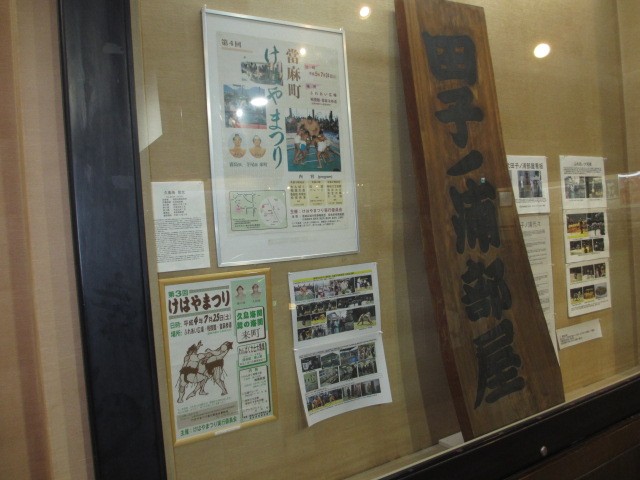
The collection at Katsuragi City Sumo Museum "Kehaya-za" includes more than 13,000 sumo-related items, primarily based on materials donated in 1991 by the family of the late Hisashi Fujita.
Of these materials, around 1,000 items are on permanent display, including examples such as the following:
- Materials tracing the history of sumo
- Materials related to sumo wrestlers from Nara Prefecture
- Ceremonial aprons known as kesho-mawashi, worn by yokozuna, the highest-ranked sumo wrestlers
Special Exhibitions
In addition to its permanent exhibitions, the museum also holds limited-time special exhibitions.
These special exhibitions present related materials based on specific themes.
Examples of past special exhibition themes:
- Wrestlers' hands (Wrestlers' Handprint Exhibition)
- Yokozuna (Exhibition of Yokozuna Through the Ages)
For the latest information on special exhibitions, please check Katsuragi City Event Information.
Museum Catalog
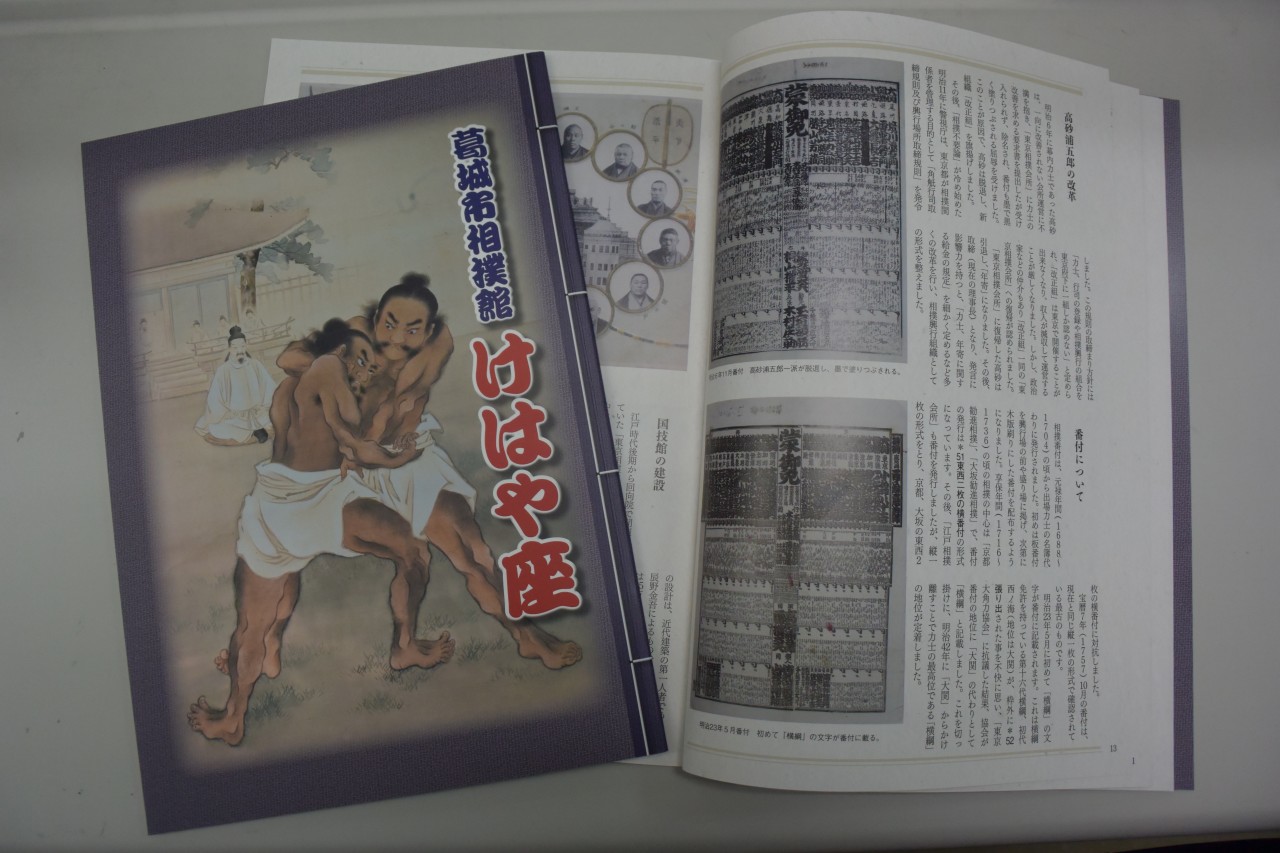
The museum catalog Katsuragi City Sumo Museum Kehaya-za, featuring 169 items from the museum's collection, is available at the reception desk for 300 yen.
The catalog explains the history of sumo from its origins to the present day, together with related materials.
If you would like to purchase the catalog remotely, please contact the museum.
Donations of Sumo-Related Materials
Katsuragi City Sumo Museum "Kehaya-za" accepts donations of sumo-related materials to help further promote sumo culture.
Please note that the museum may not be able to accept some items depending on their content or condition.
If you are considering donating sumo-related materials, please contact Katsuragi City Sumo Museum "Kehaya-za" in advance.
Tourist Information Center and Rest Area
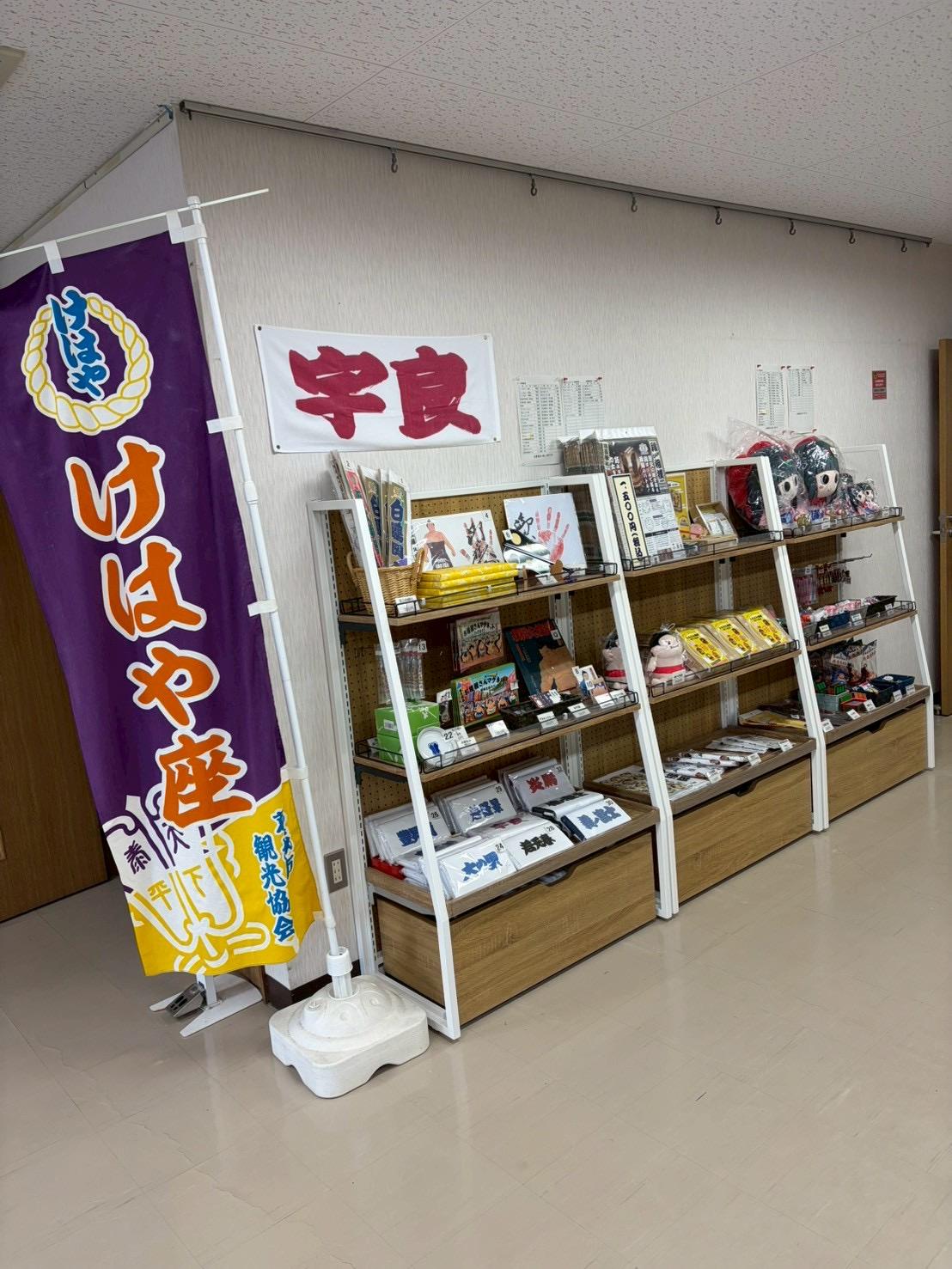
The area from the first-floor entrance hall to the reception desk at Katsuragi City Sumo Museum "Kehaya-za" serves as a rest area.
Tourist brochures for Katsuragi City, along with sightseeing maps for Nara Prefecture and nearby municipalities, are available here, and the facility also serves as a tourist information center.
Members of the Katsuragi City Volunteer Tourist Guide Association are available on Saturdays and Sundays.
During the summer, the facility also serves as a designated heat refuge (cooling shelter).
Sumo Merchandise and Renka-chan Goods
Sumo merchandise and goods featuring Renka-chan, Katsuragi City's official mascot, are also available for purchase.
They can be purchased at the reception desk.
*At present, payment is accepted in cash only. Credit cards, QR code payments, electronic money, and other cashless payment methods are not supported.
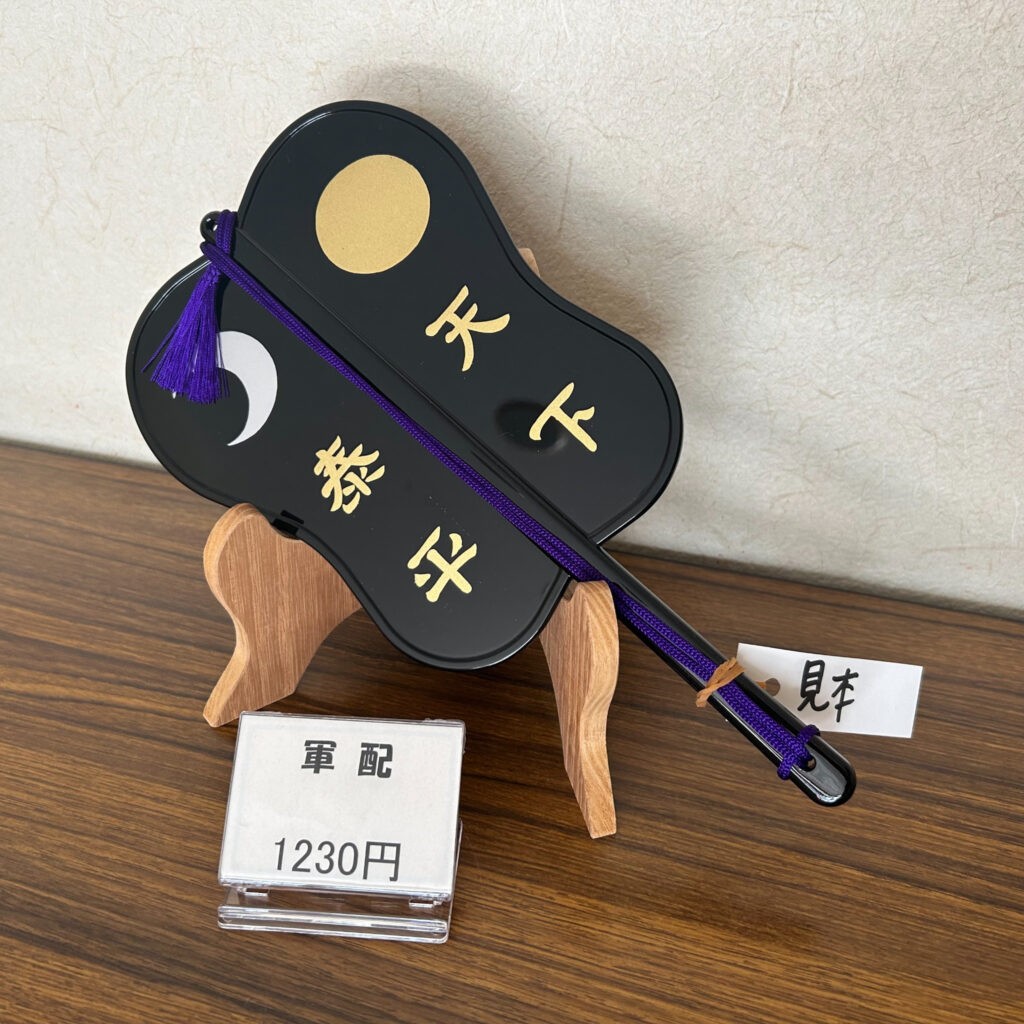
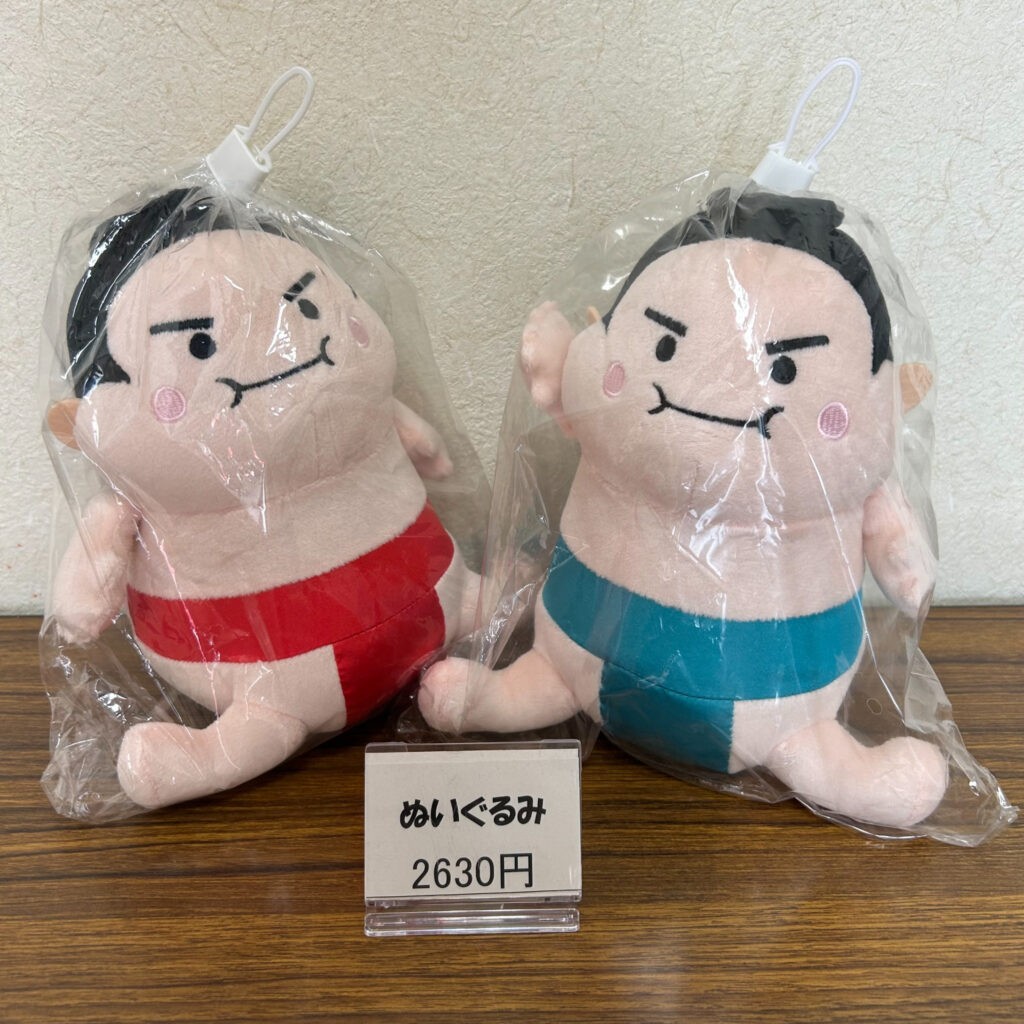
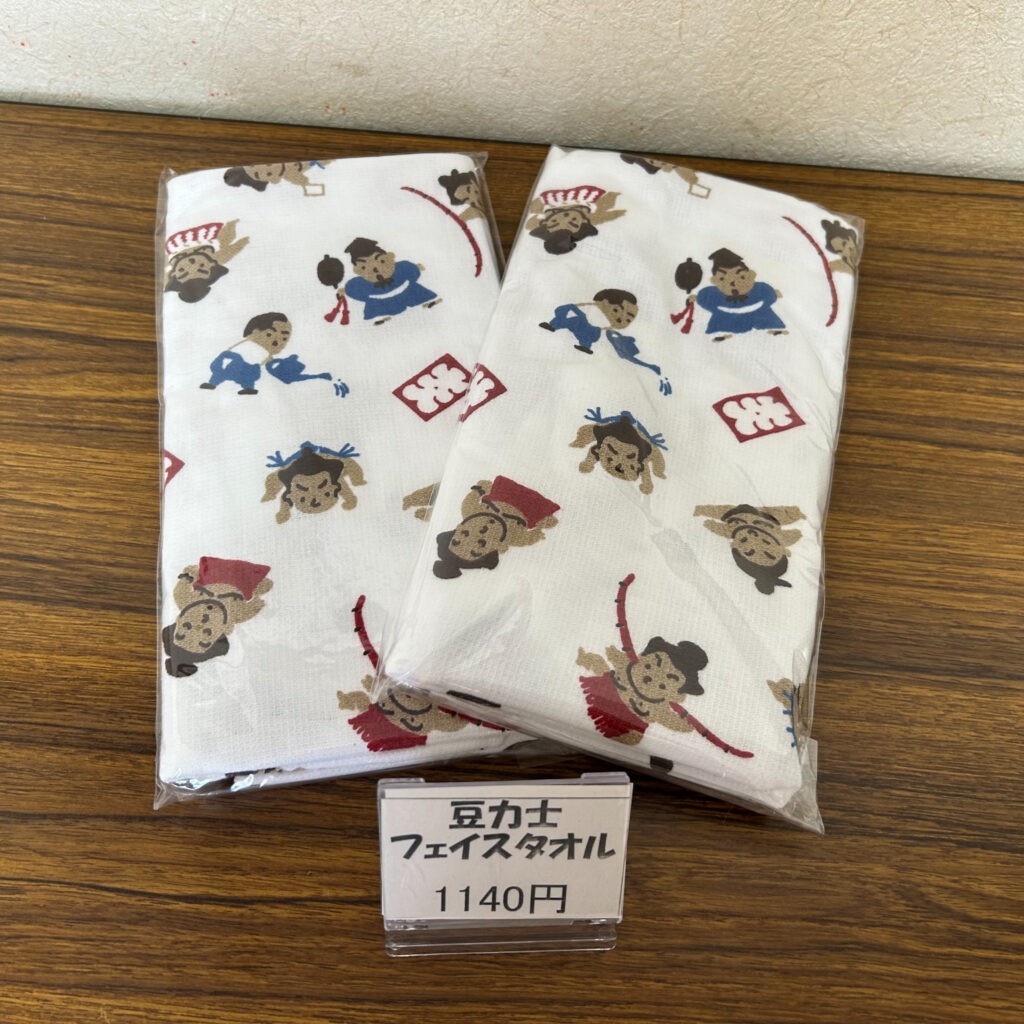
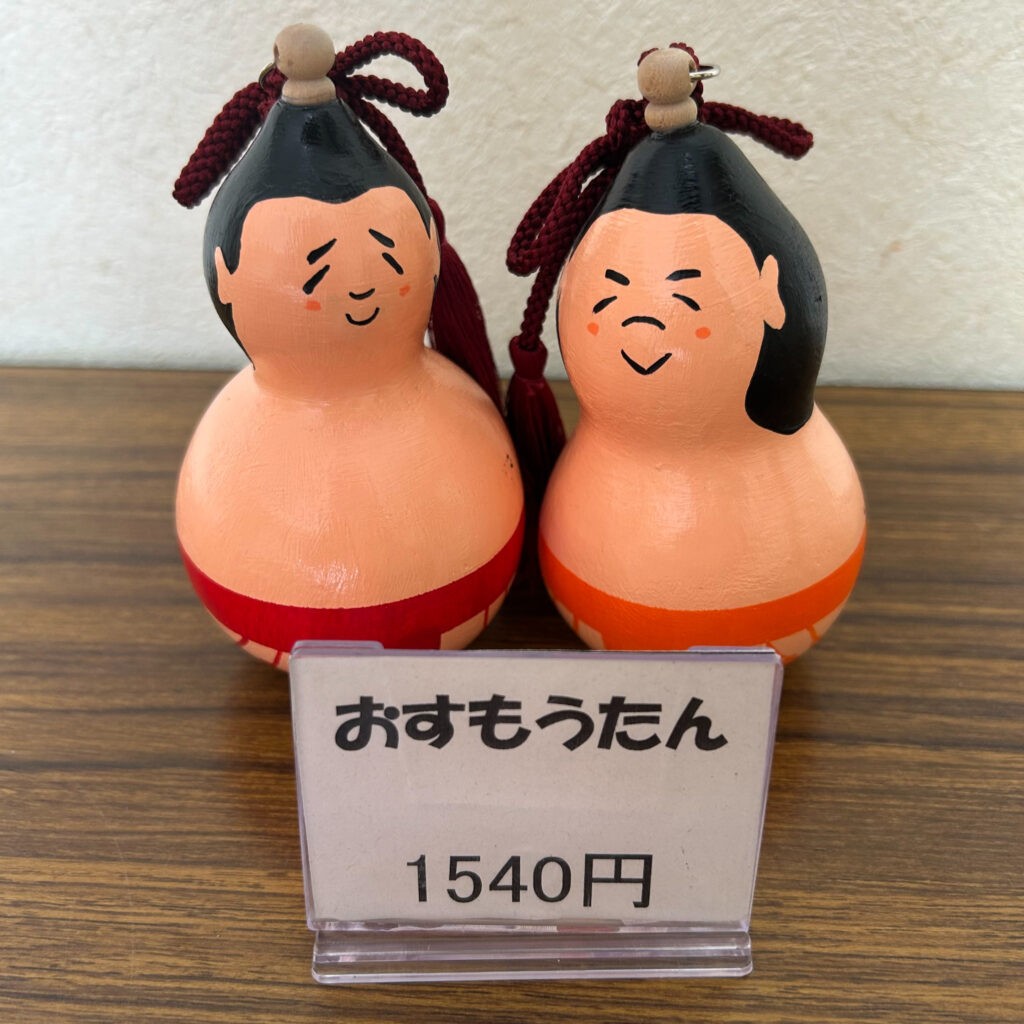
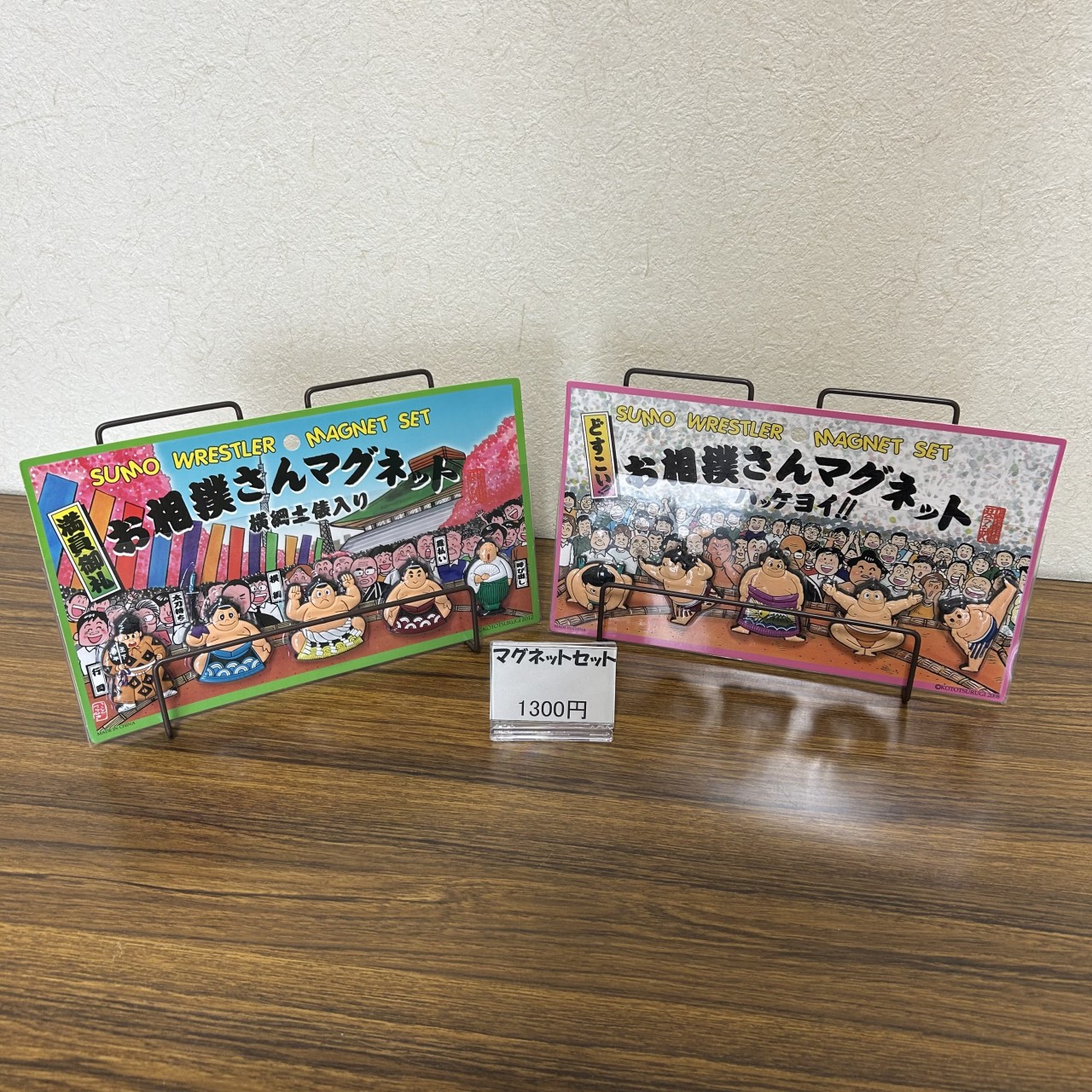
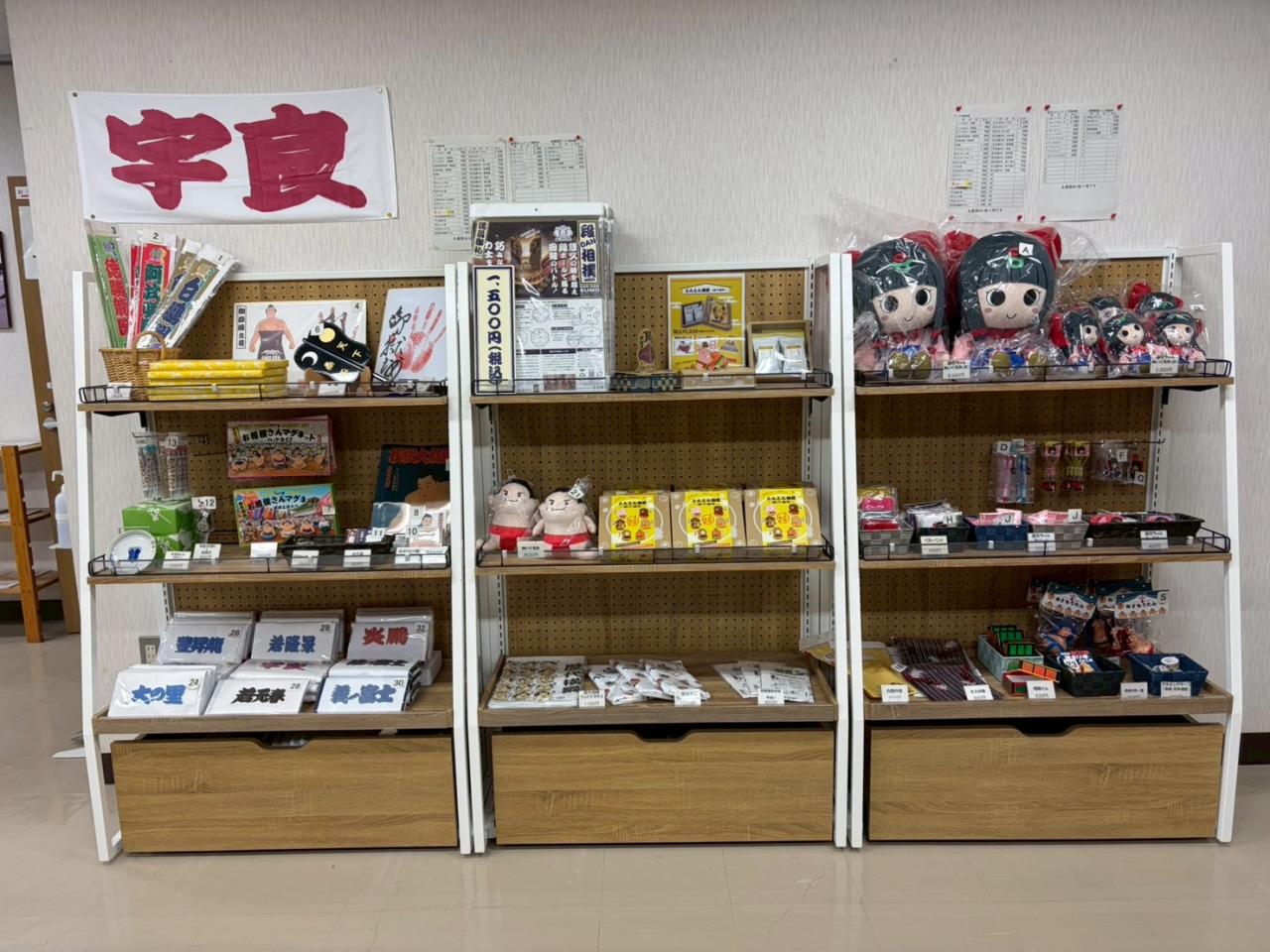
- Handprint shikishi board: 370 yen
- Mini nobori banner: 780 yen
- Handprint nail clipper & bottle opener: 880 yen
- Sumo wrestler mechanical pencil: 450 yen
- Sumo wrestler ballpoint pen: 450 yen
- Playing cards: 1,500 yen
- Small gift envelopes: 340 yen
- Mame-rikishi sticky notes: 550 yen
- Sumo health exercise tenugui towel: 600 yen
- Small plate set: 1,200 yen
- Masking tape: 350 yen
- Cheering towel: 1,300 yen
- Magnet set: 750 yen
Many other sumo-related goods are also available.
*Please note that some items may be out of stock depending on availability.
Visitor Information
Access
Katsuragi City Sumo Museum "Kehaya-za" is accessible by car or train.
By Car: Approximate Travel Time to Katsuragi City Sumo Museum "Kehaya-za"
- From Kansai International Airport: about 45 minutes via the Hanwa Expressway
- From Nara City: about 60 minutes via the Keinawa Expressway
- From Osaka City: about 60 minutes via the Hanshin Expressway
- From Kyoto City: about 75 minutes via the Daini-Keihan Road
By Train: Approximate Travel Time to the Nearest Station, Taimadera Station (F21)
- From Osaka Abenobashi Station (F01): about 35 minutes
- From Kintetsu Nara Station (A28): about 70 minutes
- From Kansai-Airport Station (NK32, JR-S47): about 70 minutes
For details, please see Access to Katsuragi City.
Temporary Exclusive Use
Katsuragi City Sumo Museum "Kehaya-za" may occasionally be reserved for group tours, events, and other purposes.
Please contact the museum in advance before visiting.
Municipal Taima Tourist Parking Lot
The Municipal Taima Tourist Parking Lot is located about a 2-minute walk from Katsuragi City Sumo Museum "Kehaya-za."
Parking fees are as follows:
- Bus: 2,080 yen
- Standard passenger car: 620 yen
- Motorcycle: 300 yen
*Visitors to Katsuragi City Sumo Museum "Kehaya-za" are eligible for a reduced parking fee and can use the lot at half price.
Multilingual Support
As a general rule, museum staff speak Japanese only. Multilingual visitor guide tablets are available for visitors.
Languages Supported by the Visitor Guide Tablets:
- Japanese
- English
- French
- Traditional Chinese
- Simplified Chinese
- Korean
The visitor guide tablets are available free of charge.
If you would like to use one, please ask at the reception desk.