%20--%3e%3csvg%20version='1.1'%20id='レイヤー_1'%20xmlns='http://www.w3.org/2000/svg'%20xmlns:xlink='http://www.w3.org/1999/xlink'%20x='0px'%20y='0px'%20viewBox='0%200%2077.4%2077.4'%20style='enable-background:new%200%200%2077.4%2077.4;'%20xml:space='preserve'%3e%3cstyle%20type='text/css'%3e%20.st0{fill:%23D1181B;}%20.st1{fill:%23FFFFFF;}%20%3c/style%3e%3ctitle%3elogo_b%3c/title%3e%3cdesc%3eCreated%20with%20Sketch.%3c/desc%3e%3cpath%20id='Fill-34'%20class='st0'%20d='M26.7,56.1c-2,2-5.2,2-7.2,0c-2-2-2-5.2,0-7.2c2-2,5.2-2,7.2,0C28.6,50.9,28.6,54.1,26.7,56.1'/%3e%3cpath%20id='Fill-35'%20class='st1'%20d='M54.8,30.3H22.9l5.8-10.1H49L54.8,30.3z%20M64.4,20.1c-1.1-1.6-2.4-3-3.8-4.4H16.8%20c-1.4,1.3-2.7,2.8-3.8,4.4h10.4L8,46.8c0.5,2,1.2,3.9,2.1,5.7l10.3-17.9c0.1,0.1,0.3,0.2,0.5,0.2h36.4l10,17.4%20c0.9-1.8,1.5-3.8,2-5.8L54.3,20.1H64.4z'/%3e%3cpath%20id='Fill-36'%20class='st1'%20d='M38.7,7C21.2,7,7,21.2,7,38.7s14.2,31.7,31.7,31.7s31.7-14.2,31.7-31.7S56.2,7,38.7,7%20M38.7,77.4%20C17.4,77.4,0,60.1,0,38.7S17.4,0,38.7,0s38.7,17.4,38.7,38.7S60.1,77.4,38.7,77.4'/%3e%3c/svg%3e)
Wakayama, terre paisible où la culture et les bienfaits naturels de la mer, de la montagne et des rivières s'entremêlent.
Des montagnes généreuses, une mer où la vie abonde, des cours d'eau et leurs sources thermales : nombreux sont les lieux magiques à visiter à Wakayama.En tête de liste, le mont Kōya et Kumanosanzan (les trois sanctuaires principaux de Kumano), qui firent leur entrée au patrimoine mondial en 2004 en tant que « Lieux sacrés et routes de pèlerinage des montagnes de la province de Kii ».
La ville de Wakayama est accessible en une quarantaine de minutes à partir de l'aéroport international du Kansai. Il est également possible de se rendre dans le sud du département par vol direct à partir de l'aéroport de Tōkyō Haneda jusqu'à celui de Nanki-Shirahama.
Les autoroutes faisant le tour de la province de Kii sont bien entretenues et offrent un très bon accès aux endroits importants.
La région du mont Kōya
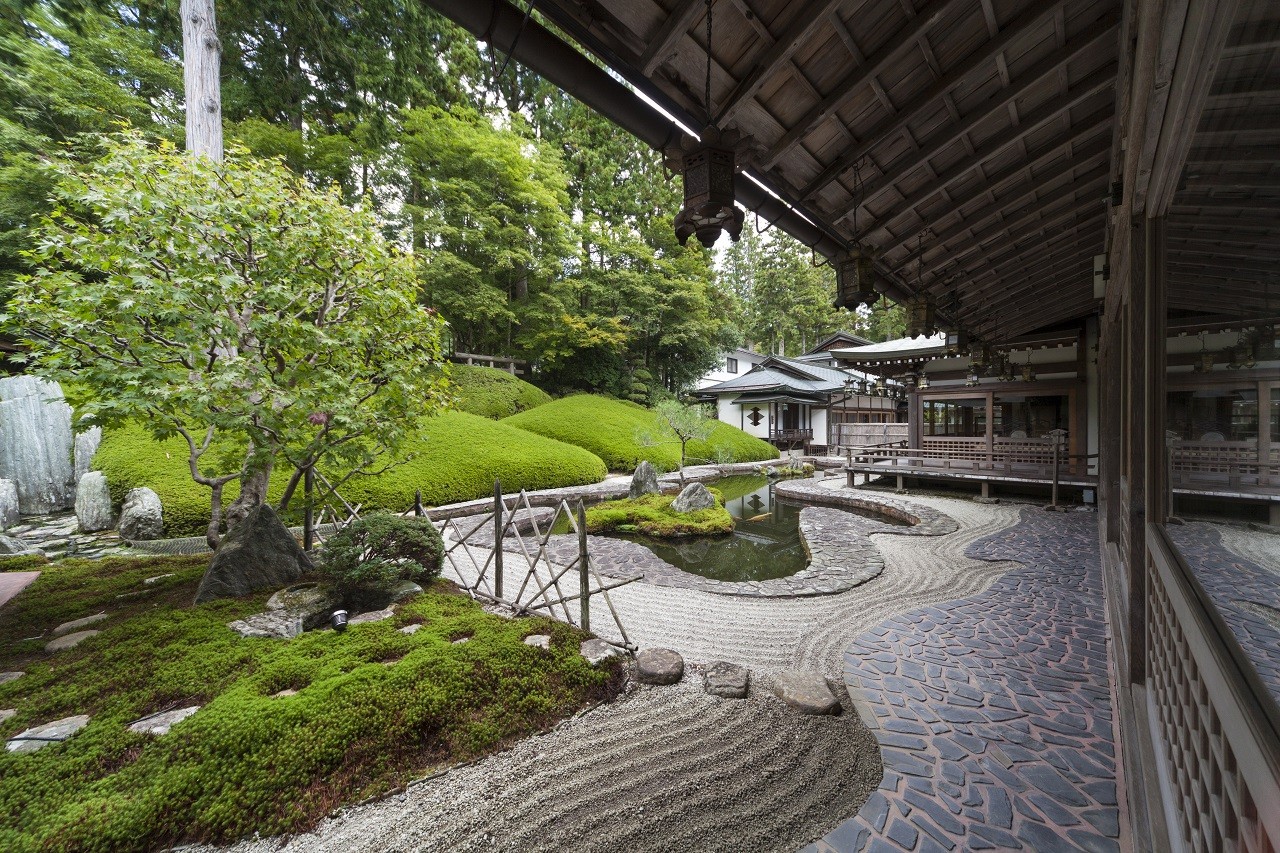
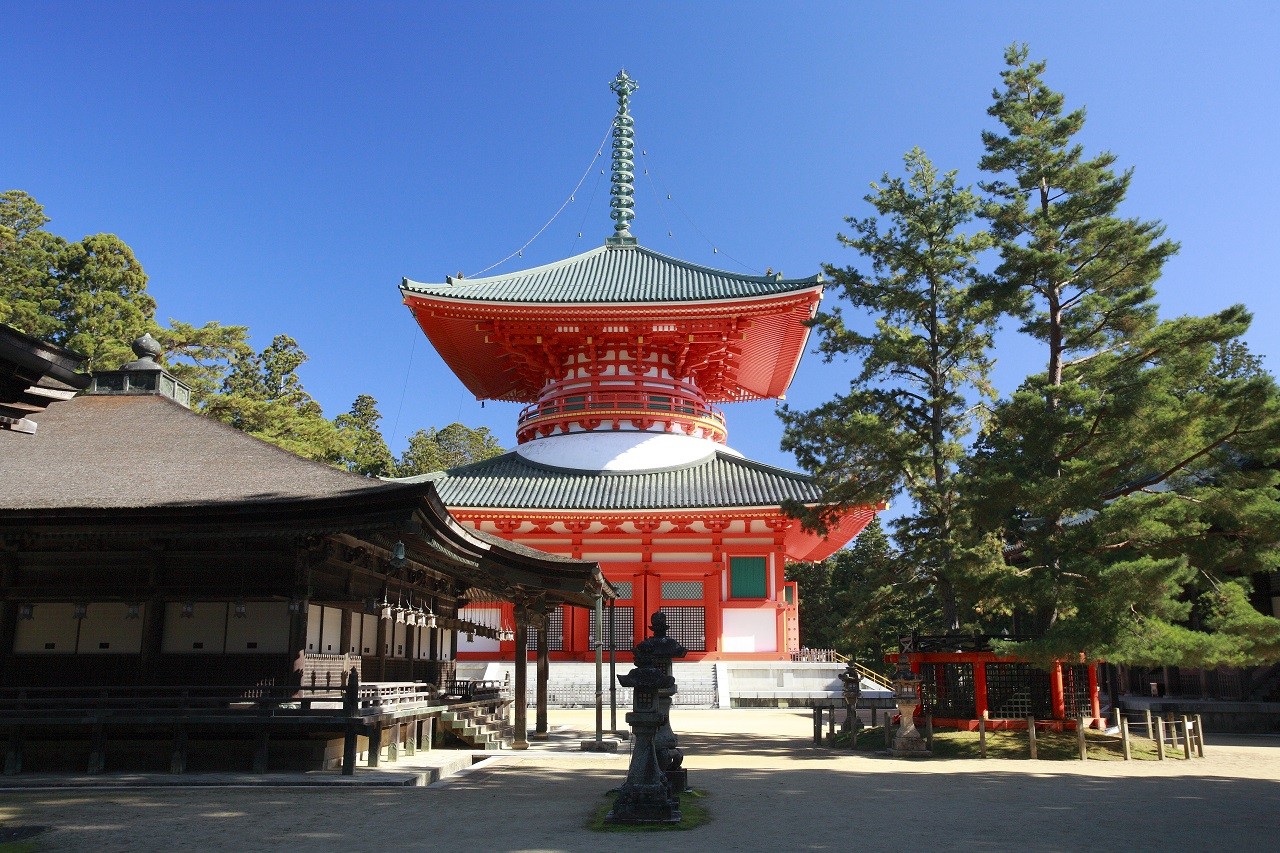 Le mont Kōya est une terre sacrée pour l'école bouddhiste ésotérique Shingon. Fondée par le moine Kūkai, plus connu sous le nom de Kōbō-Daishi, il en fit son lieu d'exercice.
Ses deux principaux lieux de cultes, le Danjō Garan et le Okuno-in, ont assemblé de nombreux croyants depuis. Il est dit que Kōbō-Daishi y médite encore aujourd'hui, plus de 1 200 ans après la fondation du temple, et qu'il y prie pour le bonheur de tous et pour un monde en paix.
117 temples sont présents sur l'étendue de la montagne, dont 51 équipés pour accueillir et loger les visiteurs.
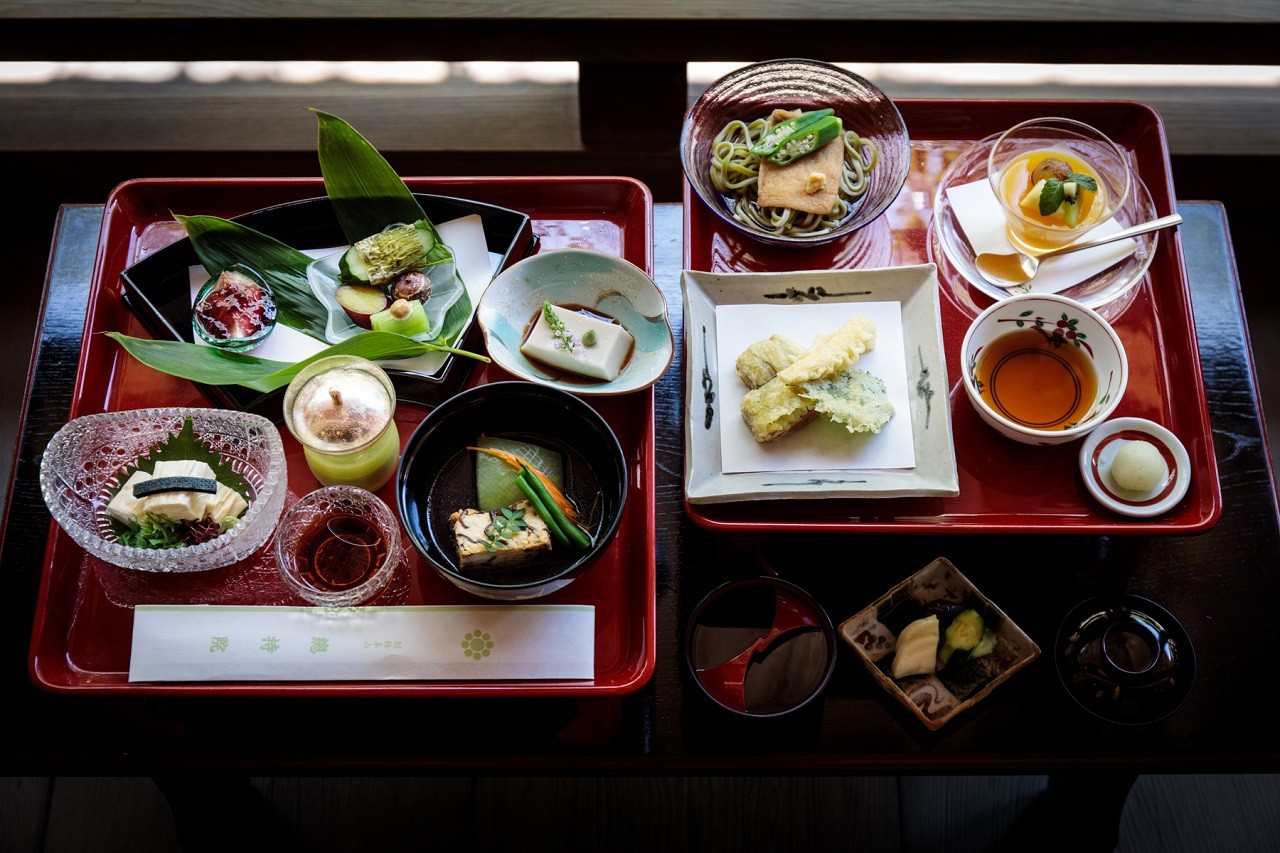
Assister au service matinal, pratiquer l'ajikan (méditation de l'école Shingon) et déguster la cuisine végétarienne des temples font partie des expériences uniques à faire au mont Kōya.
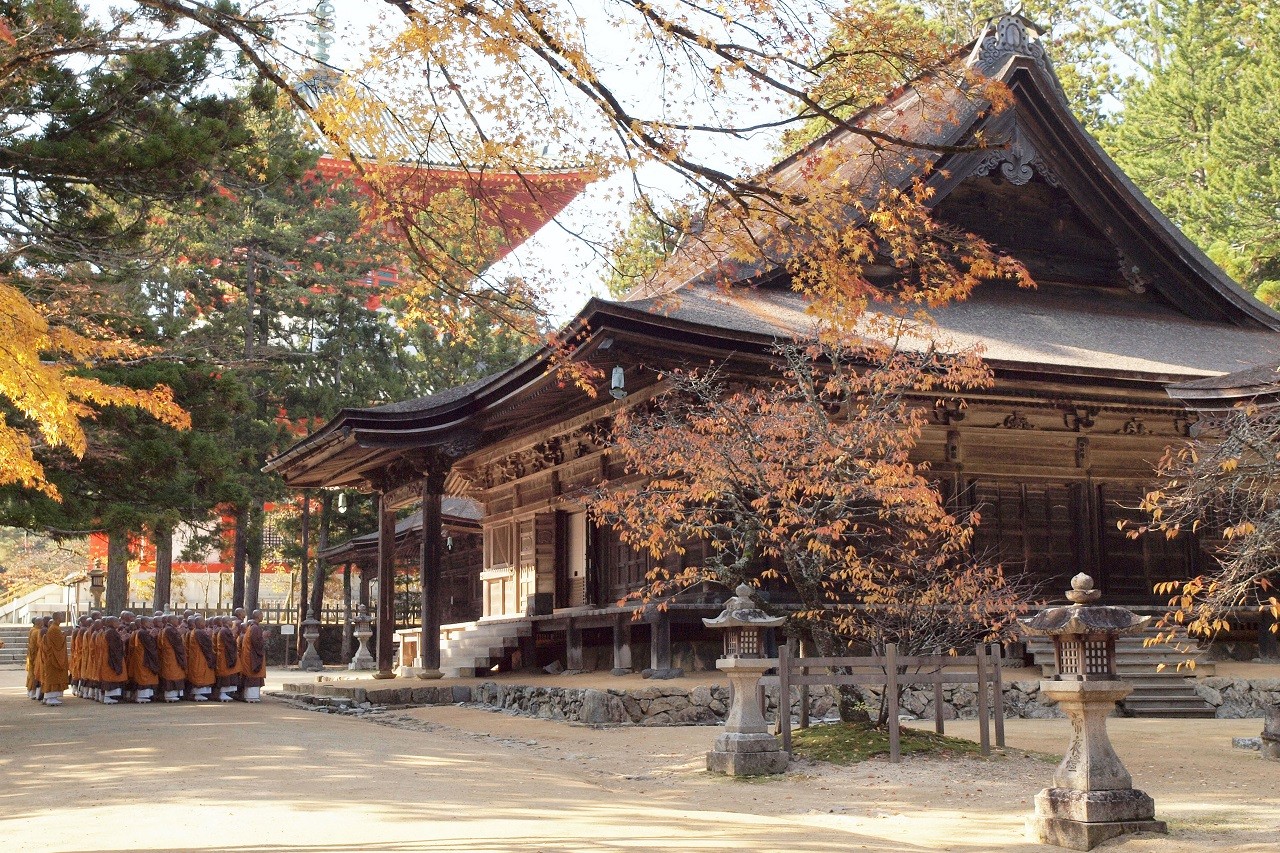
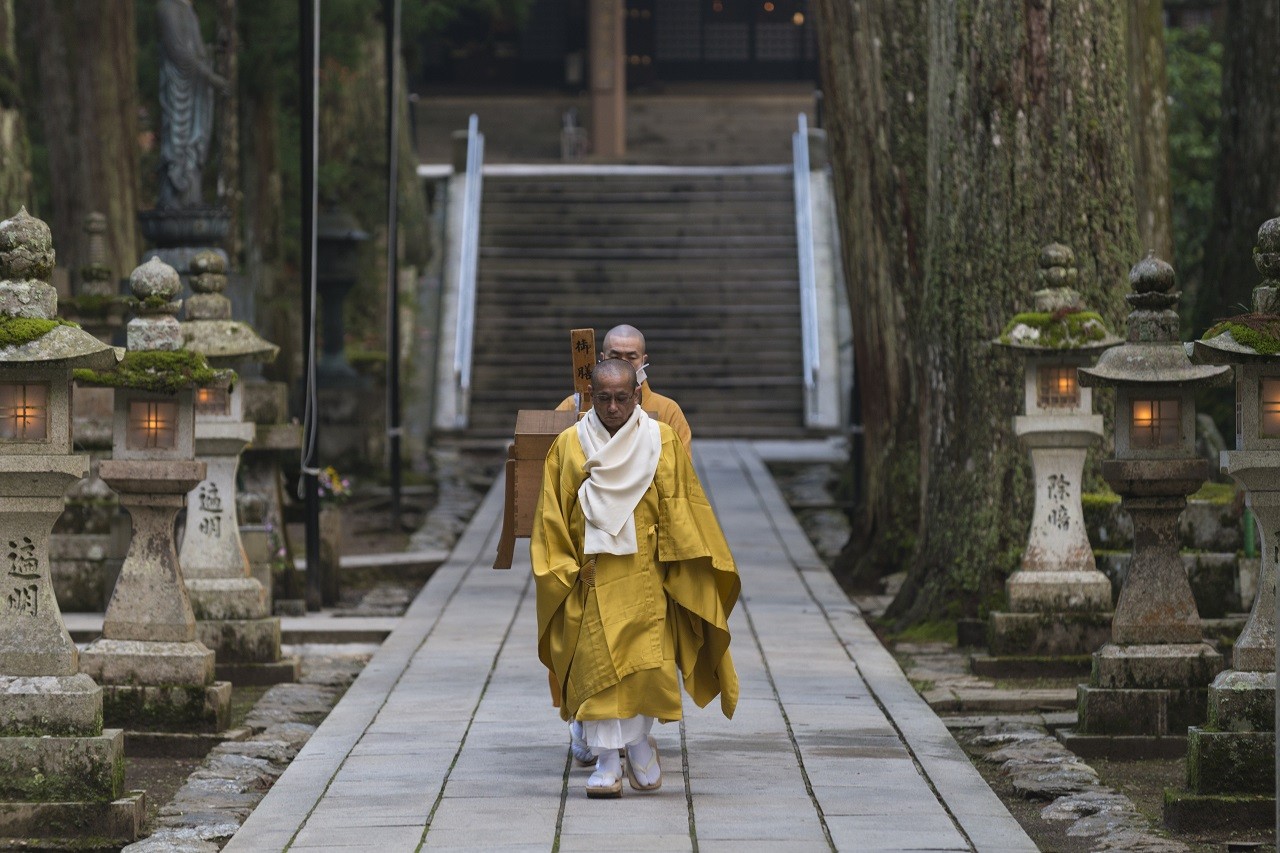
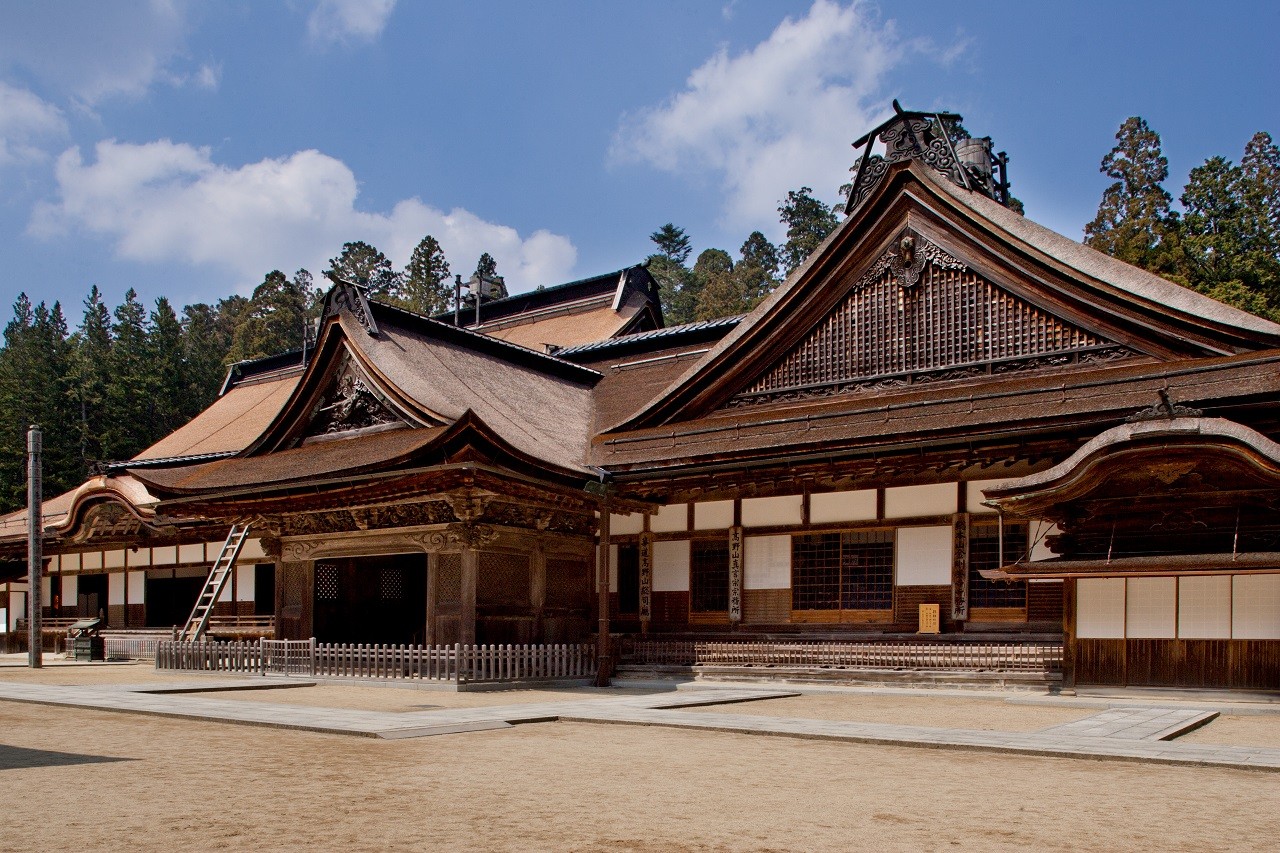
Sites remarquables du mont Kōya
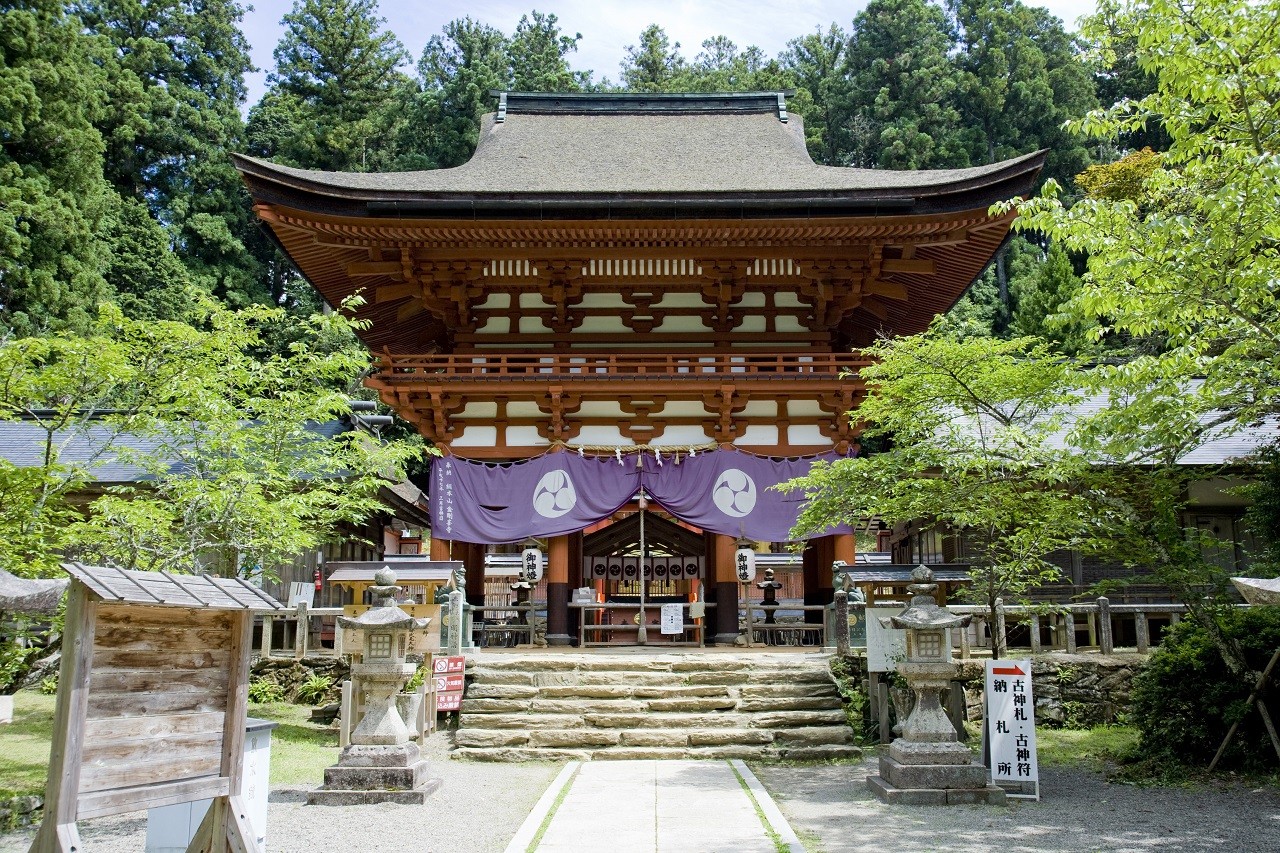
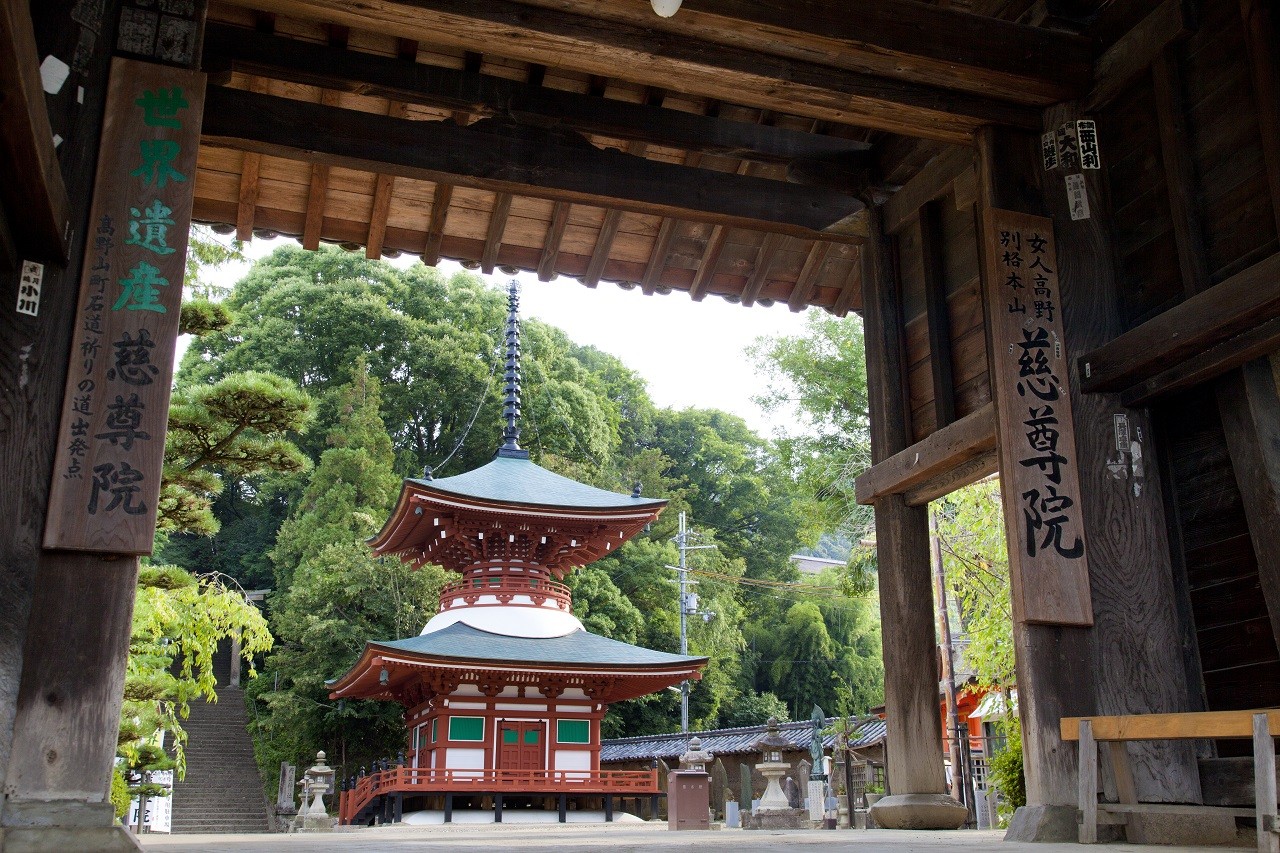
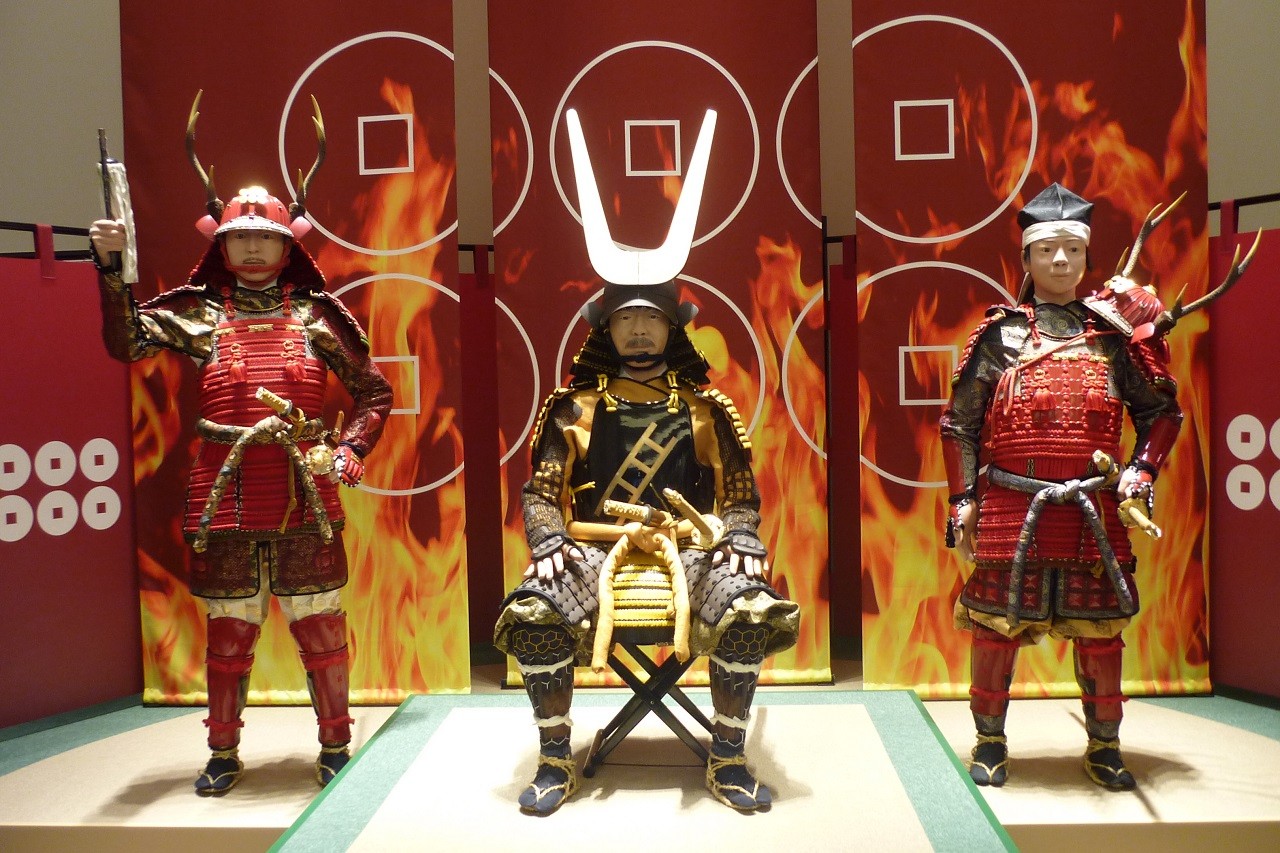
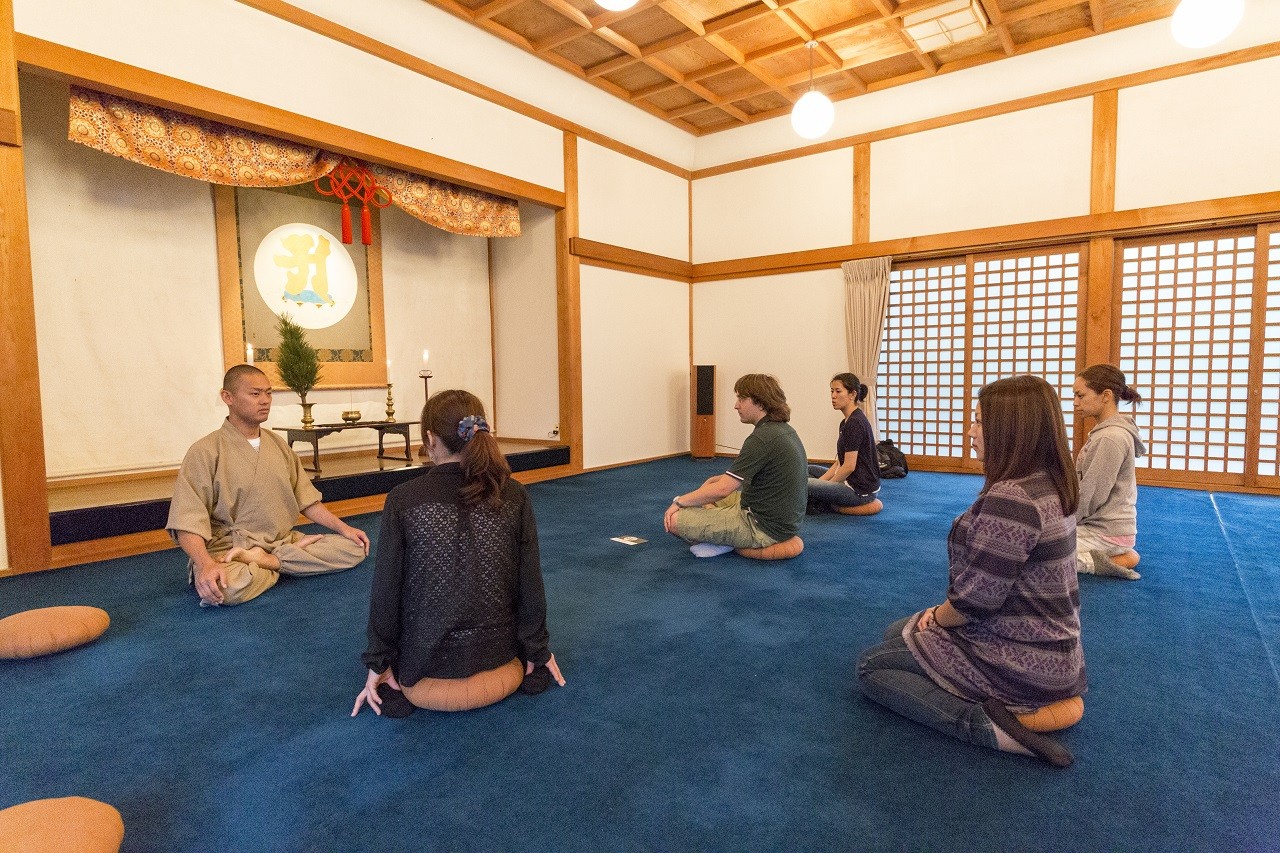
Le secteur de Kumano
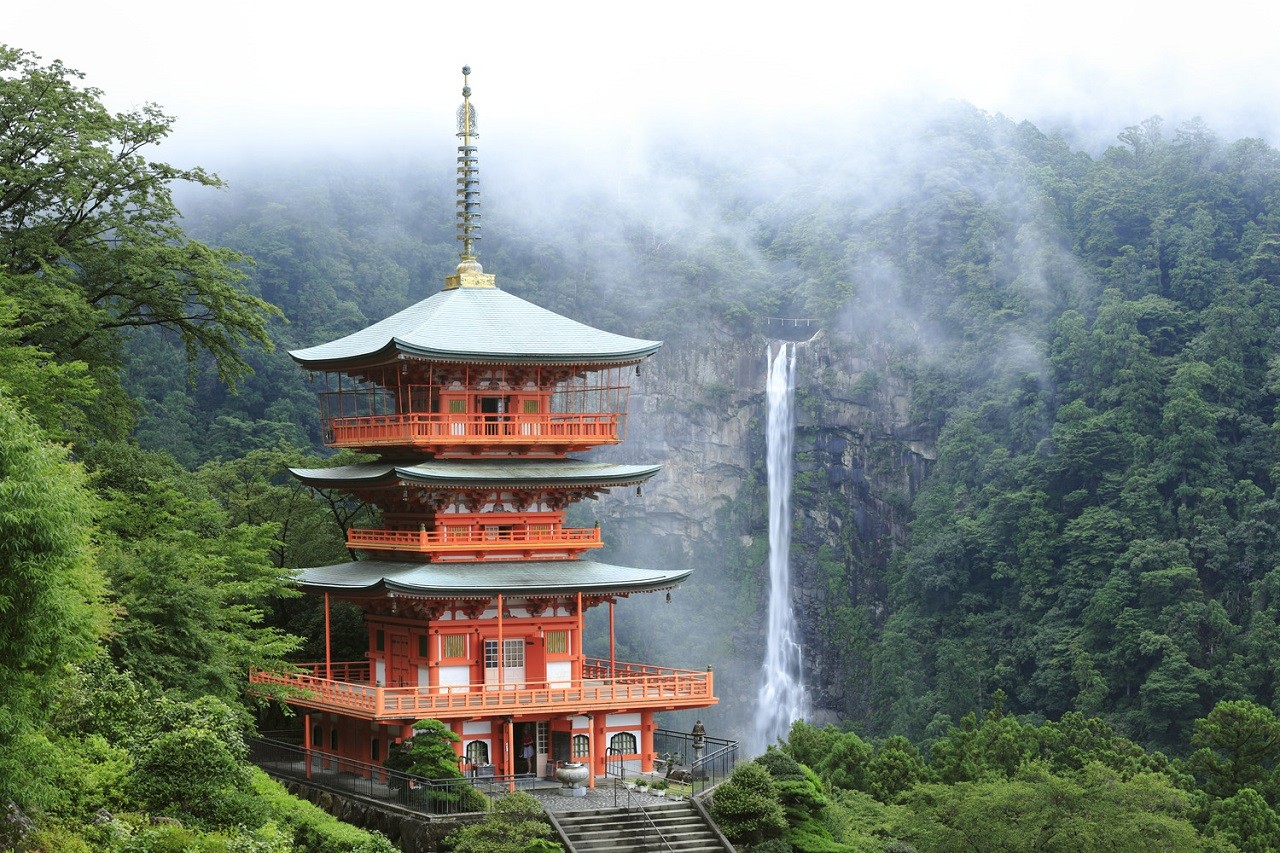
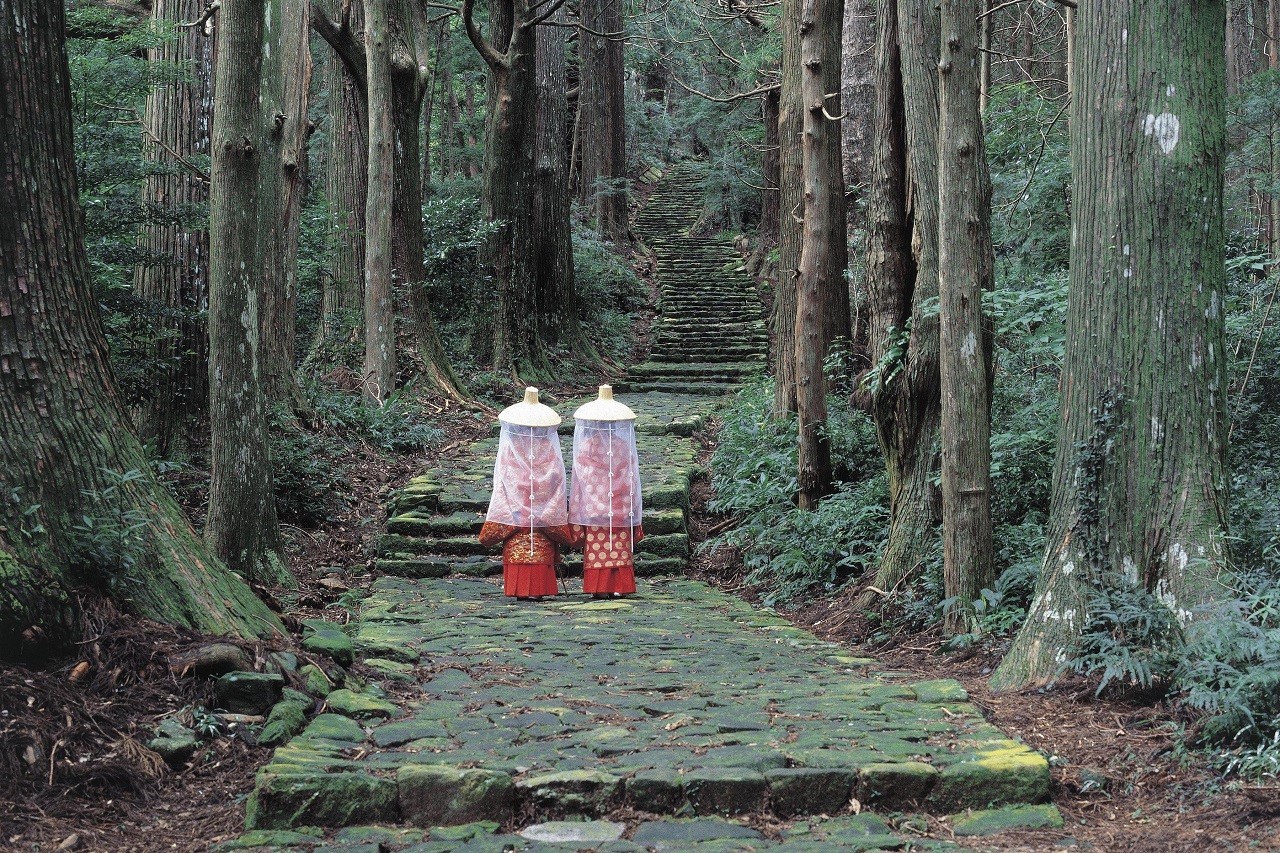
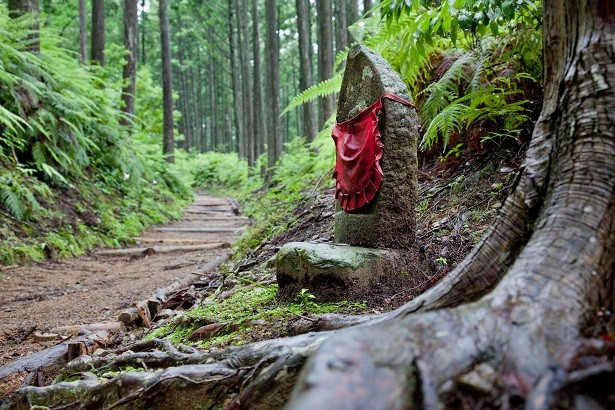 Kumano est vue depuis des temps immémoriaux comme la région des dieux, terre de renaissance.
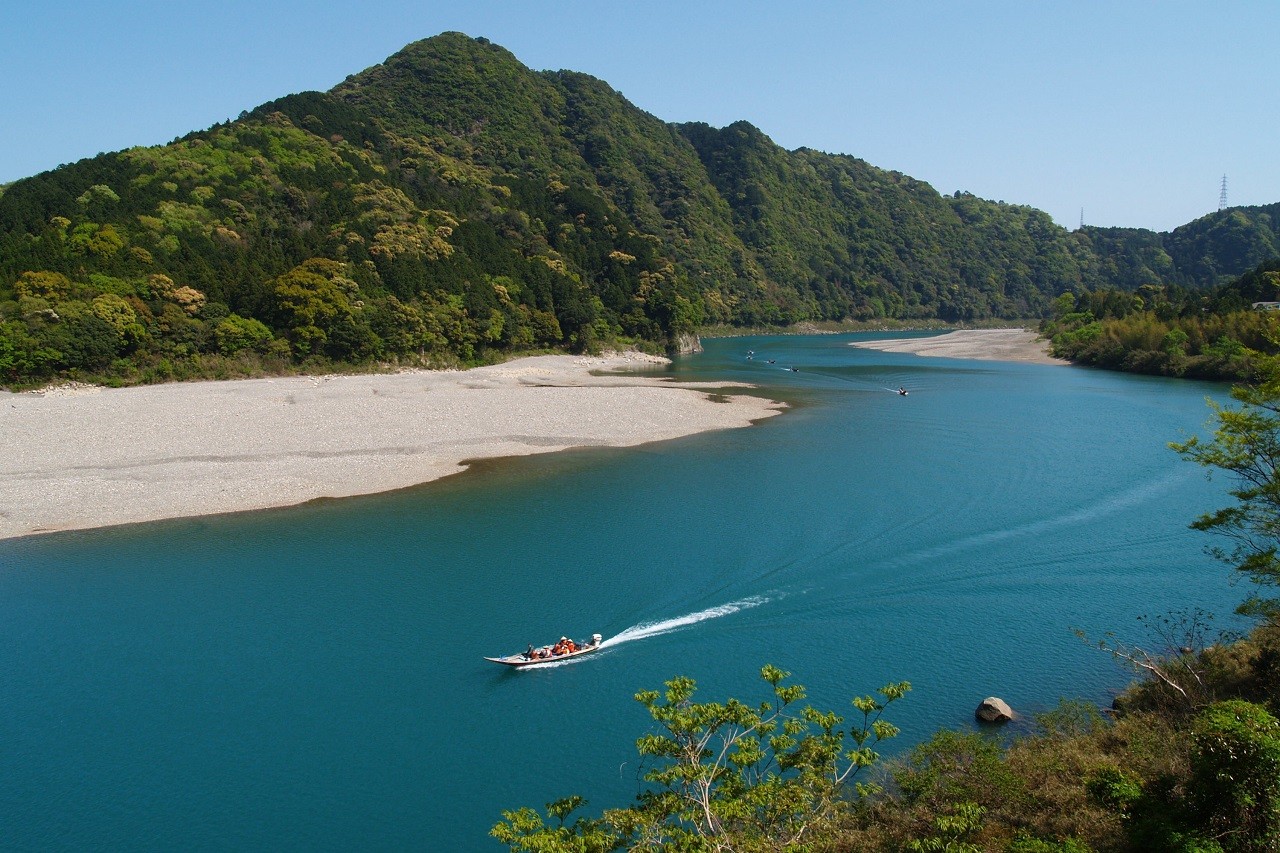
Son paysage est riche en arbres géants, en roches colossales et en cascades, autant d'éléments de la nature qui y sont sanctifiés.
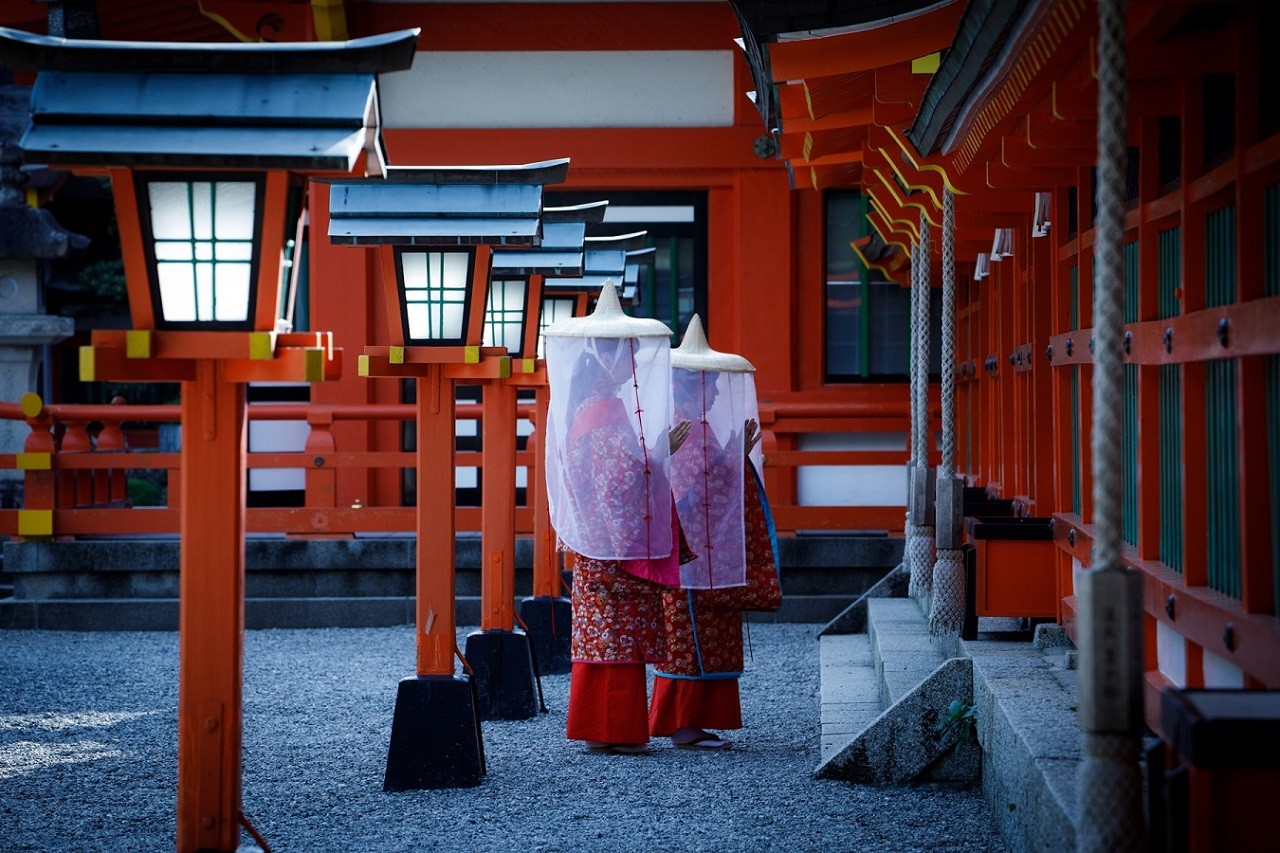
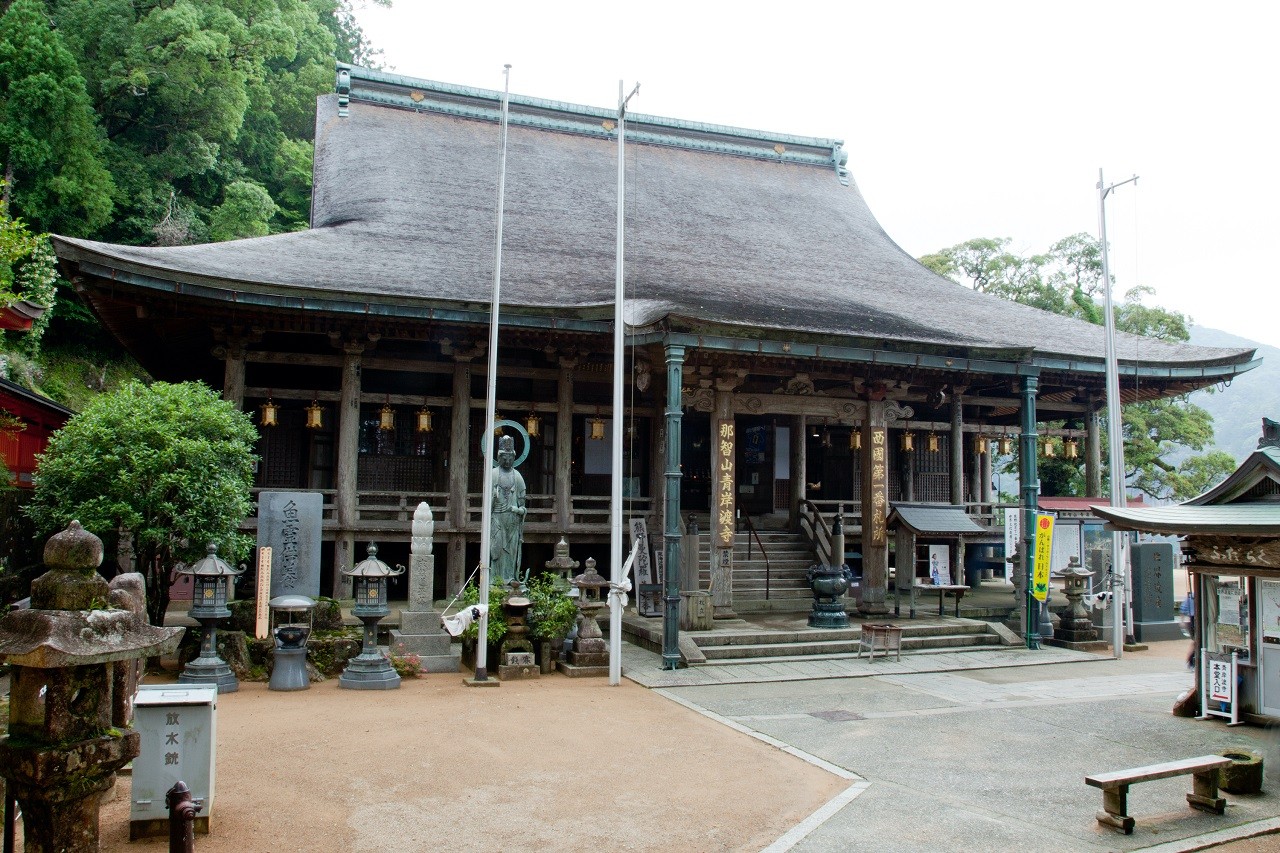
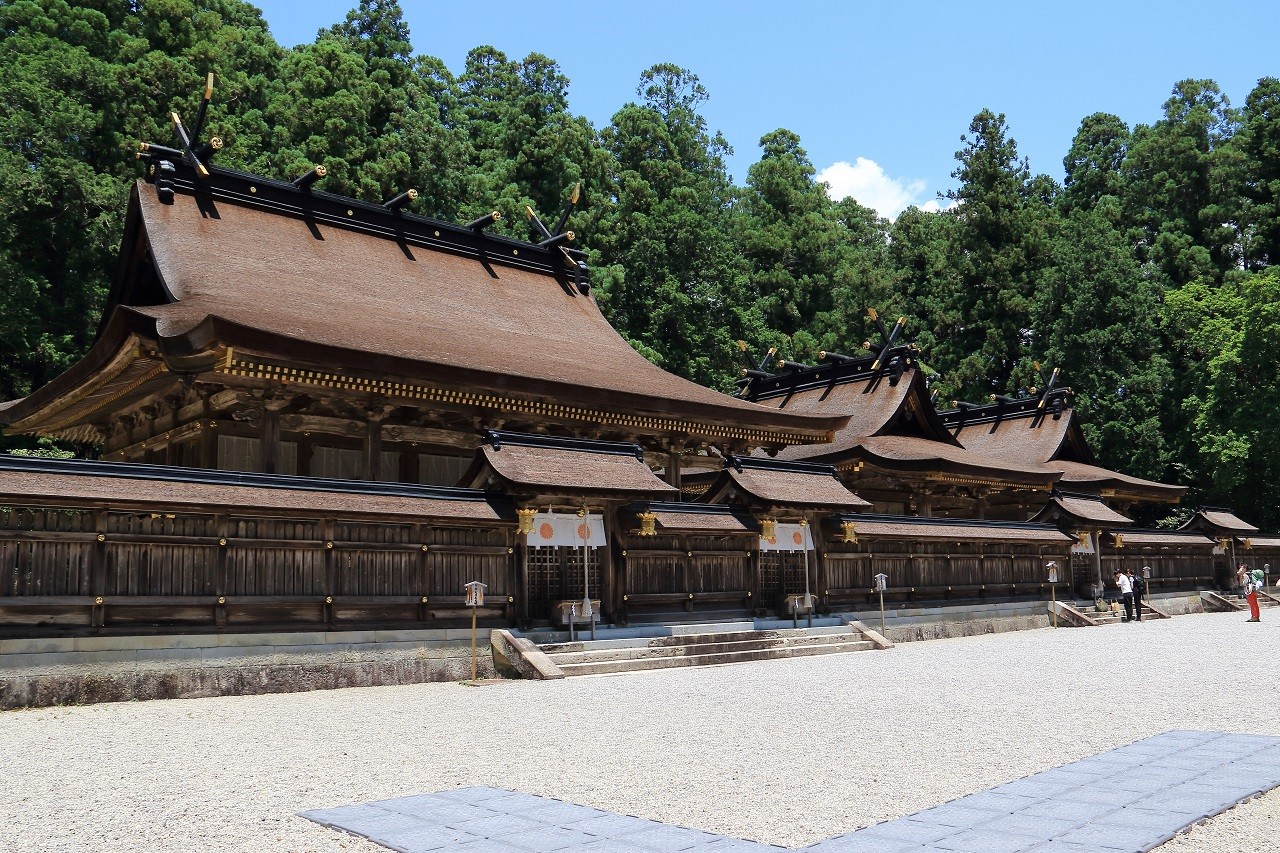
L'ancienne route de Kumano, chemin de pèlerinage vers le Kumano Sanzan (les trois grands sanctuaires locaux), s'est vue foulée par un grand nombres d'âmes, des membres de la famille impériale et des nobles jusqu'aux simples roturiers.
Cette vieille route est divisée en plusieurs sections, pouvant convenir ainsi à différents niveaux de marcheurs et s'adapter au nombre de jours que l'on veut consacrer à l'arpenter.
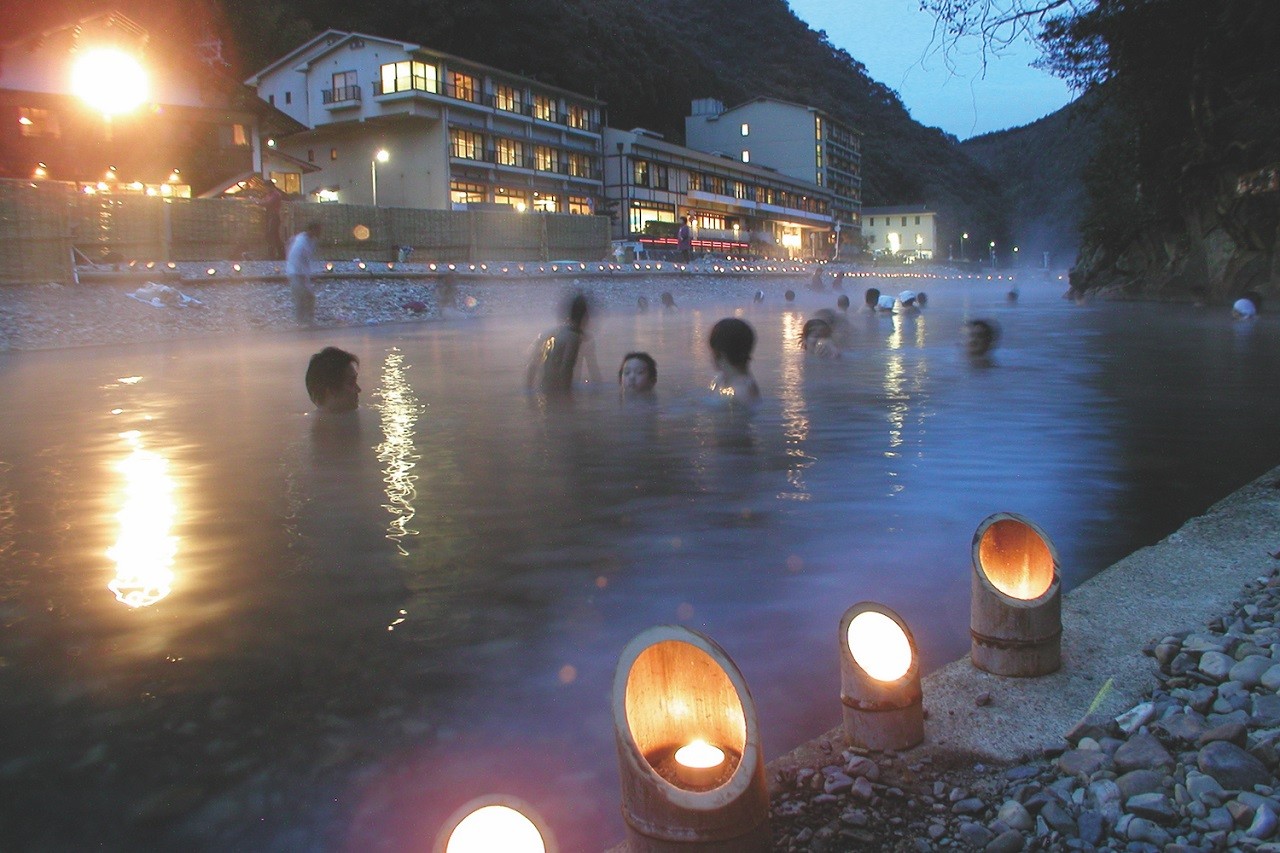
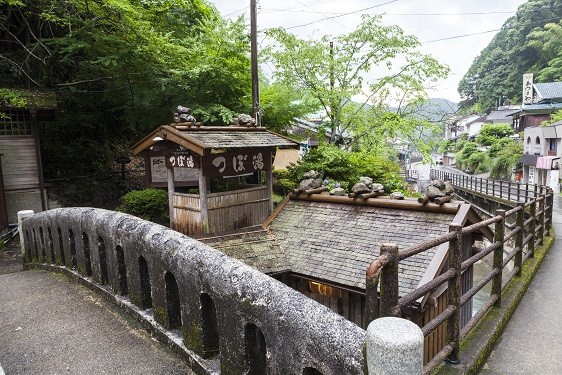
On peut également trouver des sources thermales un peu partout dans la région, afin de se détendre du quotidien ou après un long voyage.
Lieux à visiter à Kumano
Culture culinaire à Wakayama
Connaître la culture culinaire d'un endroit, c'est aussi se plonger dans son histoire et ses traditions.Un climat doux et le relief varié du département permettent une culture de légumes, de fruits et de noix très diversifiée. La présence de la mer donne abondance de produits de la pêche.
Le charme de la cuisine de Wakayama réside dans cette diversité des produits et des saveurs s'accordant aux régions et aux saisons.
Découvrez cette culture culinaire façonnée par ses habitants et sa nature luxuriante.
Pour ne rien rater de la cuisine de Wakayama
 Riche de son climat tempéré et de la grande diversité topographique de son paysage, des fruits de toutes sortes sont cultivés à Wakayama tout au long de l'année.
Son fameux rāmen local, et le reste de sa cuisine à base thon « nama maguro », dont Wakayma est classé en tête des départements japonais pour son volume de pêche, font partie de sa profusion de spécialités culinaires uniques et empreintes des traditions régionales.
Le département jouit également d'une eau pure, véritable cadeau de la nature, utilisée pour le brassage de nihonshū (vin de riz) et de bières locales. On y trouve aussi des prunes d'une qualité exceptionnelle, les « nankō ume », à la base d'une liqueur authentique.
Riche de son climat tempéré et de la grande diversité topographique de son paysage, des fruits de toutes sortes sont cultivés à Wakayama tout au long de l'année.
Son fameux rāmen local, et le reste de sa cuisine à base thon « nama maguro », dont Wakayma est classé en tête des départements japonais pour son volume de pêche, font partie de sa profusion de spécialités culinaires uniques et empreintes des traditions régionales.
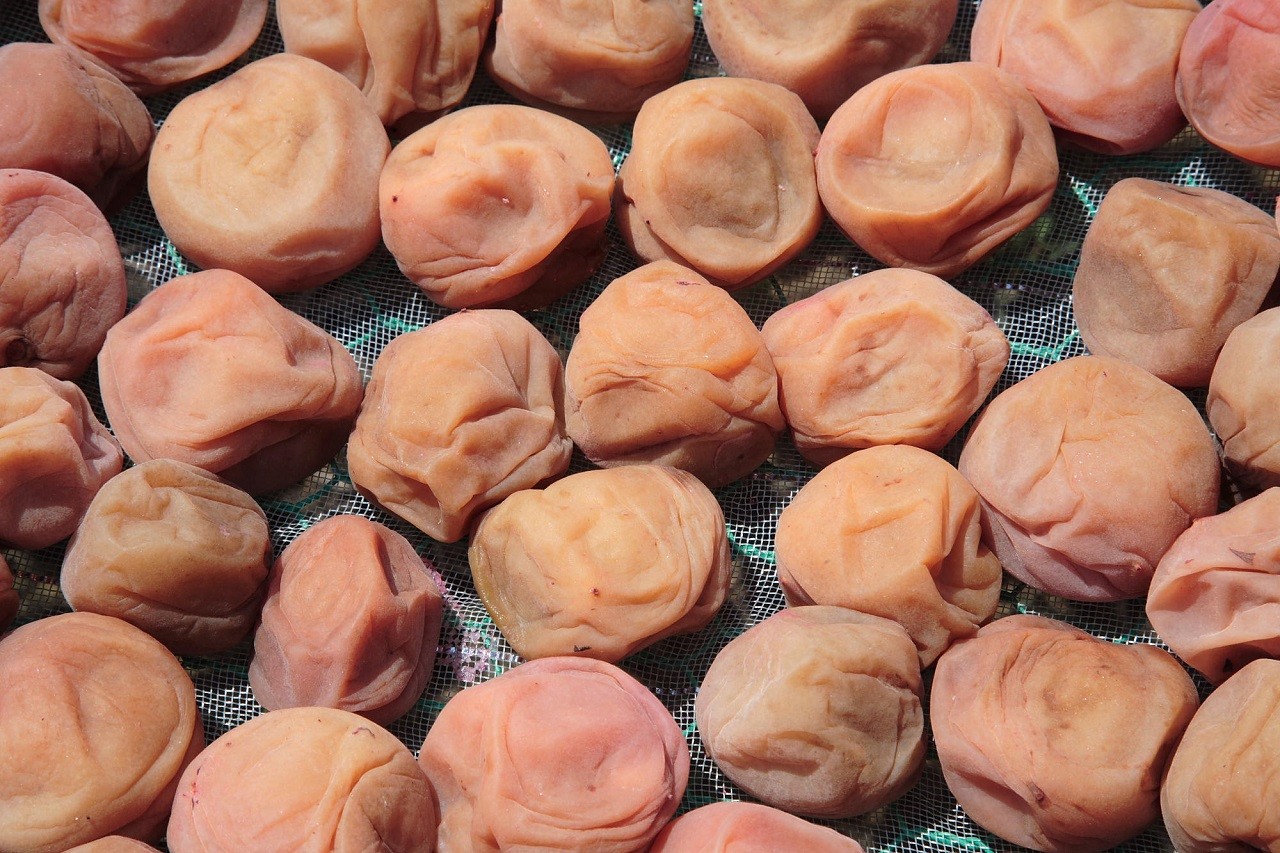
Le département jouit également d'une eau pure, véritable cadeau de la nature, utilisée pour le brassage de nihonshū (vin de riz) et de bières locales. On y trouve aussi des prunes d'une qualité exceptionnelle, les « nankō ume », à la base d'une liqueur authentique.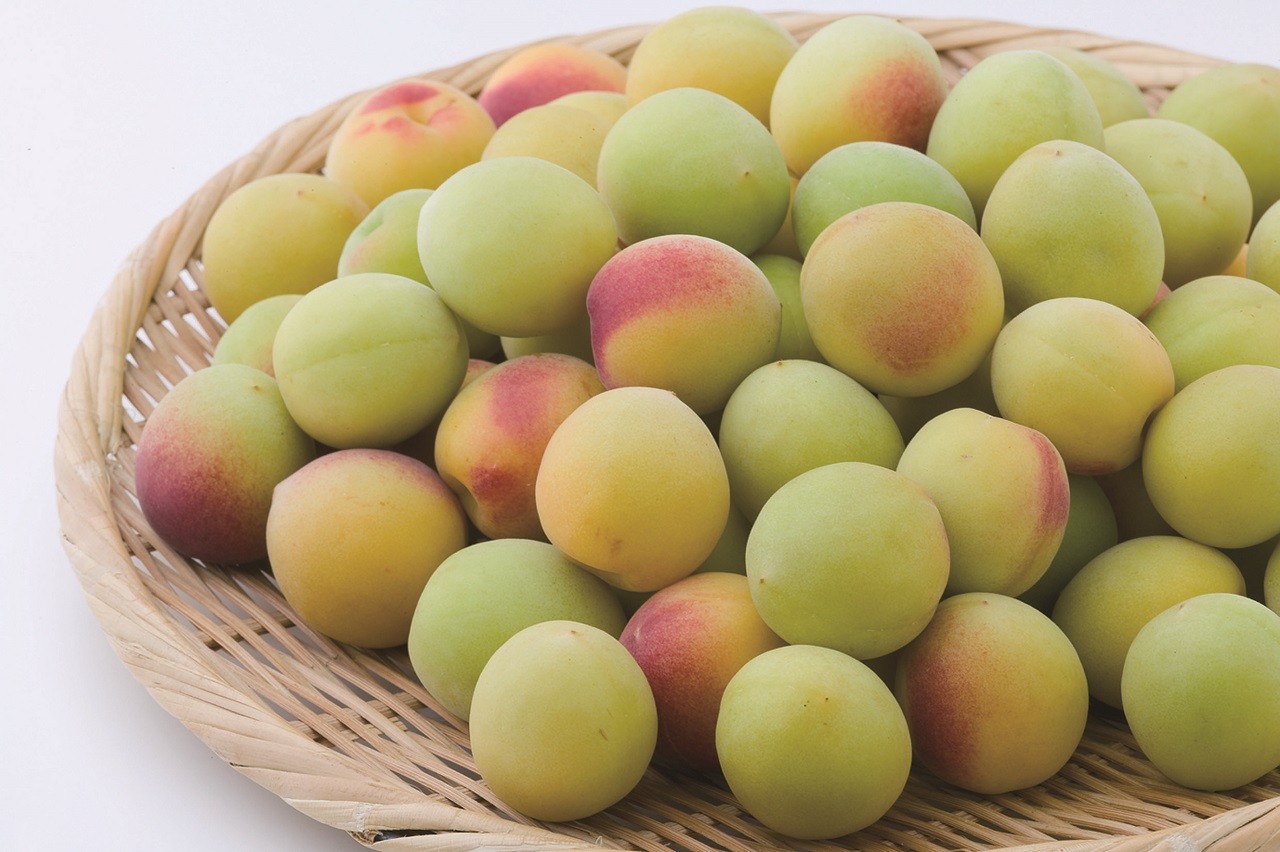 La prune de Kishū, la plus produite du pays
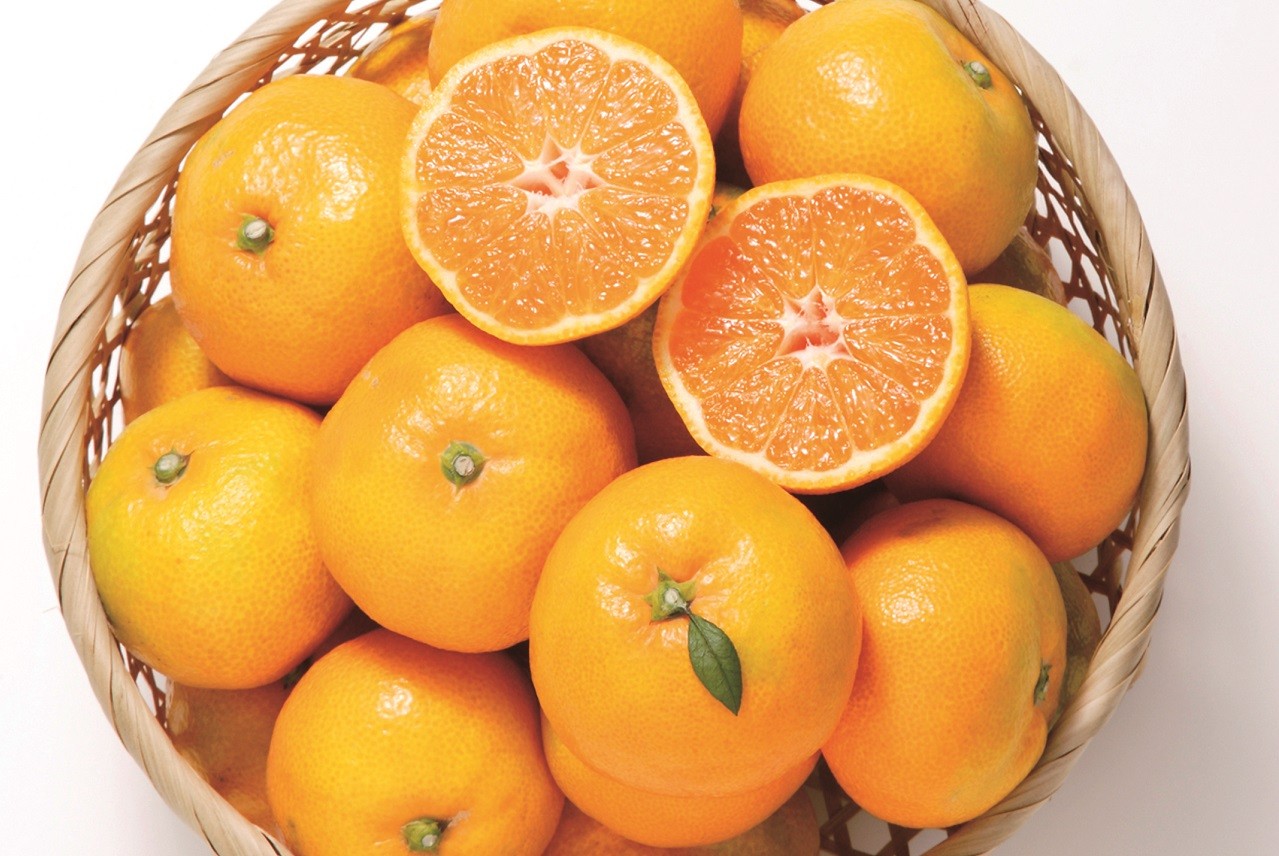 La plus grande production de mandarines du Japon
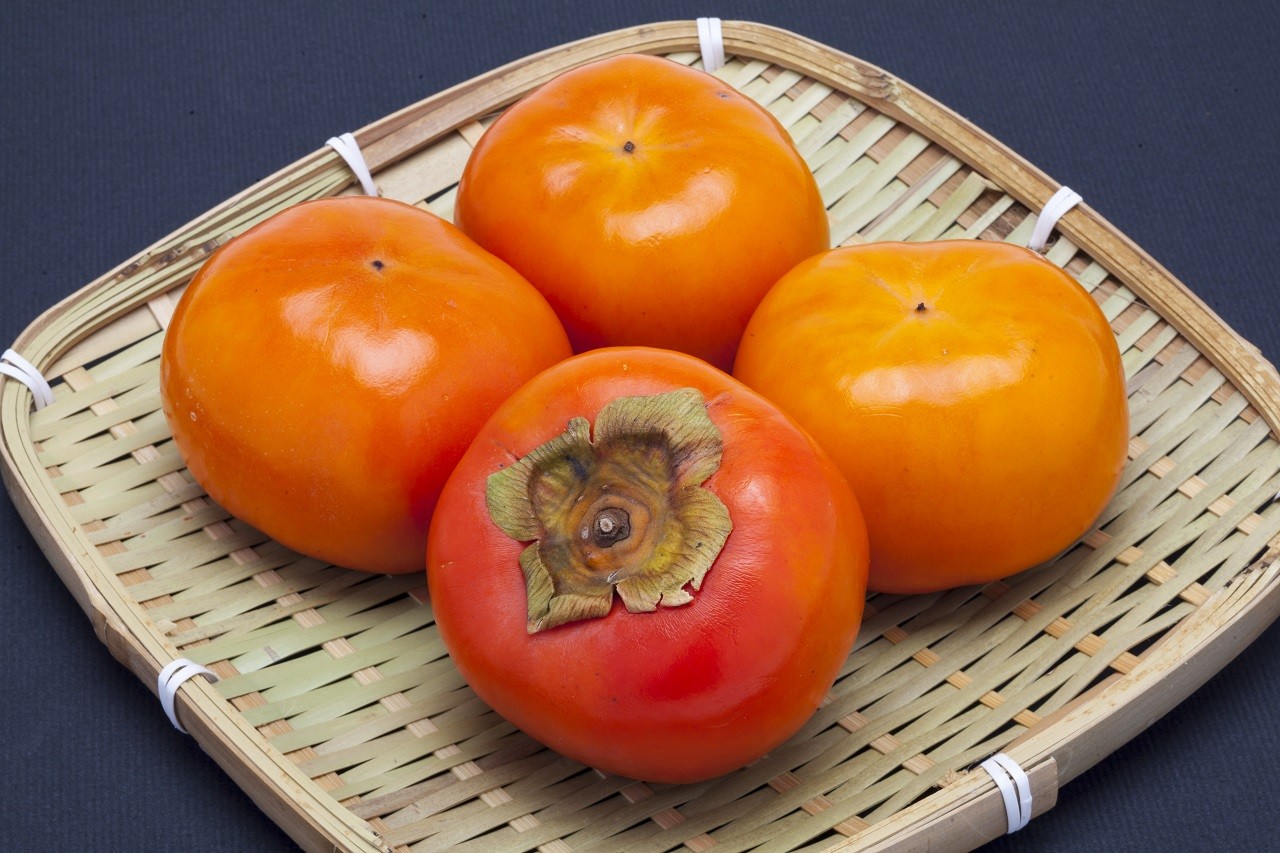 La région de Ito, plus grande production de kaki du Japon
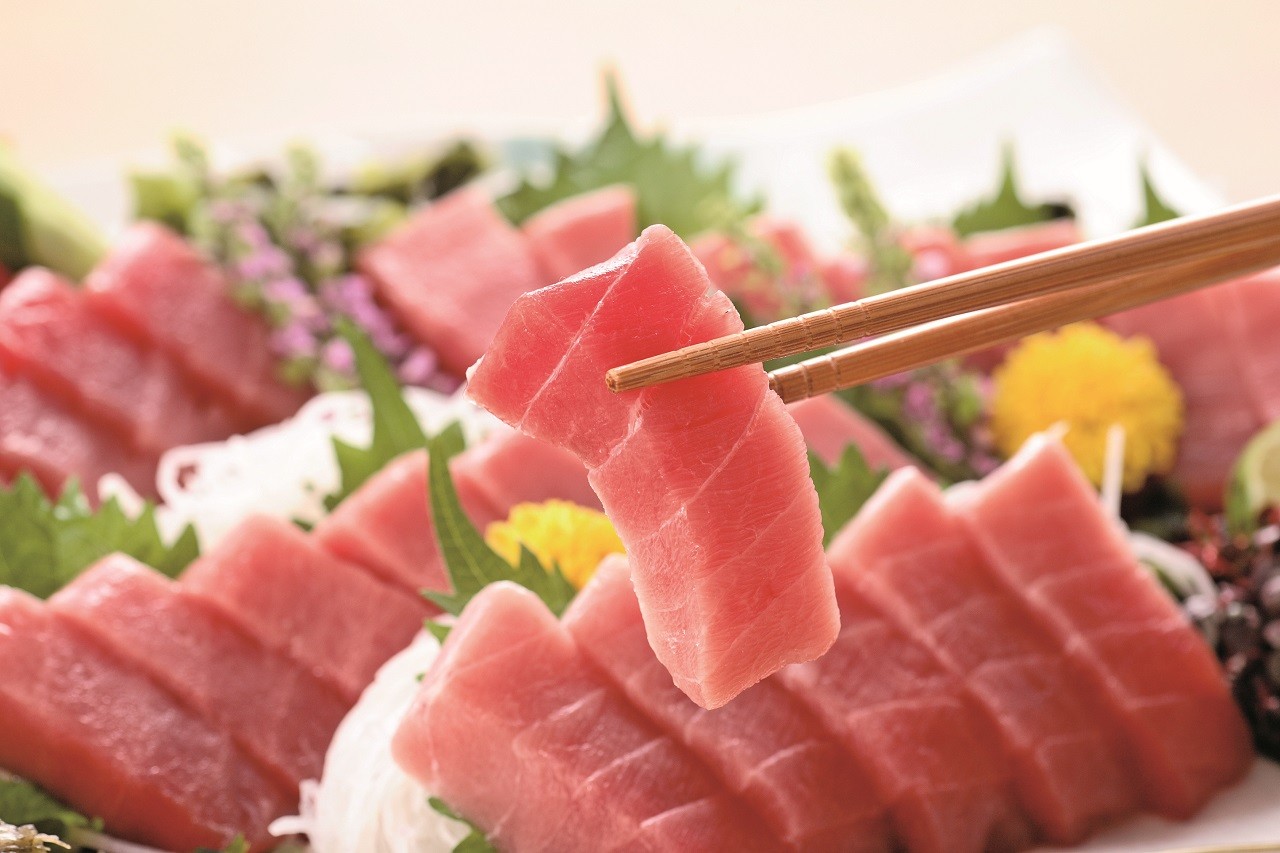 Le thon frais « nama maguro » pêché dans le courant kuroshio
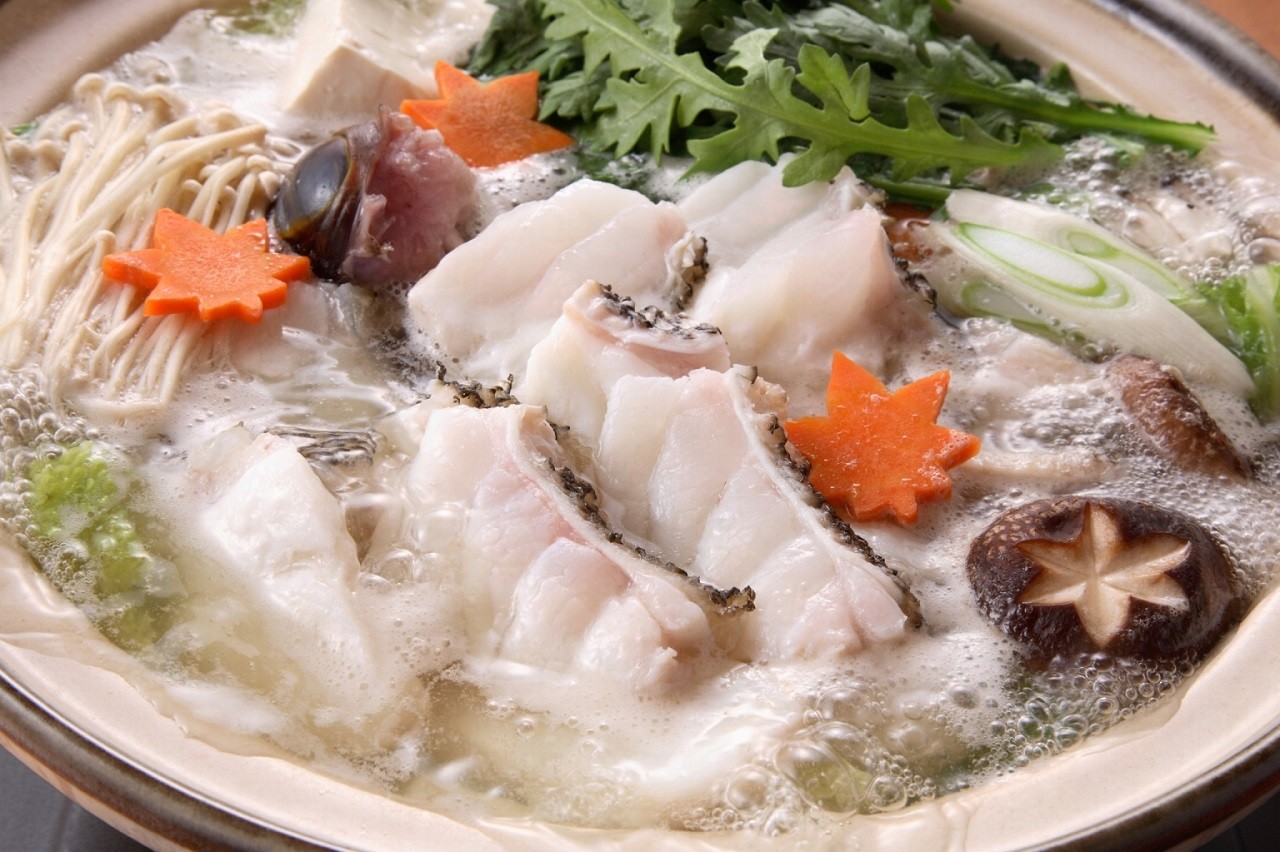 La région du nabe de mérou longues dents, connu comme le « Roi des poissons »
 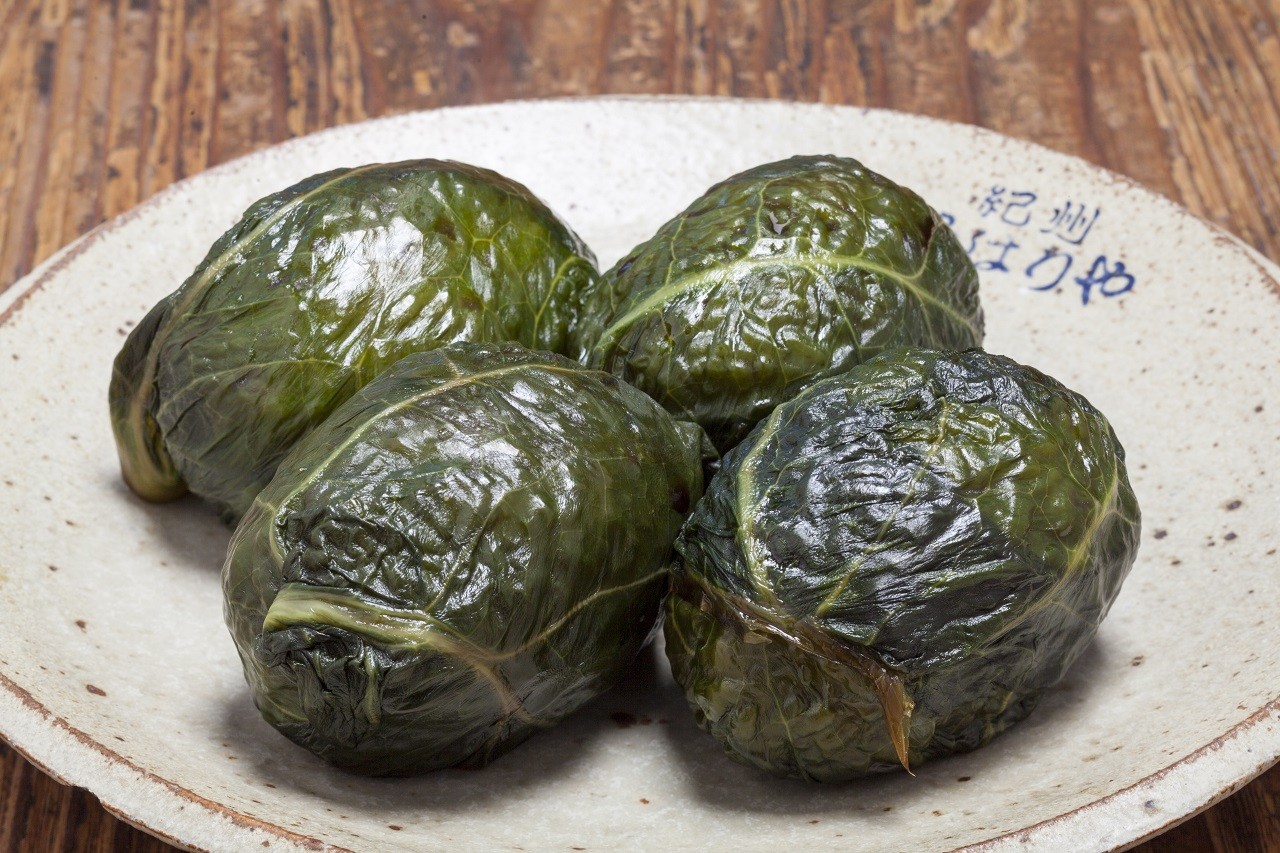 Le meharizushi, sushi authentique de Wakayama, connu au-delà de ses frontières
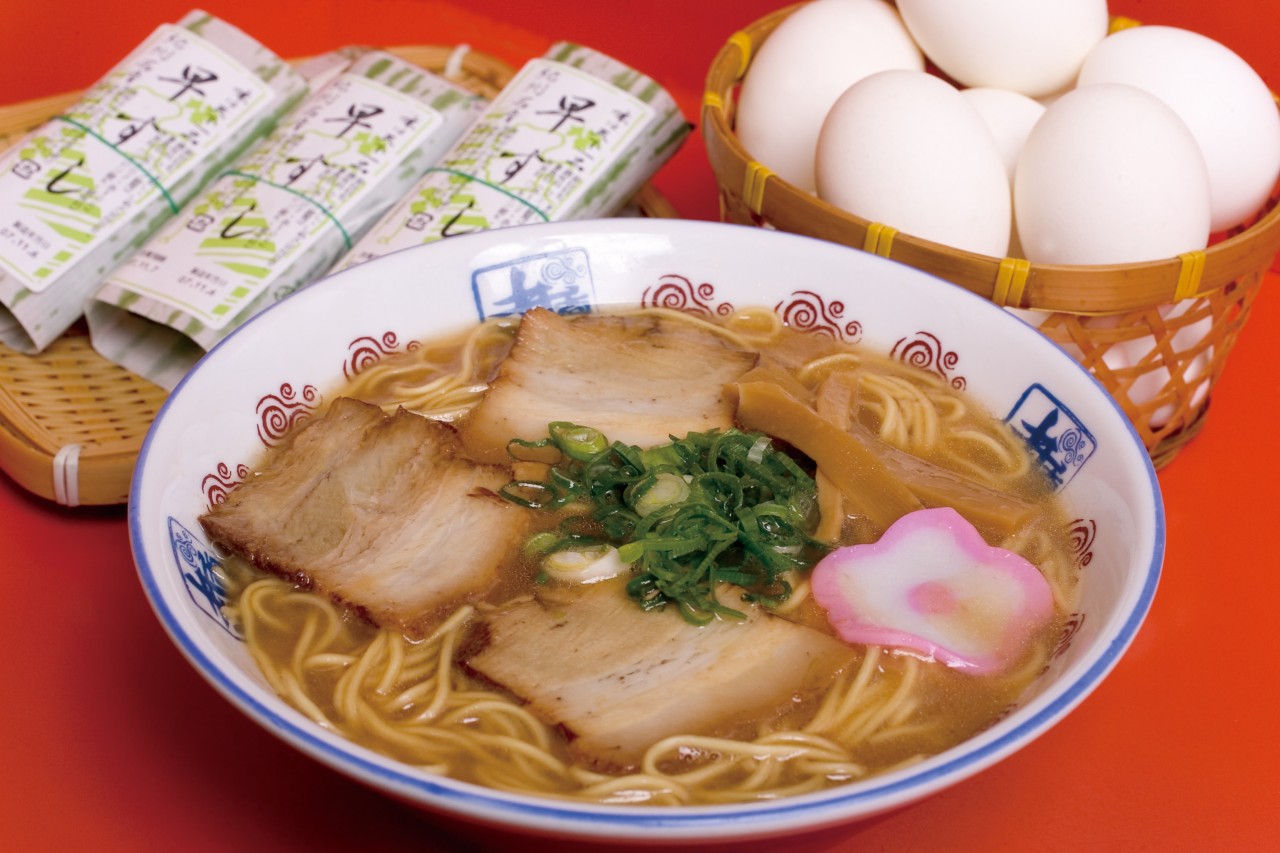 Les rāmen de Wakayama, fameux dans tout le pays
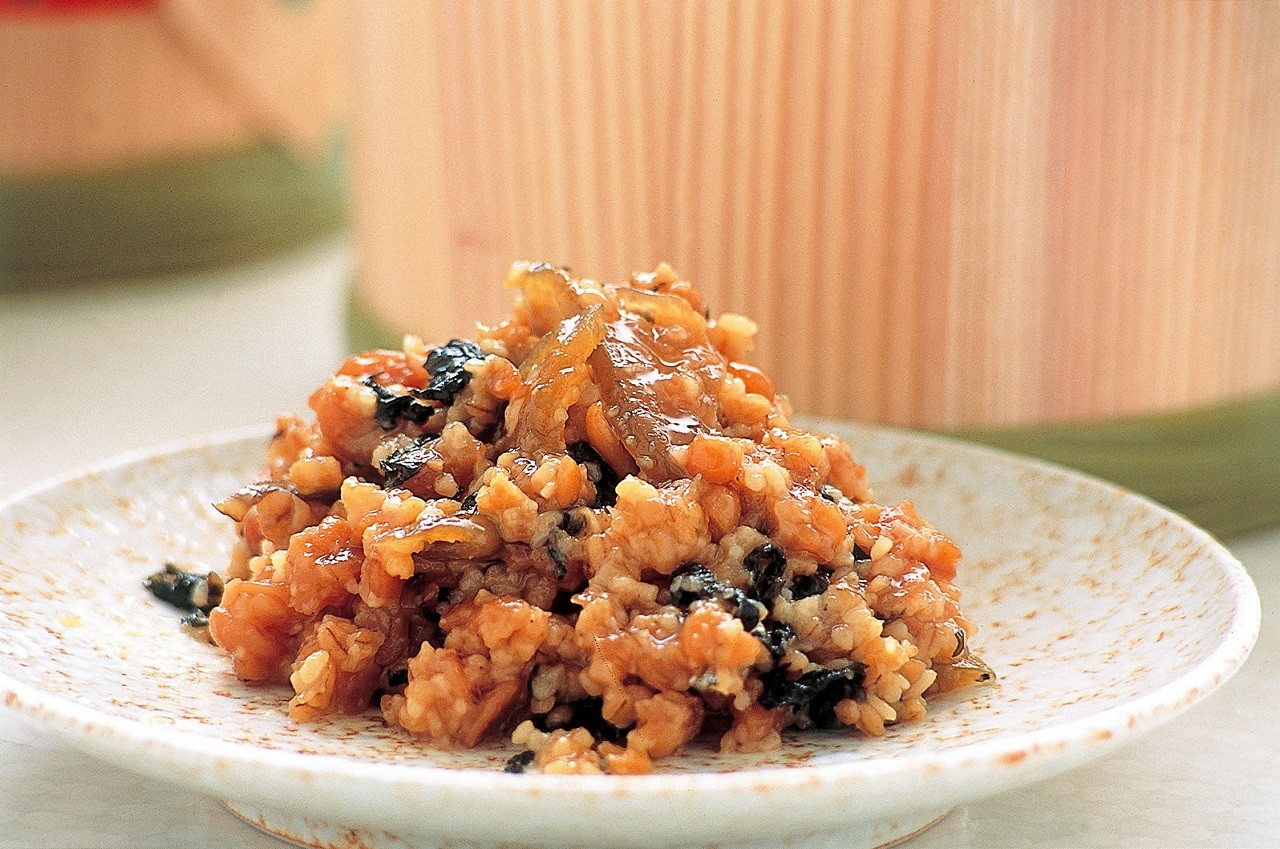 « Kishū Kinzanji miso », le miso du temple Kinzanji, à l'origine de la sauce soja
(9) Greensoft
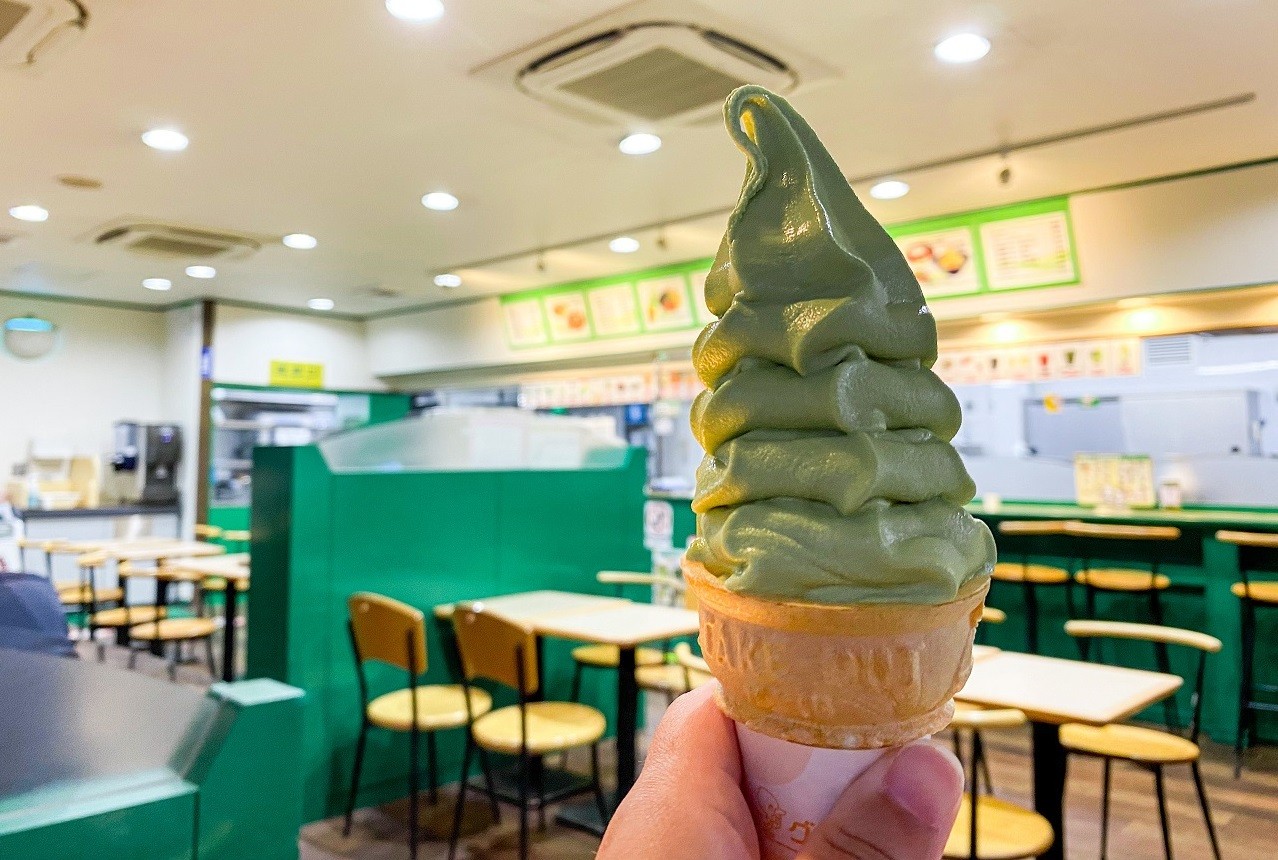 Greensoft, la glace à l'italienne au matcha fabriquée par Gyokurinen, spécialiste ancestral du thé
Greensoft, la glace à l'italienne au matcha fabriquée par Gyokurinen, spécialiste ancestral du théVivre la culture culinaire de Wakayama
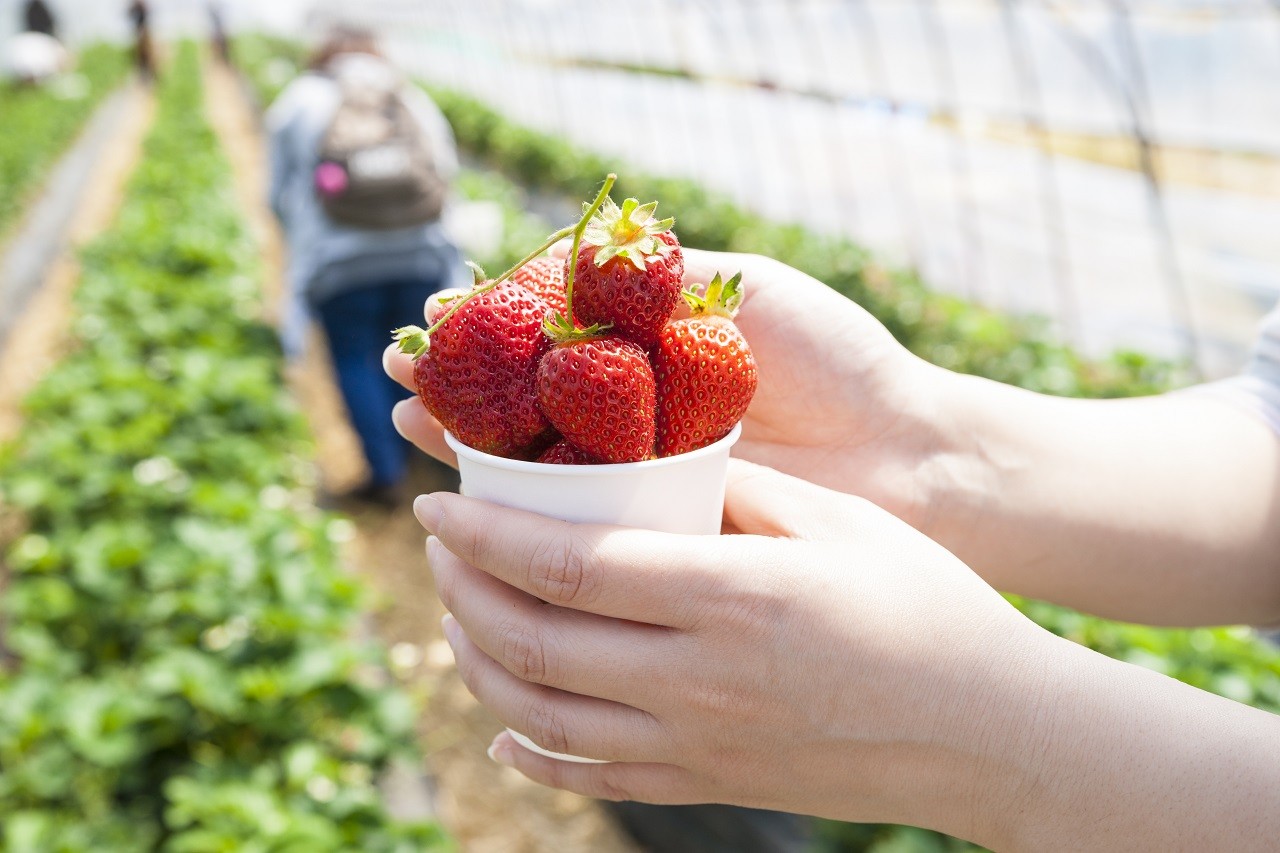 À Wakayama, la cuisine ne fait pas que se goûter. Il y a aussi un large choix d'expériences à vivre au menu.
C'est l'occasion idéale de se construire des souvenirs au cours du voyage grâce aux agriculteurs et artisans locaux, héritiers de cette culture.
(1) Cueillette de fruits
Vivre le savoir-faire et la passion des producteurs à travers la récolte de fruits
Vivre le savoir-faire et la passion des producteurs à travers la récolte de fruits
(2) Délices autrefois servis aux nobles du clan Kishū Tokugawa
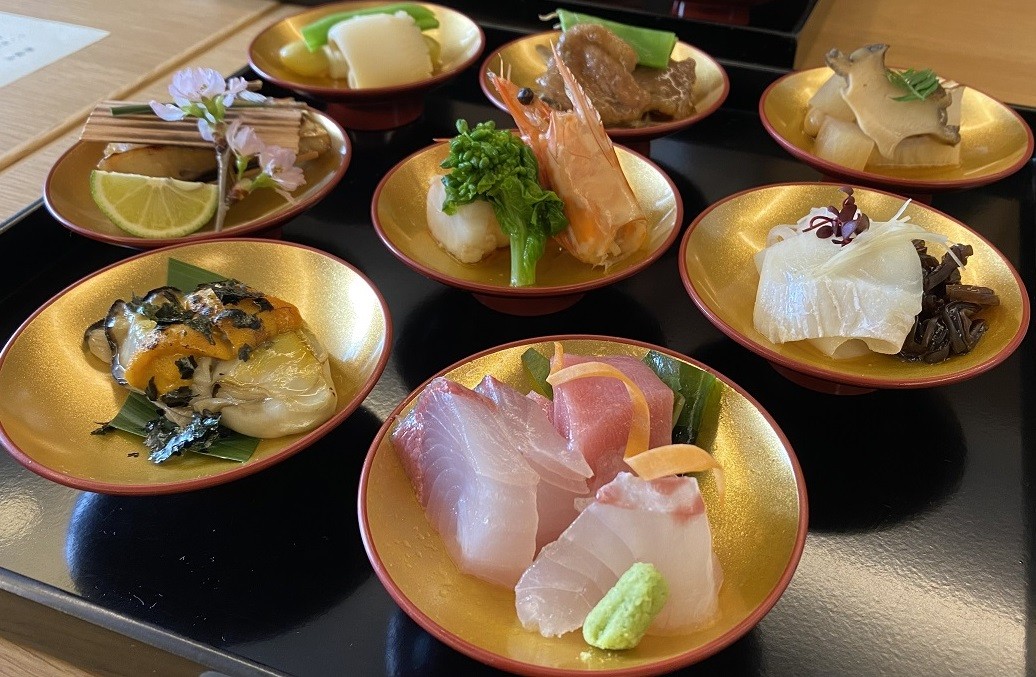 Goûter les délices autrefois servis aux nobles du clan Kishū Tokugawa
Goûter les délices autrefois servis aux nobles du clan Kishū Tokugawa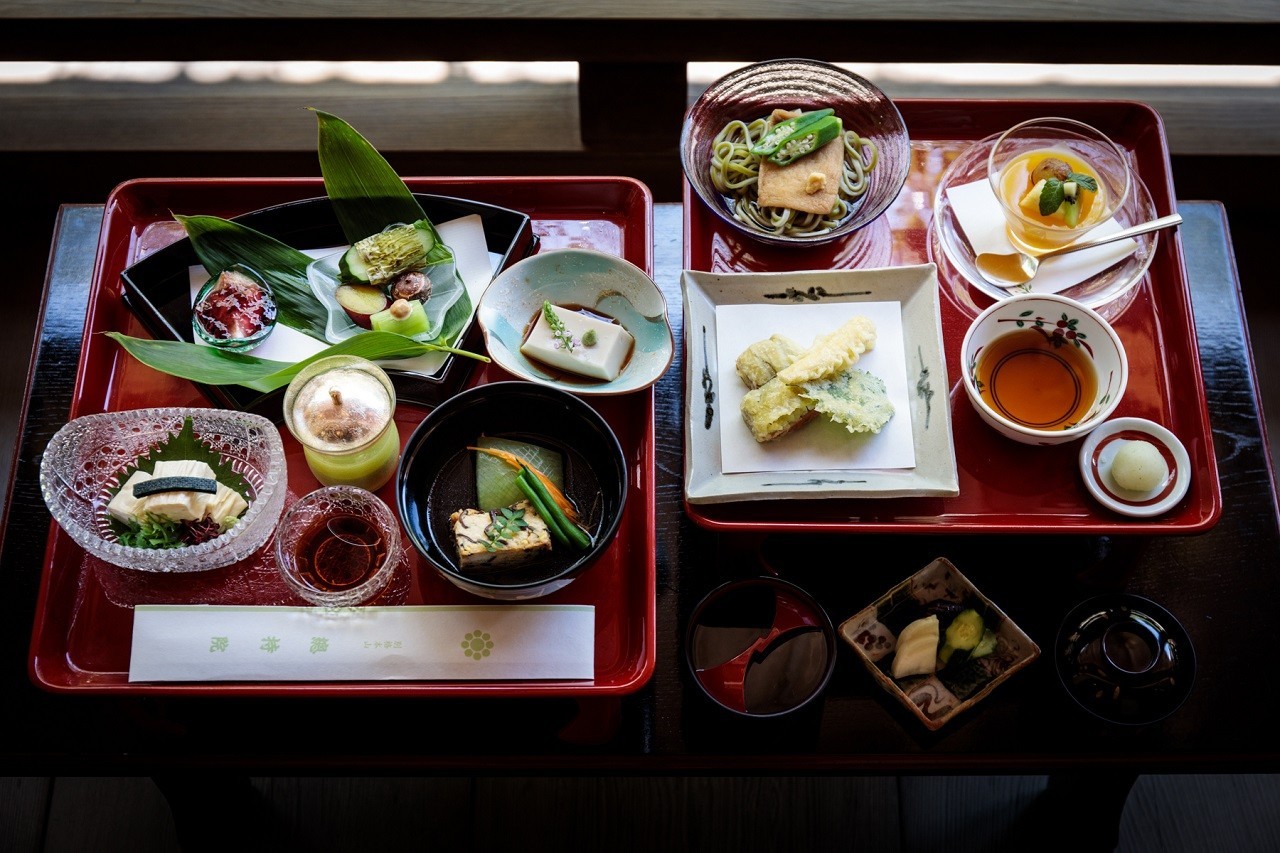 La cuisine végétarienne du mont Kōya, qu'on ne trouve nulle part ailleurs
(4) Faire du sirop et de la liqueur
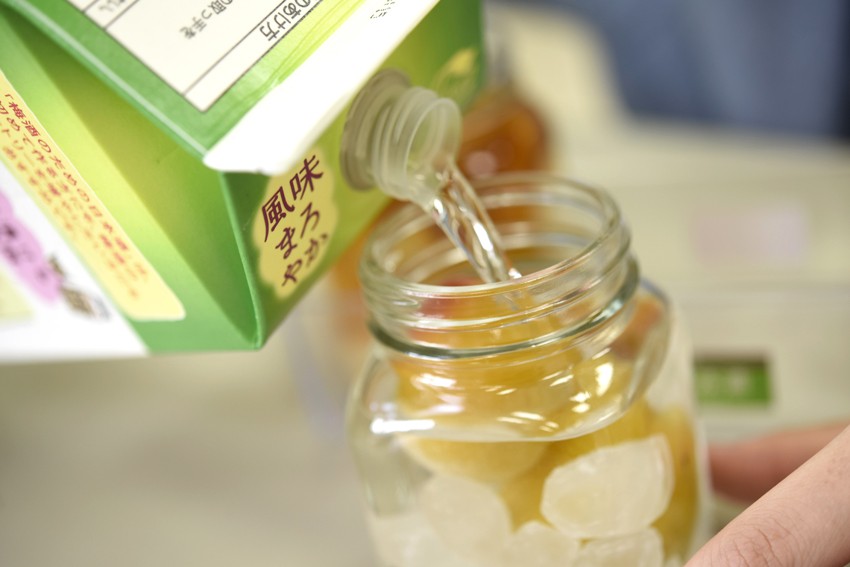 S'essayer à la macération de l'exceptionnelle prune Nankō ume : faire du sirop et de la liqueur
S'essayer à la macération de l'exceptionnelle prune Nankō ume : faire du sirop et de la liqueur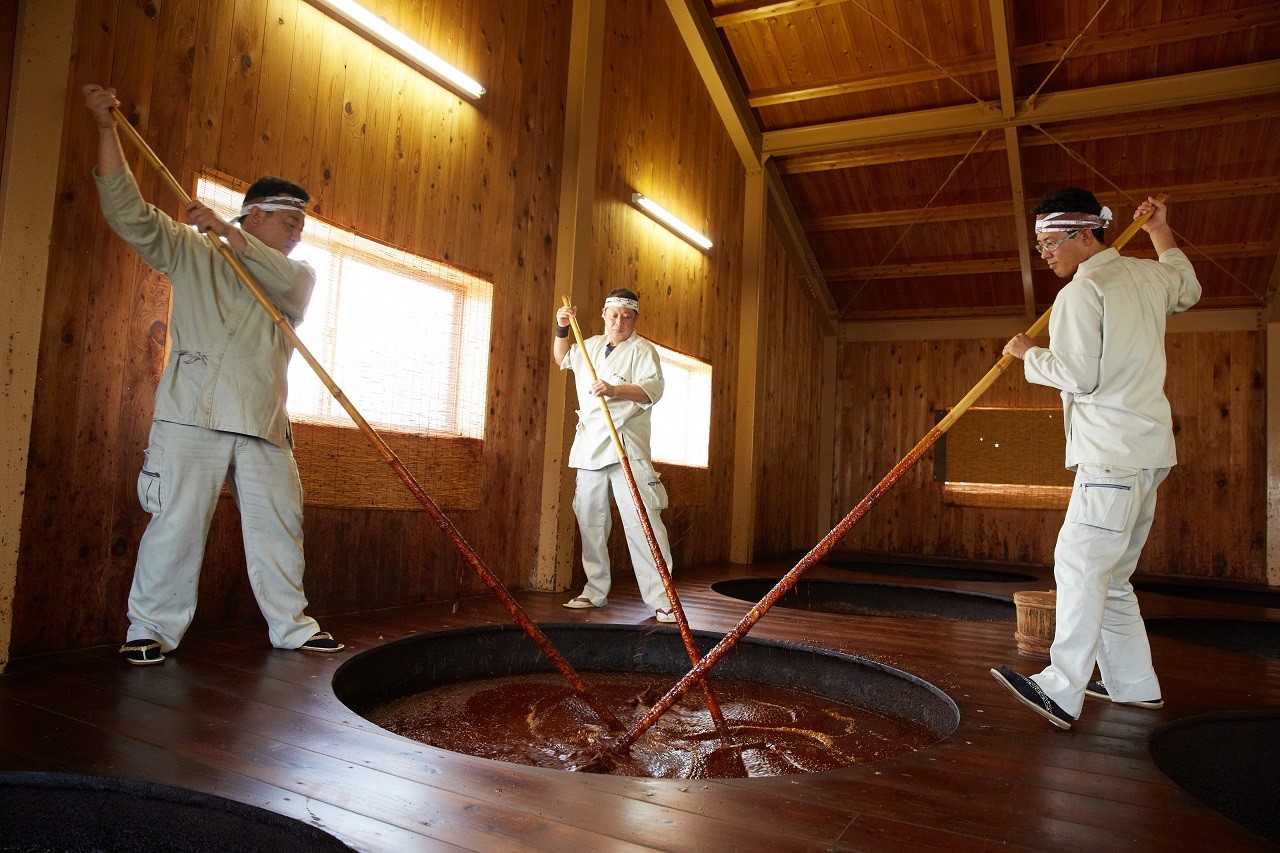 La seule usine au monde à fabriquer la sauce soja là où elle a été inventée
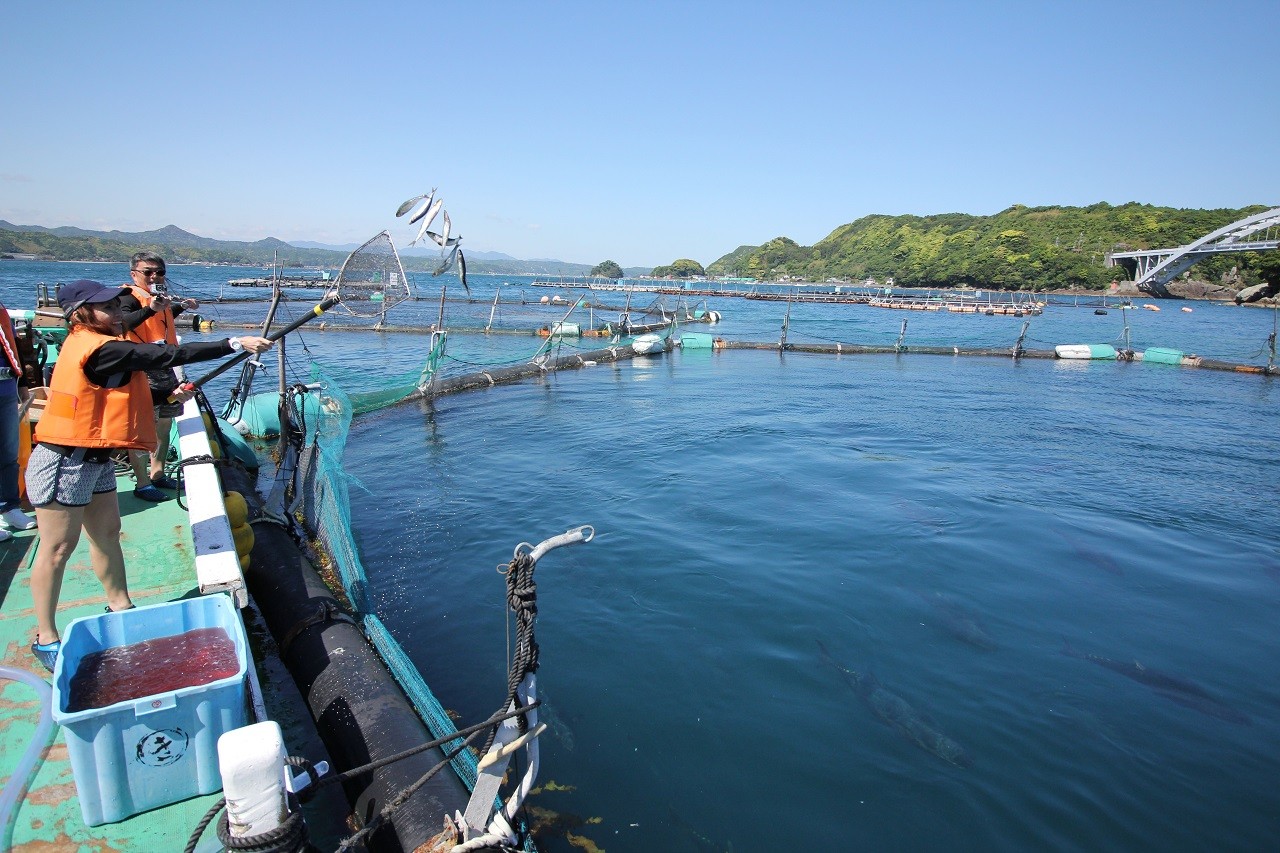 Vivre de près le nourrissage des thons en élevage